
Reviewed · DINING EXPERIENCES IN BEIJING
Old Beijing Dinner Tour
Beijing eats best after dark. This three-hour small-group walk leads you through old hutong lanes near Beixinqiao, stopping at family-run restaurants and food stalls that are easy to miss from the main streets. I like the mix of northern Chinese dishes and local drinks, and I especially like that the route finishes with a rice wine tasting rather than simply ending after dinner.
The guides add real value. Garth, Kelly, Eric, Julia, Shan, and other guides have been praised for explaining the origins of each dish, sharing stories about Beijing life, and helping with directions at the end. My main caution is the quantity of food: portions can be very generous, so arrive hungry but do not fill up at the first stop. The walk also ends at a different location from where it starts, so you need to plan your return trip.
In This Review
- Key points to know before booking
- Why this dinner tour works so well
- Meeting at Beixinqiao Station at 7 p.m.
- Walking through the old hutong lanes
- The first plates: hotpot and northern flavors
- Street food and the jianbing favorite
- Family-run restaurants with stories attached
- Beer, soft drinks, and a very full table
- Finishing with Nuoyan rice wine
- Ending near Dongsi and getting back
- Who should book this evening
- Is the $75 price fair?
- Should you book the Old Beijing Dinner Tour?
- FAQ
- How long does the Old Beijing Dinner Tour last?
- Where does the tour begin?
- Where does the tour end?
- What food might be included?
- Are drinks included?
- How large is the group?
- Is hotel transportation included?
Key points to know before booking
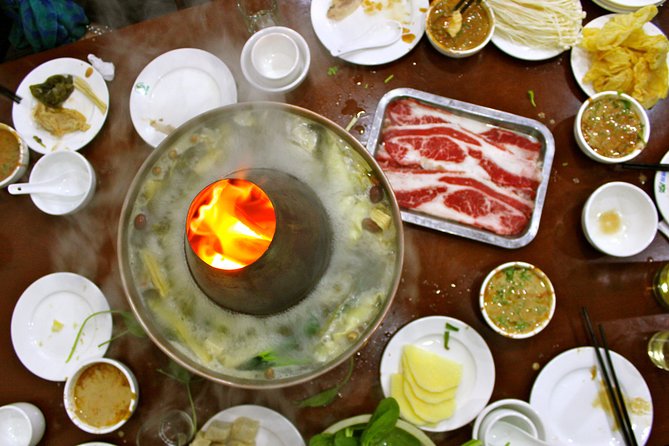
- Hotpot starts the feast: Mongolian-style hotpot may appear early, followed by dumplings, noodles, crepes, sauced meats, and other local specialties.
- The hutong route is the real setting: You walk through narrow residential lanes where small restaurants serve local customers.
- Small groups keep it personal: The usual group size is eight, with a maximum of 12 when a second guide is added.
- Local drinks are included: Expect bottled water, soft drinks, beer, and alcoholic beverages, finishing with a rice wine tasting.
- The guides do more than order food: They explain dishes, restaurants, customs, and Chinese food history, then help you find your way back.
- The tour is a large meal: You probably will not need another full meal for several hours afterward.
Why this dinner tour works so well
Many Beijing food stops are easy to find, but that does not mean they are easy to understand. A restaurant sign may be hard to read, menus may not be in English, and the best local places often sit down a narrow lane with little to announce them.
This tour solves that problem without turning dinner into a formal cooking demonstration. You walk, sit down, taste a few dishes, move on, and repeat. The food gives you a reason to explore the hutongs, while the guide gives the streets and dishes a useful story.
I particularly like the balance between planned stops and neighborhood wandering. You are not only being taken from one restaurant to another. You are walking through a part of Old Beijing that can be confusing at night, with a guide who knows which turns lead to the right doorway.
The small group matters here. With a standard group of about eight people, it is easier to hear explanations and share dishes around a table. Groups can reach 12, but a second guide is used in those cases. That is still manageable, though the experience will feel less intimate than a private outing.
More Dining Experiences in Beijing
- 4-Hour Private Illuminated Beijing Tour with Authentic Chinese Dinner on Hutong Street
★ 5.0 · 34 reviews - Din Tai Fung Dinner and VIP Class River Cruise Experience in Shanghai
★ 5.0 · 31 reviews - Beijing:Temple of Heaven Private Tour w/Option Show & Dinner
★ 4.8 · 18 reviews
Meeting at Beixinqiao Station at 7 p.m.
The evening begins near Beixinqiao Station in Dongcheng District. The meeting point is close to Beijing’s subway network, which is useful because traffic can be slow and unpredictable. One detailed account praised the subway as a simple and inexpensive way to reach the start, with Line 5 serving Beixinqiao.
You should allow time to find the exact meeting spot. The station area is a large, busy intersection, and one guide had to call a participant who was unsure where to wait. That is not a serious problem, but it is a good reason to arrive early, keep your phone available, and have the meeting instructions ready on your mobile ticket.
The 7 p.m. start suits Beijing’s dinner rhythm. You get some evening atmosphere in the lanes without making the tour run too late. Still, the tour can last beyond the stated three hours if a restaurant is delayed or the group lingers, so check the final subway times if you are relying on public transportation.
Walking through the old hutong lanes
The hutongs are the heart of the experience. These narrow lanes form a very different Beijing from the grand avenues, palace courtyards, and modern shopping streets. The route takes you into neighborhood areas near the Lama Temple district and around the older streets of Dongcheng.
You may find the lanes dark, tight, and difficult to follow on your own. That is exactly where a local guide earns the fee. Guides lead the group through turns that would be easy to miss, keep everyone together, and take you to places that are unlikely to appear in a standard sightseeing plan.
The walk lasts about two hours as part of the three-hour evening. It is not a long-distance hike, but you should be comfortable walking between food stops and standing in small restaurants. The narrow lanes can also make it harder for a large group to move quickly, so this is an experience for people who prefer a slower evening rather than a tightly timed dinner reservation.
The best part is that the food and setting belong together. A bowl of noodles or a plate of dumplings feels more meaningful when you have just passed old residential lanes and seen ordinary neighborhood life around you. The tour does not ask you to admire the hutongs from a distance. It uses them as the path between meals.
The first plates: hotpot and northern flavors
The meal may begin with Mongolian-style hotpot, one of the most praised parts of the evening. Hotpot is social by nature, with ingredients cooked at the table and shared by the group. It is a useful introduction because your guide can explain what you are eating and how the meal is meant to work.
This first stop can also create the tour’s main practical problem: too much food too soon. One participant specifically advised not eating everything at the opening hotpot stop because several more tastings follow. Take small portions and pace yourself. You are not being graded on how much you can finish.
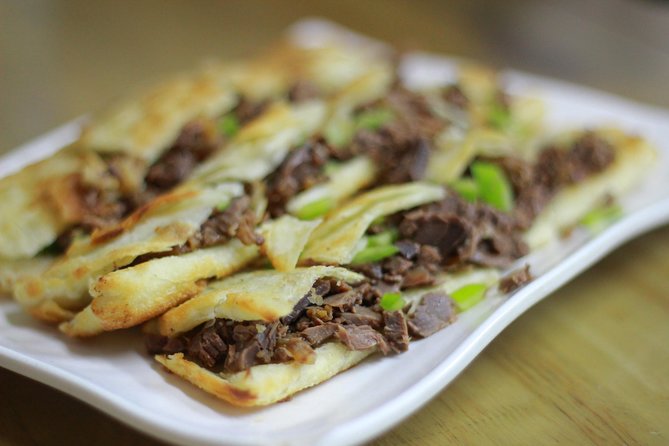
The selection may also include hand-stuffed boiled dumplings, noodles, Beijing sauced meats, and jianbing-style egg crepes with a crisp wonton element. These foods show different sides of northern Chinese cooking, from filled dough and wheat-based staples to savory meats and quick street food.
The guides explain where dishes came from and how they fit into Chinese food customs. Garth, in particular, received repeated praise for connecting individual foods with larger stories about Chinese culture, trade routes, dynasties, and regional cooking traditions. That background helps you remember the meal instead of treating it as a sequence of unidentified samples.
A completely different sort of day out:
- From Beijing: Mutianyu Great Wall Tours with Options
★ 4.9 · 9,216 reviews - Beijing: Forbidden City Tour(Group/Private)-Tickets Included
★ 4.8 · 7,974 reviews - Beijing: T-Square & Forbidden City Group or Private Tour
★ 4.8 · 4,446 reviews - All-Inclusive Tour: Tiananmen Square, Forbidden City, Great Wall
★ 5.0 · 2,873 reviews
Street food and the jianbing favorite
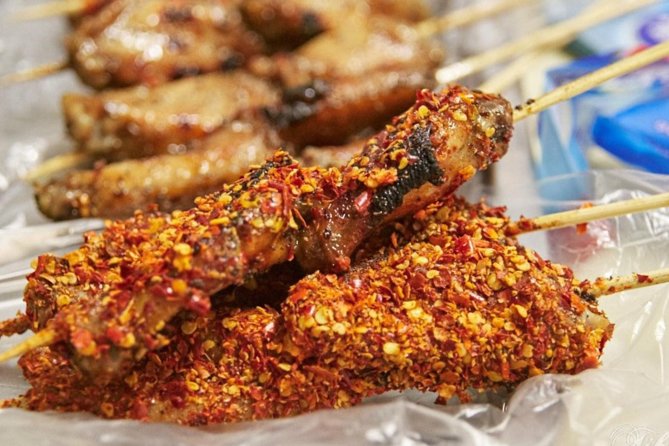
The street food portion is where the tour feels most informal. You stop at local stalls and small shops, order with the help of the guide, and eat alongside neighborhood customers. The point is not polished service. The point is seeing how an ordinary evening meal can unfold in Beijing.
Jianbing crepes have been a favorite for several participants, especially the combination of egg, batter, sauce, and crisp texture. If you have never tried one, this is the sort of dish that benefits from a guide who knows what to order and how to describe it.
You might also encounter other foods selected according to the evening route, restaurant availability, and seasonal conditions. The exact menu is not fixed in the information provided, so you should think of this as a guided tasting route rather than a guaranteed checklist.
That flexibility can work in your favor. It lets the guide respond to what is open and what is freshest, but it means you should not book expecting every dish named in the description to appear on every departure. If you have a specific dietary requirement, provide it when booking. Advance notice is needed to make suitable arrangements.
Family-run restaurants with stories attached
The small restaurants are not merely places to consume food. They are part of the tour’s appeal. Several accounts describe visits to mom-and-pop shops that would be very difficult to locate or use independently, especially without Chinese language skills or local knowledge.
One stop involved a chicken restaurant with an unusually memorable owner, described as someone who raises birds, recites poetry in parks, and had taught his dog to ride a child’s scooter. You cannot count on meeting this exact personality, but the detail gives you a sense of the kind of local character the route may bring into the evening.
There was also an occasion when a reservation mix-up caused a wait of about 30 minutes. The guide handled it by taking the group to a nearby microbrewery, serving fresh fruit, and offering beer while the problem was sorted out. That is worth noting in two ways. The route can occasionally run into ordinary restaurant delays, but a good guide can turn dead time into another local stop.
You are eating in places chosen for local character, not for a formal dining room or predictable tourist service. That makes the evening more memorable, but it also means restaurant conditions may be simple and seating may be close. If you need a quiet, spacious meal with a fixed menu, this is not the right format.
Beer, soft drinks, and a very full table
A bottle of local beer is paired with the meal, and the tour includes soft drinks, bottled water, and local alcoholic beverages. This makes the $75 price easier to assess because you are paying for more than guiding and a few token samples. The food stops add up to what is described as a very large dinner.
For many people, that is good value. A series of dishes, drinks, local ordering help, and a three-hour walk through the hutongs would be difficult to reproduce alone, even before considering the cost of ordering several dishes at multiple restaurants.
The value is strongest if you are curious about food but do not want to spend your first evening decoding menus or guessing which places are worth entering. It is weaker if you are a light eater, do not drink alcohol, or already have a detailed list of Beijing restaurants you plan to visit.
Pace yourself. Share everything. A few bites of each dish will let you reach the later stops, which may include some of the most unusual food and the rice wine tasting.
Finishing with Nuoyan rice wine
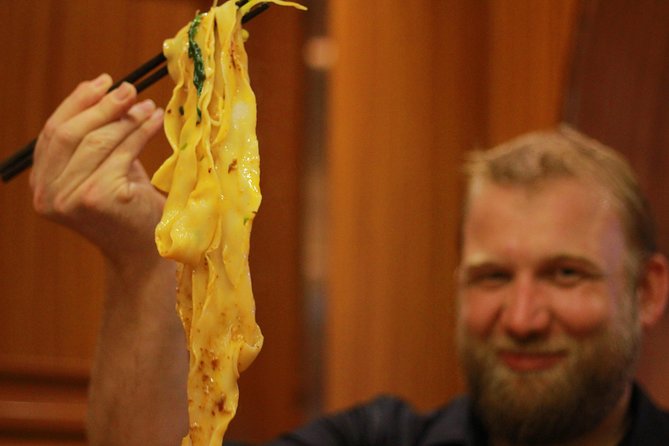
The final stop is Nuoyan Rice Wine Shop, where you sample a small flight and learn about mijiu, a traditional Chinese rice wine. The tasting lasts about 30 minutes and gives the evening a clear ending.
Rice wine is an important part of drinking traditions across East Asia, and the guide uses this stop to explain how it is made and how the method spread beyond China. This is not a full winery visit or a lengthy alcohol class. It is a compact tasting with cultural context, which works well after the restaurant stops.
The rice wine finish also gives the tour more shape than a simple crawl from one bar to another. You begin with a substantial meal, walk through older neighborhoods, and close with a drink tied to long-standing Chinese traditions.
If you do not drink alcohol, tell the provider about your dietary or beverage needs in advance. The supplied details confirm that alcoholic drinks are part of the tour, but they do not specify a complete nonalcoholic replacement program.
Ending near Dongsi and getting back
The tour ends near the intersection of Dongsi North Street and Dongsi 10th Alley, close to Zhangzizhong Road Metro on Line 5. The listed end point is different from the Beixinqiao meeting area, so do not assume you will return to your starting station.
Guides are happy to help with directions to your hotel. Several participants valued this assistance, including help arranging a taxi or Didi when phone payment or app access caused trouble. That kind of practical support is especially useful after several drinks, a long walk, and a route through lanes you may not recognize.
The post-tour welcome packet adds further value. It includes addresses for the places visited, restaurant suggestions, and local travel tips. Keep it. The addresses can help you return to a favorite stop, and the recommendations may be useful for the rest of your Beijing stay.
Who should book this evening
I would choose this tour for a first visit to Beijing, especially if you want food to introduce you to the city. It suits curious eaters, couples, solo visitors, and small groups who enjoy sharing dishes and talking with a guide.
It is also a good early-trip activity. The explanations about food, ordering, and neighborhood restaurants can make later independent meals easier. You leave with more confidence and a short list of places worth revisiting.
The tour may be less suitable for very selective eaters, people with serious dietary restrictions who cannot provide advance notice, or anyone uncomfortable with walking through narrow lanes and eating in simple local restaurants. It is also not ideal if you need to finish at exactly 10 p.m.
Most people can participate, and the group is capped at 12. There is no hotel pickup or drop-off, so you must reach Beixinqiao Station yourself and arrange your return from Dongsi.
Is the $75 price fair?
At $75 per person, this is not a cheap dinner, but it is a reasonable price for a guided three-hour food route with a substantial amount of food and included drinks. You are also paying for access to small restaurants that can be hard to find, translation and ordering help, cultural explanations, and assistance with local transportation.
The strongest value comes from the combination of food and access. If you only want to eat hotpot, you can find a cheaper meal. If you want to understand how several local foods fit into Beijing life, navigate hutong lanes without stress, and try multiple places in one evening, the cost makes more sense.
Free cancellation is available up to 24 hours before the start time. Changes or cancellations made less than 24 hours ahead are not refundable, and poor weather or an insufficient number of bookings can lead to a rescheduled tour or full refund.
Should you book the Old Beijing Dinner Tour?
Yes, if you want an active, social introduction to Beijing food and do not mind a large meal. The best reasons to book are the hutong route, the hard-to-find family restaurants, and guides such as Garth, Kelly, Eric, Julia, Shan, and others who bring clear food and cultural explanations to the evening.
Book it early in your stay so you can use the restaurant tips afterward. Arrive hungry, keep your schedule loose, provide dietary details in advance, and plan your return from the Dongsi end point. If that sounds like your kind of night, this is a strong use of three hours in Beijing.
FAQ
How long does the Old Beijing Dinner Tour last?
The tour lasts approximately three hours, including the walking route, restaurant tastings, and the rice wine stop.
Where does the tour begin?
It begins near Beixinqiao Station in Dongcheng District, Beijing, at 7 p.m.
Where does the tour end?
The tour ends near Dongsi North Street and Dongsi 10th Alley, close to Zhangzizhong Road Metro on Line 5.
What food might be included?
Possible tastings include Mongolian-style hotpot, hand-stuffed boiled dumplings, Beijing sauced meats, noodles, and jianbing-style egg crepes. The exact selection can vary.
Are drinks included?
Yes. The tour includes bottled water, soft drinks, local alcoholic beverages, and a local beer paired with the meal. A rice wine tasting is also included.
How large is the group?
The standard group size is eight people. Groups can reach 12, with a second guide used in some cases.
Is hotel transportation included?
No. Hotel pickup and drop-off are not included, but the guide can help with directions back to your hotel after the tour.
More Dinner Experiences in Beijing
- Beijing Imperial Dining Experience at Bai Jia Da Yuan Restaurant with Houhai Lake Bar Tour
★ 5.0 · 16 reviews - Beijing Evening Tour: Chaoyang Acrobatic Show with Peking Duck Dinner
★ 5.0 · 13 reviews - Beijing Hutong Dinner and Beer Walking Private Tour
★ 5.0 · 9 reviews - Beijing: Acrobatic Show with Peking Duck Dinner Private Tour
★ 4.9 · 8 reviews
Just added in Beijing
- Private Transfer to Mutianyu Great Wall with professional driver★ 5.0 · 19 reviews
- One day tour to downtown Tianjin from Beijing by high speed train★ 5.0 · 3 reviews
- ZANBUS: Trip to the Jinshanling Great Wall Departing at 7:30 AM★ 5.0 · 5 reviews
- camp on the Great Wall overnight with sunrise and sunset on the wall★ 5.0 · 11 reviews
- Yuxiandu Chinese Royal Cuisine Museum with Show and Royal Banquet★ 5.0 · 4 reviews
- Wild Great Wall Hikes★ 5.0 · 10 reviews
- BusDa:Ancient Great Wall &Badaling Great Wall Full-day Bus Tour★ 4.5 · 6 reviews
- Wild Great Wall Huanghuacheng Half Day Tour★ 5.0 · 15 reviews
Dining Experiences in Beijing, compared.
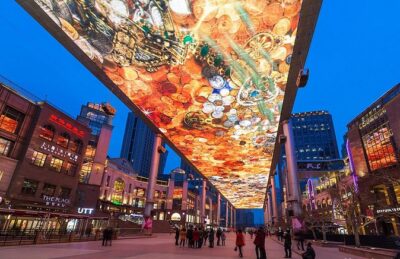
4-Hour Private Illuminated Beijing Tour with Authentic Chinese Dinner on Hutong Street
Read our review →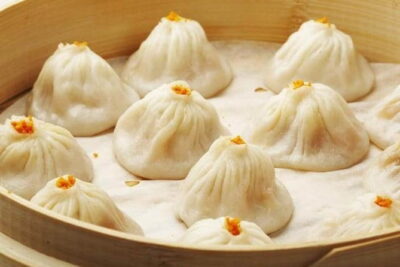
Din Tai Fung Dinner and VIP Class River Cruise Experience in Shanghai
Read our review →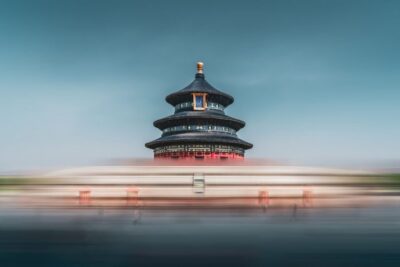
Temple of Heaven Private Tour w/Option Show & Dinner
Read our review →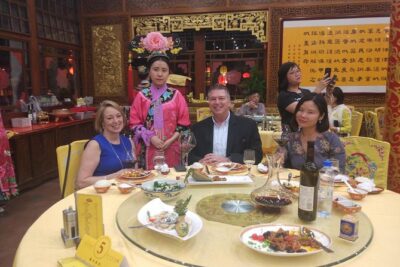
Beijing Imperial Dining Experience at Bai Jia Da Yuan Restaurant with Houhai Lake Bar Tour
Read our review →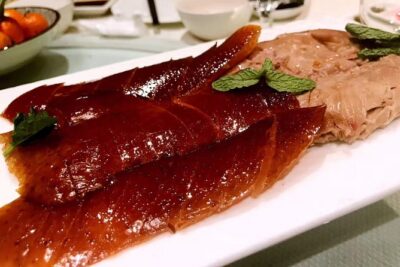
Beijing Evening Tour: Chaoyang Acrobatic Show with Peking Duck Dinner
Read our review →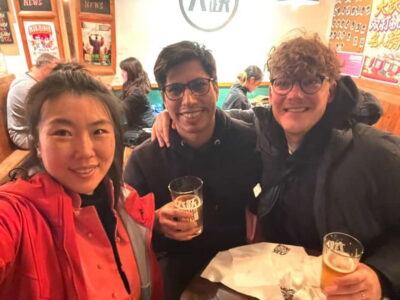
Beijing Hutong Dinner and Beer Walking Private Tour
Read our review →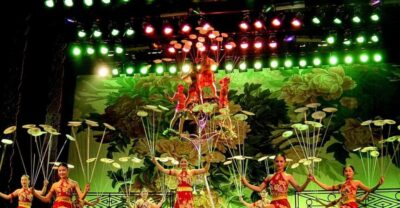
Acrobatic Show with Peking Duck Dinner Private Tour
Read our review →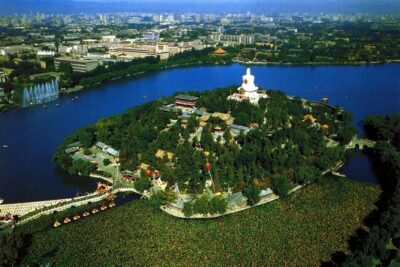
Private Beijing Jingshan Hill, Beihai, and Hutongs with Imperial Lunch/Dinner
Read our review →Where else this tour turns up