
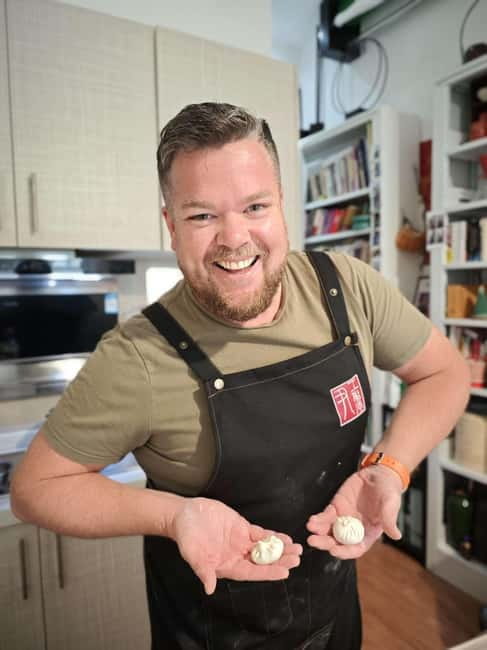
Reviewed · VEGAN & VEGETARIAN
Make Soup Dumpling: Vegan or Pork in Shanghai Shikumen
Soup dumplings are harder than they look. This 2.5-hour class gives you a hands-on lesson in Shanghai’s famous xiaolongbao, with two things I especially like: you can choose between vegan or pork filling, and Chef Yin personally coaches you through the tricky 18-fold pleat. The main drawback is the price, $120 per person, which is a serious spend for a cooking class, especially since the base booking includes only one filling.
The setting adds real appeal. You cook inside a historic Shikumen lane house kitchen, rather than in a generic studio, and the class includes tea, recipes, and a studio gift. One practical warning: the workshop can be difficult to find, although Chef Yin sends a detailed video and may meet you on the street to guide you in.
In This Review
- Quick Reasons to Consider This Class
- Why Xiaolongbao Make Such a Good Shanghai Class
- Starting With Dough, Water, and Patience
- Rolling Wrappers Thin Enough for Soup
- Choosing Vegan or Pork Filling
- The Famous 18-Fold Pleat
- Steaming, Tea, and the First Bite
- A Shikumen Setting With Some Finding Your Way Required
- Is $120 Per Person Fair?
- Who Will Get the Most From It?
- Should You Book Chef Yin’s Dumpling Class?
- FAQ
- How long does the soup dumpling class last?
- How much does the class cost?
- Can I choose between vegan and pork dumplings?
- Can I make both fillings?
- What is included in the price?
- Is transportation included?
- Where does the class take place?
- What languages are offered?
- How far in advance can I cancel for a full refund?
- Do I have to pay when I reserve?
Quick Reasons to Consider This Class
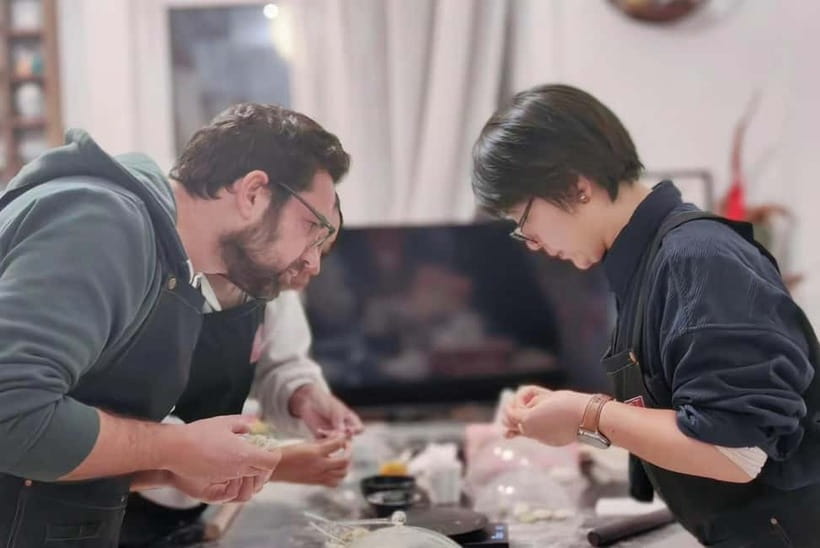
- Choose your filling: Make vegan xiaolongbao with mushrooms and vegetables, or pork dumplings with ginger, scallions, and gelatinized broth.
- Learn the 18-fold pleat: Chef Yin gives hands-on corrections while you twist, seal, and shape each dumpling.
- Cook in a Shikumen lane house: The private-home setting gives the class a strong sense of place.
- Tea and food culture included: Chef Yin talks about Chinese tea, food, and Shanghai life as you work.
- Add both fillings: Pay an extra $20 per person and add 30 minutes to prepare vegan and pork dumplings.
- Plan for patience: The dough, wrappers, filling, and pleats take time, so eat a small snack before class.
Why Xiaolongbao Make Such a Good Shanghai Class
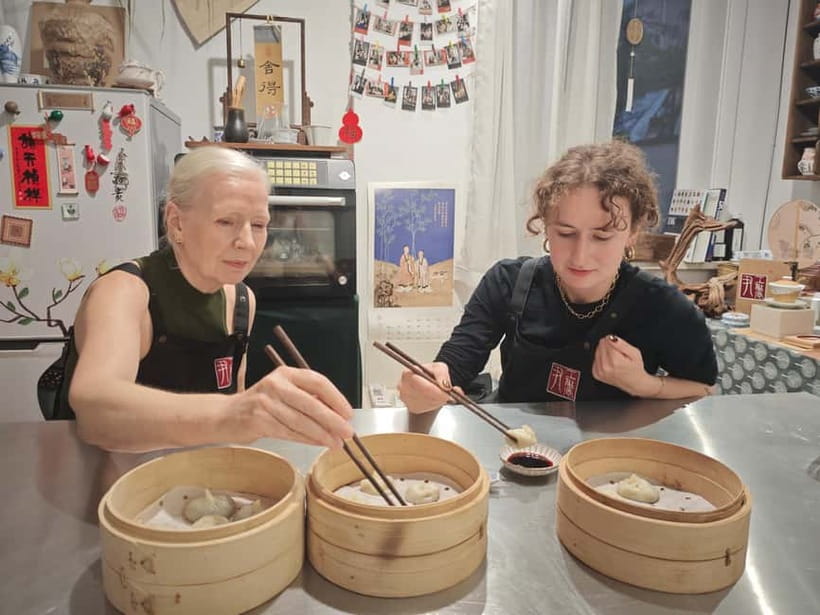
Xiaolongbao look simple on the plate: a thin wrapper, a neat crown of pleats, and a pool of soup inside. Making them is another matter. You must get the dough elastic, roll the wrapper thin without tearing it, and shape the dumpling so it holds liquid during steaming.
That gap between appearance and effort is part of the fun. You do not just eat a famous Shanghai dish. You learn why good soup dumplings demand care at every step.
The class is based in Shanghai’s Shikumen lanes, a style of old urban housing with stone-gated entrances and narrow shared passages. Here, the setting is not just decoration. You cook in a private-home kitchen in a historic compound, where the scale and layout help connect the food with ordinary Shanghai life.
Chef Yin also adds context as you work. She talks about Chinese food and tea, and she shares stories about Shanghai. This keeps the session from feeling like a factory-style cooking demonstration. You spend most of the time making food, but you also get a window into local customs and daily rhythms.
The class has earned a 4.9 rating from six reviews, with especially strong praise for Chef Yin’s warmth, preparation, patience, and clear teaching. That matters here because dumpling shaping is a hand skill. A printed recipe alone will not show you how much pressure to use or when the wrapper is too thin.
More Food Tours in Shanghai:
- Authentic Local Food Tour in Central Shanghai
★ 5.0 · 1,382 reviews - Eat Like A Local: Shanghai Night Food Tour
★ 5.0 · 616 reviews - Eat Like a Local Through Shanghai’s French Concession
★ 5.0 · 353 reviews
Starting With Dough, Water, and Patience
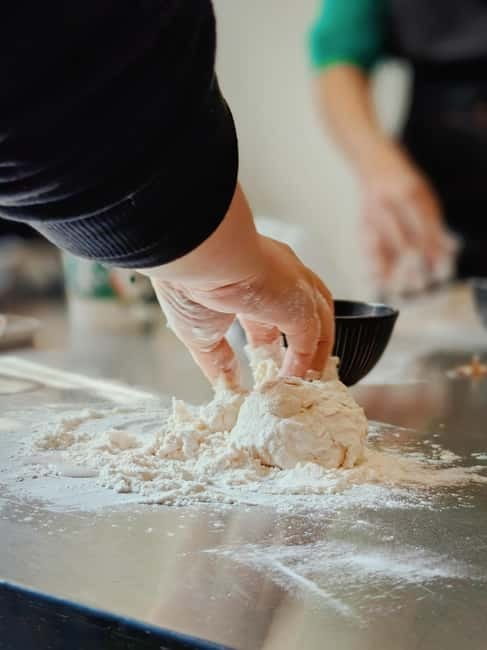
The first stage is making the dough from scratch. Chef Yin demonstrates the water-to-flour ratio, then guides you as you mix and knead. The goal is a dough that feels elastic and workable rather than stiff or sticky.
This is a useful beginning because the wrapper controls almost everything that follows. If the dough is too dry, rolling becomes difficult. If it is too soft, the wrapper may not hold the filling or soup.
After kneading, the dough rests. That waiting period is part of the process, not wasted time. It lets the dough relax so it can be rolled more easily. You will also begin to understand why a restaurant dumpling can look effortless while requiring careful preparation behind the scenes.
Do not expect a quick assembly line. The dough stage takes concentration, and the full class is paced around learning rather than producing a large number of dumplings. If you want a fast meal, this is the wrong format. If you want to understand the work behind the dish, it is exactly the point.
Rolling Wrappers Thin Enough for Soup
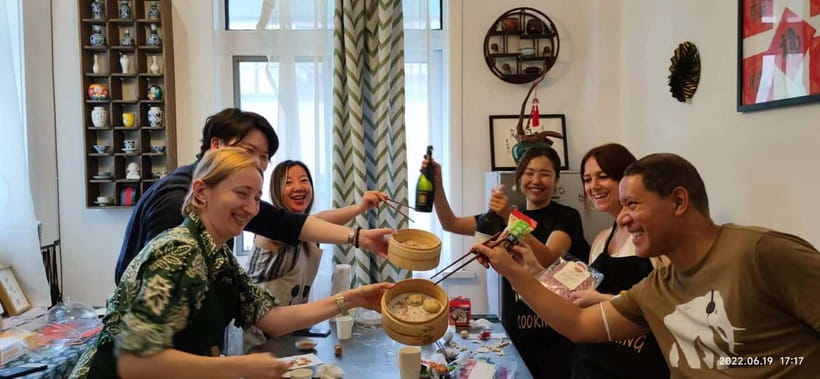
Next comes wrapper making. You roll the dough into palm-sized, translucent rounds using traditional techniques. The center should remain slightly thicker than the edges. That small difference helps the bottom support the filling while the thinner rim folds into pleats.
This is where Chef Yin’s direct coaching becomes useful. Rolling a wrapper evenly is harder than it sounds, and it is easy to make the edge too thick or the center too fragile. The finished wrapper should be thin enough to feel delicate, but strong enough to survive filling, folding, and steaming.
You will likely notice that each wrapper is a little different. That is normal in a hands-on class. The value is not in producing identical restaurant dumplings on your first try. It is in learning to recognize a workable wrapper and seeing how its thickness affects the finished bite.
A review of the class described the preparation as a lesson in appreciating the love and effort behind the dish. That is a fair way to look at this stage. Once you have rolled wrappers yourself, you understand why handmade xiaolongbao cost more than ordinary dumplings.
Choosing Vegan or Pork Filling
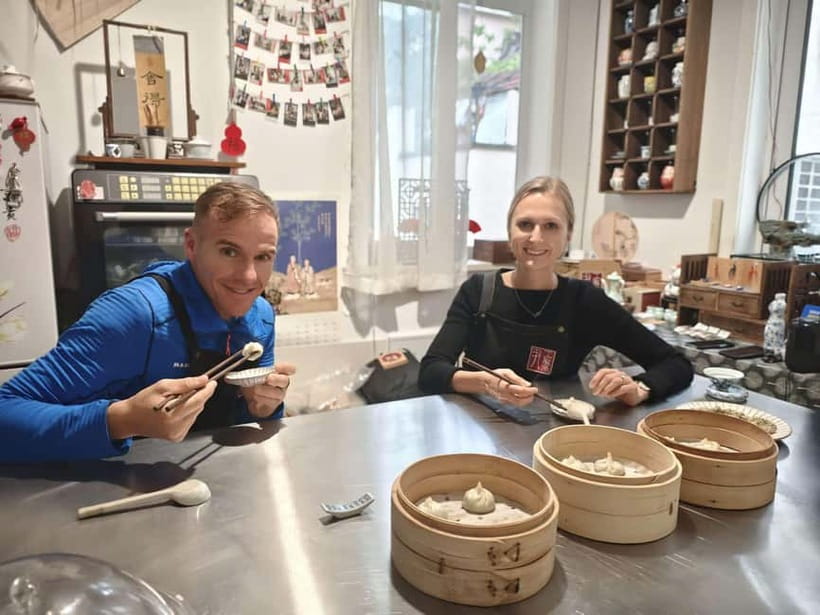
The base price includes one filling, so you should decide which style suits you before booking. The vegan option requires cooking in class. You sauté mushrooms and vegetables with an umami-rich broth, building flavor from the pan up.
This choice is useful for vegetarians and for anyone who wants a plant-based version of a dish usually associated with pork. It also gives you a more active cooking role because you prepare the filling from scratch.
The pork version uses raw minced pork mixed with ginger, scallions, and aspic, which is gelatinized broth. The aspic melts during steaming and creates the liquid center that makes xiaolongbao so distinctive. The pork is raw when you mix it, but it cooks safely inside the dumpling during steaming.
The two fillings teach slightly different lessons. The vegan choice focuses on seasoning mushrooms and vegetables so they have enough depth. The pork choice shows the classic method for creating the soup inside the dumpling.
There is one useful caution about the vegan version. One person found the finished dumplings a little mild and noted that they contained very little actual soup. That does not make the option a poor choice, but it suggests you should set your expectations correctly. Vegan xiaolongbao can be a satisfying cooking project, yet the soup effect may not match the pork version.
If you want to compare both, the dual-filling add-on costs $20 per person and adds 30 minutes. For a food-focused visitor, that is a reasonable upgrade. You get to see how the fillings differ and can decide which technique you want to repeat at home.
A few more to weigh up in Shanghai
- Zhujiajiao Water Town and Shanghai City Private Day Tour
★ 5.0 · 1,016 reviews - Private Shanghai Full Day City Tour with Old and New Highlights
★ 5.0 · 995 reviews - Shanghai: Hop-on Hop-off Bus Ticket and Optional Attractions
★ 3.4 · 692 reviews - Shanghai Private Tour: Zhujiajiao Water Town and Boat Ride
★ 5.0 · 661 reviews
The Famous 18-Fold Pleat
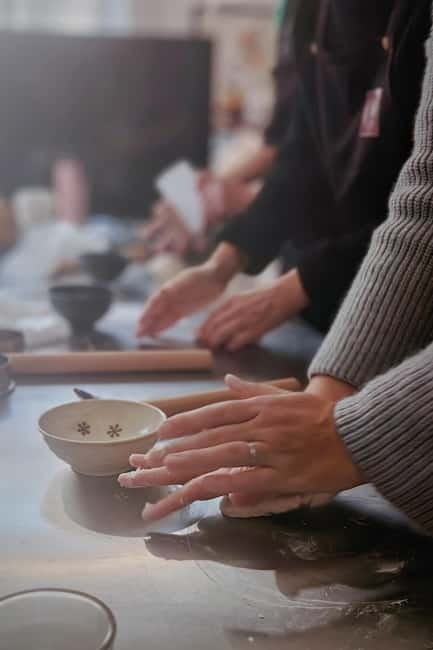
The highlight is shaping the dumpling. Chef Yin teaches the 18-fold technique, including twisting, sealing, and forming the signature crown. The folds must be tight enough to keep the soup inside, but not so tight that the wrapper tears.
This is the part where the class earns its keep. You receive real-time corrections instead of trying to copy a finished dumpling from across a room. Chef Yin can show you where to pinch, how to turn the dumpling, and how to close the top.
The 18 folds are not simply a pretty finish. They help seal the dumpling and give it the familiar xiaolongbao shape. Still, your first attempts may look uneven. One German participant noted that the dish is not easy to make beautifully, but that the difficulty made the final result taste more rewarding.
That is the right attitude. Do not measure the class by how many perfect dumplings you produce. Measure it by what your hands understand by the end. You may go home with a few slightly lopsided crowns, but you will know more about dough, wrapper thickness, filling, and sealing.
The class is also a good match for families, couples, and small groups who enjoy doing something together. Dumpling folding gives everyone a task, and the mistakes become part of the evening rather than a problem to hide.
Steaming, Tea, and the First Bite
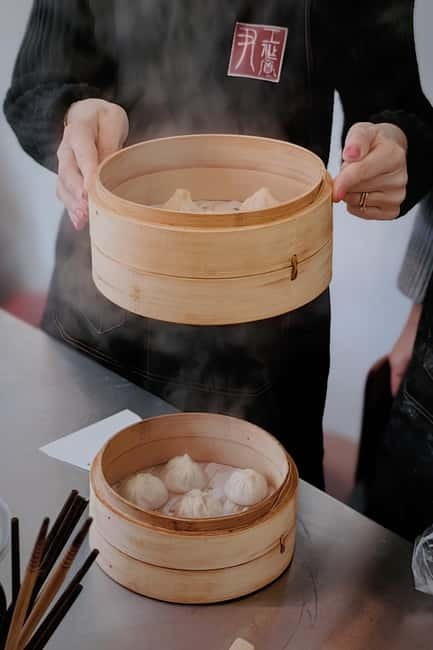
Once the dumplings are shaped, you steam them in bamboo baskets. This is the moment when the careful work faces its final test. A weak seal can open, and an overly thin wrapper can split.
You then eat the dumplings with black vinegar and ginger, accompanied by good-quality tea. The serving style matters because black vinegar and ginger are classic partners for xiaolongbao. They add sharpness and warmth to the soft wrapper, savory filling, and broth.
Be careful with the soup when you take that first bite. The class is built around the soup inside, so you should treat each dumpling like a small hot parcel. The information provided does not specify the exact serving sequence, so Chef Yin’s instructions are the best guide at the table.
One practical tip is worth taking seriously: have a small snack before class. The preparation takes time, and you may be hungry before the dumplings are ready. Arriving very hungry can make the slower stages feel longer, especially while the dough rests and the wrappers are rolled.
The finished meal is not the only reward. You receive recipes to use at home, which adds value if you want to repeat the class in your own kitchen. The included studio gift is a small extra rather than a reason to book, but it gives you a physical reminder of the session.
A Shikumen Setting With Some Finding Your Way Required
The location is one of the strongest reasons to choose this experience instead of a standard cooking school. A Shikumen lane house gives you a sense of Shanghai’s older residential fabric while you prepare a dish closely tied to the city.
The workshop is centrally located and reachable by public transport. Still, the room can be hard to find once you reach the area. You should read the arrival directions before setting out and keep the video that Chef Yin sends in advance.
There is good news here. Chef Yin’s directions are detailed, and one participant found that she was met on the street before the video was even needed. That kind of personal welcome can make a real difference in a maze of lanes and compounds.
Personal transportation is not included, so you must arrange your own way to the meeting point. The class does not list a hotel pickup service. Build a little extra time into your arrival, not because the class is badly organized, but because old lane-house addresses can be less obvious than a modern storefront.
The setting may also be less polished than a commercial demonstration kitchen. That is part of its appeal, but it means you should book this for atmosphere and personal instruction, not for a slick production.
Is $120 Per Person Fair?
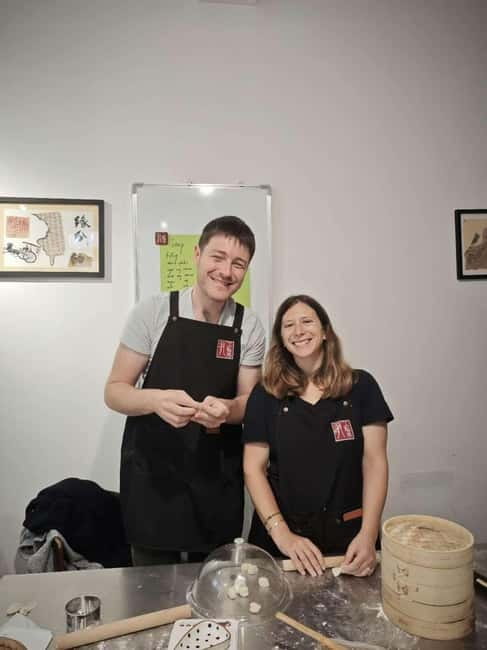
At $120 per person, this is not a bargain cooking lesson. The fee covers the 2.5-hour class, ingredients and tools for one filling, tea, and a studio gift. You also receive direct teaching from Chef Yin, the use of a private-home Shikumen setting, and recipes for later.
The price makes more sense if you value the full experience rather than the amount of food. You are paying for a local setting, individual coaching, cultural conversation, and a skill that is difficult to learn from a cookbook.
It is less appealing if your main goal is simply to eat xiaolongbao cheaply. Shanghai has plenty of places where you can buy dumplings for far less. You should also remember that the base booking includes only vegan or pork, not both.
The $20 dual-filling add-on is relatively modest compared with the main price. I would consider it if you are especially interested in food technique or want to bring home a stronger comparison between the two styles. If you do not care about vegan dumplings, stick with one filling and keep the session shorter.
The rating of 4.9 from six reviews is encouraging, and the praise centers on the parts that matter most: kindness, clear explanations, good preparation, and time spent helping each person. The small number of reviews means you should not treat the rating as a guarantee, but the pattern is consistent.
Who Will Get the Most From It?
I would recommend this class to you if you enjoy learning by doing. It suits visitors who want a personal connection to Shanghai food, cooks who are curious about dough and soup-filled dumplings, and anyone who likes taking recipes home.
It is also a good option for vegetarians because the vegan filling is a real choice, not an afterthought. If you eat pork, the traditional filling offers the clearest lesson in how aspic creates the soup center.
The class may not suit you if you dislike slow food preparation, have little interest in cooking, or want a large meal with no effort. You should also think twice if $120 feels high for a meal and lesson combined.
Instruction is offered in English, Japanese, and Chinese. The available languages make the class practical for a broad range of visitors, though the exact language arrangement should be confirmed when you check the time.
Free cancellation is available up to 24 hours before the class for a full refund, and you can reserve now and pay later. Those policies are helpful when your Shanghai plans are still shifting.
Should You Book Chef Yin’s Dumpling Class?
Book it if you want more than a restaurant meal. The combination of hands-on 18-fold coaching, a Shikumen home setting, tea, and cultural conversation gives the class a clear sense of place.
Choose the vegan filling for a plant-based lesson, the pork filling for the classic soup dumpling method, or pay $20 more for both. Arrive with a small snack in you, follow the location video, and allow time for imperfect pleats.
I would skip it only if you are seeking the cheapest way to eat xiaolongbao or if you find dough work tedious. For everyone else, this is a warm, practical way to understand one of Shanghai’s most famous foods, one fold at a time.
FAQ
How long does the soup dumpling class last?
The standard class lasts 2.5 hours. Choosing both fillings adds 30 minutes.
How much does the class cost?
The base price is $120 per person. The dual-filling option costs an additional $20 per person.
Can I choose between vegan and pork dumplings?
Yes. The base booking includes your choice of one filling, either vegan or pork.
Can I make both fillings?
Yes. You can add both vegan and pork fillings for an extra $20 per person. This extends the class by 30 minutes.
What is included in the price?
The class includes all materials and tools for one filling, good-quality tea, and a studio gift. Recipes are also provided to take home.
Is transportation included?
No. Personal transportation is not included, so you must make your own way to the class.
Where does the class take place?
The workshop takes place in a private-home kitchen in a historic Shanghai Shikumen lane house compound.
What languages are offered?
Instruction is available in English, Japanese, and Chinese.
How far in advance can I cancel for a full refund?
You can cancel up to 24 hours in advance for a full refund.
Do I have to pay when I reserve?
No. The activity allows you to reserve now and pay later, so you do not have to pay at the time of booking.
Just added in Shanghai
- Suzhou Private Guided Day Trip from Shanghai by Bullet Train★ 5.0 · 46 reviews
- Suzhou and Zhujiajiao Private Guided Day Trip from Shanghai★ 5.0 · 27 reviews
- Shanghai: Zhujiajiao Water Town with Calligraphy Experience★ 5.0 · 17 reviews
- Shanghai:Wing Chun Kung Fu in Shanghai’s Beautiful Park★ 5.0 · 2 reviews
- Shanghai:Old Town, Yu Garden, Zhujiajiao Water Town Bus Tour★ 4.7 · 16 reviews
- Shanghai: Yu/Yuyuan Garden Entry Ticket–E ticket★ 4.4 · 24 reviews
- Shanghai: Yuyuan, City God Temple Old City Tour-Tip Based★ 5.0 · 10 reviews
- Shanghai: Zhujiajiao Water Town Private Tour with Boat Ride★ 5.0 · 2 reviews
Vegan & Vegetarian, compared.
Half-day Private Panda Tour with Vegetarian Lunch in Nunnery
Read our review →
Half-Day Walking Tour with a Vegetarian Lunch at a Nunnery
Read our review →
Vegan Home Cooking & Local Market Tour with Sanxia
Read our review →Where else this tour turns up