
Reviewed · CHENGDU TOURS
Learn cold noodle and wolf-teeth potato at local home
Food tells family stories.
This small Chengdu cooking class connects two beloved Zigong snacks with one family’s food traditions. I like the personal story behind the lesson, and I like that you cook the dishes yourself rather than simply watching a demonstration. The main consideration is time: at about two hours, this is a focused food activity, not a full Sichuan cooking course.
Karen teaches the recipes she learned from her mother, who once sold cold noodles and wolf-teeth potatoes at a popular food stall. I also like the practical touch of learning homemade chili oil and using Zigong well salt, while the class can leave out chili if you cannot handle spicy food. The meeting point on Zhongxin Road is convenient for public transport, but you must arrange your own way there and back.
In This Review
- Key points to know before booking
- Why Zigong food adds something special
- Meeting Karen on Zhongxin Road
- Making cold noodles from scratch
- Shaping and cooking wolf-teeth potatoes
- Eating the food you prepared
- What is included for $31
- Who will enjoy this cooking class
- Timing, group size, and practical details
- The main strengths and the limits
- Should you book this Chengdu food experience?
- FAQ
- Where does the cooking experience begin?
- Where does the activity end?
- How long does the cooking class last?
- What dishes will I learn to make?
- Is chili required in the dishes?
- What is included in the price?
- Can children join the experience?
- What is the cancellation policy?
Key points to know before booking
- Family recipes from Zigong: Karen learned these dishes from her mother, not from a restaurant training program, so the lesson centers on home-style flavor.
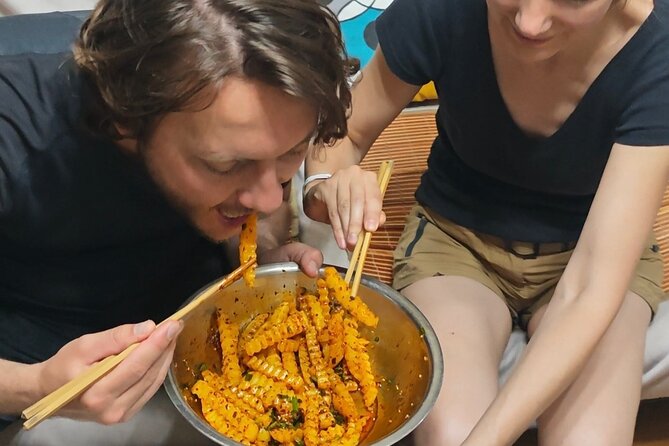
- Two classic local snacks: You prepare cold noodles and wolf-teeth potatoes, both popular foods from Zigong in Sichuan Province.
- Hands-on cooking: You help make the dishes under instruction, including the important seasoning steps and homemade chili oil.
- Small group size: The class accepts a maximum of six people, which gives the lesson a more personal feel.
- Good value at $31: The price includes ingredients, snacks, equipment, an apron, water, and a recipe to take home.
- Flexible spice level: Tell the host about allergies, dietary restrictions, or your tolerance for chili before cooking begins.
Why Zigong food adds something special
Chengdu is famous for Sichuan food, but Sichuan cooking is not one single flavor. Local dishes change from city to city, and Zigong has its own food identity. Karen was born there, and her family has a close connection to the city’s salt industry.
Her parents worked in a Zigong salt factory, and her grandfather was a boiler man there. That detail matters because salt is not just a seasoning in this story. It is part of the family background and a link to the city where these recipes developed.
Zigong is known for well salt, and the class uses the connection between salt, chili, and simple ingredients to explain why the dishes taste the way they do. You are not simply learning generic noodles and fried potatoes. You are learning how one cook carries the flavor of home from Zigong to Chengdu.
That personal connection is the strongest reason to choose this class. A large cooking school can teach technique, but Karen’s lesson is built around food she grew up eating and helping to sell. If you enjoy understanding where a dish comes from, this background gives the meal more meaning.
A few more to weigh up in Chengdu
- Chengdu: Giant Panda Breeding Research Base Ticket
★ 4.5 · 580 reviews - Half-Day Chengdu Cooking Class with a Local Market Visit
★ 5.0 · 465 reviews - Tuktuk Food Tour Through Chengdu’s Local Eats
★ 5.0 · 435 reviews
Meeting Karen on Zhongxin Road
The activity begins at Zhongxin Road in Jinniu District, Chengdu. The meeting point is near public transportation, but transportation to and from the activity is not included. Plan enough time to find the address and arrive promptly.
The class lasts about one hour and 40 minutes to two hours. That is long enough to prepare and eat both dishes without turning the activity into an all-day commitment. You will want to keep the rest of your schedule reasonably open, since the stated duration is approximate.
The group limit is six people. That is a useful size for a practical lesson because you should have room to follow the cooking process and ask questions. It also means the experience is more personal than a large demonstration, though the exact amount of individual help can depend on how many people attend.
At the start, Karen introduces herself and gives you time to get familiar with the setting. She also explains the ingredients and the general cooking process before you begin. This opening is helpful if you have never cooked Sichuan food before, since some of the flavor comes from the order and method of preparation rather than from a long ingredient list.
Making cold noodles from scratch
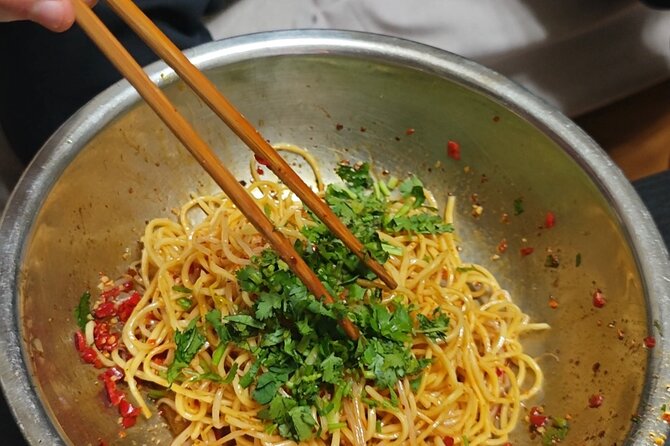
Cold noodles are one of Zigong’s popular snacks, and the lesson covers both preparation and seasoning. You learn how the noodles are steamed and cooled, then dressed with the sauces and seasonings that give the dish its character.
The cooking method is important here. Cold noodles are not simply boiled noodles placed in a bowl with sauce. The process includes steaming and cooling, followed by careful mixing with the flavoring ingredients. Karen teaches the method she learned from her mother, which gives you a recipe that is tied to a particular family style.
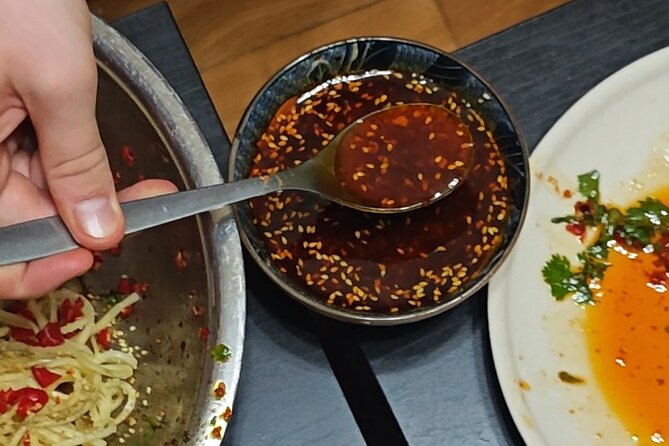
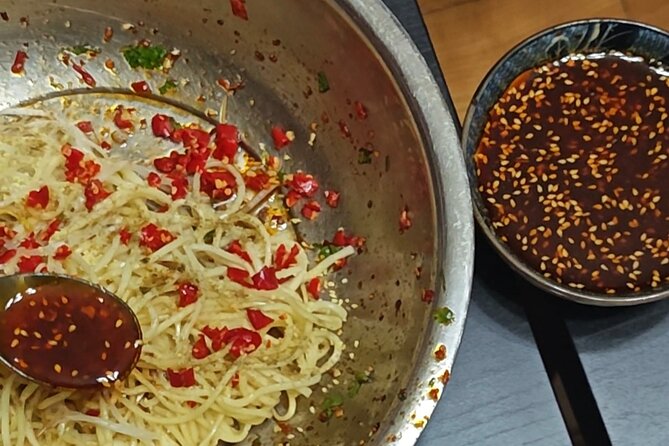
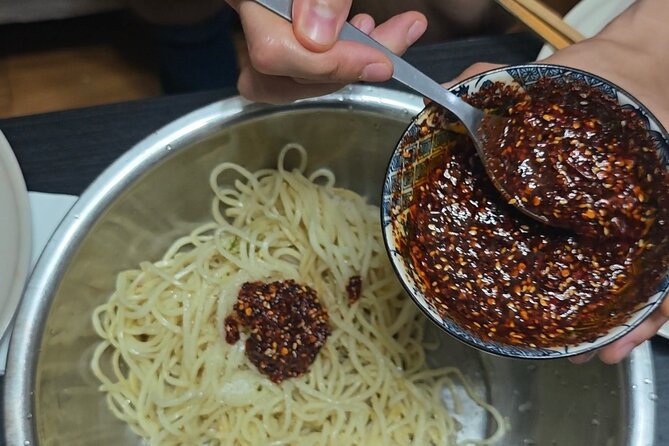
The class also covers the chili oil used in the dish. This is one of the most useful parts of the lesson because chili oil appears in many Sichuan recipes, and the right balance can change the whole plate. You learn Karen’s home recipe rather than relying on a prepared bottle.
If you enjoy cooking at home, the recipe is a practical souvenir. You receive a copy to take with you, so you can try to reproduce the noodles after returning home. Results will depend on the ingredients available in your own kitchen, but the written recipe gives you a clear starting point.
Spice is handled with some flexibility. If you cannot eat spicy food, Karen will leave out the chili. You should tell her in advance about allergies or dietary restrictions so she can plan the ingredients properly. The class is still based on Sichuan and Zigong flavors, but the heat level does not have to make the food uncomfortable.
Shaping and cooking wolf-teeth potatoes
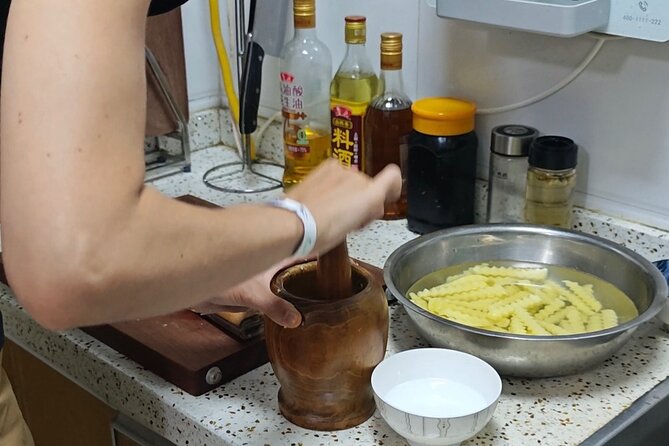
The second dish is wolf-teeth potato, another familiar Zigong snack. The potatoes are cut and fried, then seasoned in the local style. Karen learned these steps while helping her mother prepare food for the family stall.
This dish gives you a different kind of cooking task from the noodles. The potatoes need preparation, cutting, and frying, followed by seasoning. You get to take part in the work under Karen’s direction rather than waiting for a finished plate.
The name may sound unusual if you have not encountered the dish before, but the food itself is approachable. Potatoes, salt, oil, and spice create a simple base, while the seasoning brings the Sichuan character. That simplicity is part of the appeal. You can see how a familiar ingredient becomes a much-loved local snack through technique and flavor.
I would not book this class expecting restaurant-level knife training or a long lesson on professional kitchen skills. Karen openly presents herself as a home cook who learned from her mother. That is not a weakness for this particular experience. It tells you exactly what kind of lesson you are getting: an informal family recipe session rather than chef school.
A completely different sort of day out:
- Private Half-Day Chengdu Panda Breeding Center Tour with Optional Volunteer
★ 5.0 · 353 reviews - Chengdu: Sichuan Opera Shu Feng Yan Yun Evening Show Ticket
★ 4.7 · 185 reviews - Private Chengdu Day Tour: Giant Pandas and Jinsha Site Museum
★ 5.0 · 142 reviews - Visiting Dujiangyan Yaan Wolong Panda Base Optional Volunteering
★ 5.0 · 105 reviews
Eating the food you prepared
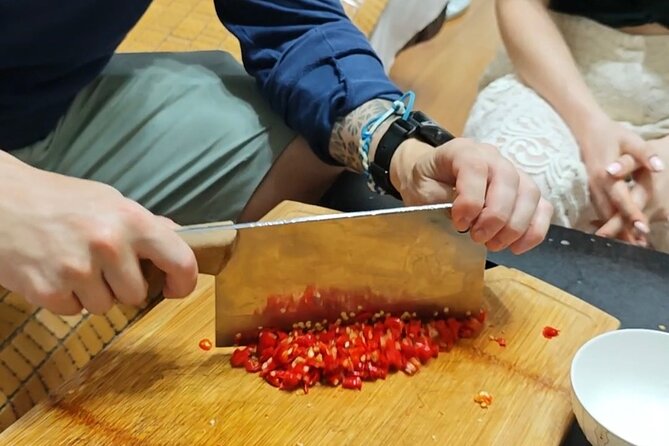
After the cooking is finished, you sit down and taste your work. This is more satisfying than receiving a prepared sample because you have followed the dishes from ingredients to final seasoning.
Karen also talks about Sichuan and Zigong cuisine while you eat. The meal therefore works as both a cooking lesson and a short introduction to regional food culture. You can ask about the flavors, compare the two snacks, and share your reaction to the finished dishes.
A previous participant described the session with Karen as fun and informative, highlighting her clear explanations and step-by-step guidance. That praise fits the structure of the class. The recipes are described as quick and simple, but the teaching still gives you support at each stage.
The dishes may be simple, yet simple does not mean unimportant. Many memorable local foods are built around everyday ingredients. The value here comes from learning how the cook handles those ingredients, especially the seasoning and chili oil.
What is included for $31
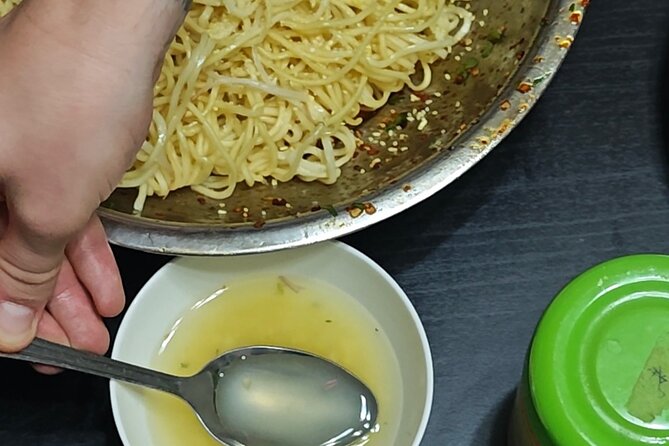
The price is $31. For a class lasting close to two hours, that is a fair price if you want an activity that includes food, instruction, and a recipe rather than just a tasting.
Your fee includes:
- All food ingredients
- Cooking equipment
- An apron
- Water
- Snacks
- A recipe
The inclusion of equipment matters because you do not need to bring cooking tools. The apron also keeps the activity practical and relaxed. Since the food is prepared and eaten during the same visit, the fee covers both the lesson and the meal you make.
The price does not include transportation to or from the meeting point. That is the main extra cost to remember. Chengdu has public transportation near the starting point, but you remain responsible for reaching Zhongxin Road and returning afterward.
The listing also identifies admission as free, which refers to the activity itself rather than transportation or other personal expenses. You should treat the $31 price as the cost of the cooking session and included food supplies.
Who will enjoy this cooking class
I would recommend this experience to you if you like food stories, small groups, and recipes that connect to a specific place. It is especially suitable if you want to learn one or two Sichuan dishes you can attempt again at home.
It also works well for people who prefer an active activity over a restaurant meal. You are involved in the preparation, and the session gives you something useful to remember beyond photographs. The recipe makes the experience easier to carry into the rest of your trip and back home.
Families can participate, but children must be accompanied by an adult. The information provided does not give a specific minimum age for children. Ask about suitability if you are booking for a young child, especially since frying is part of the potato preparation.
The class may not suit you if you want a broad survey of Sichuan cooking. You prepare two snacks in a compact session, not a large menu. It may also be less appealing if you dislike spicy food, although Karen can omit chili when requested.
People with food allergies or dietary restrictions should contact the host before the class. The host specifically asks for this information, and advance notice is the sensible way to make sure the ingredients can be adjusted.
Timing, group size, and practical details
The experience accepts no more than six people. A small group should make it easier to hear the instructions and watch the preparation, but the class still depends on everyone arriving on time. If someone arrives late, they may miss the introduction or an early cooking step.
You receive confirmation when booking, and the activity uses a mobile ticket. Keep the ticket available on your phone and check the meeting instructions before leaving for Zhongxin Road.
The activity ends back at the meeting point. Since no transportation is included, this makes it easy to plan the next part of your day from the same area, but you should still allow time for the class to run toward the longer end of its two-hour estimate.
The stated minimum drinking age is 18. Water is included, and the cooking experience does not need to be treated as a drinking activity. Still, the age requirement is part of the booking information, so check it if your group includes anyone under 18.
If your preferred date does not appear on the calendar, you can message the host and ask for the date to be opened. That is useful if your Chengdu schedule is fixed and the regular calendar does not match your plans.
Free cancellation is available until 24 hours before the start time for a full refund. Cancellations or changes made within 24 hours are not accepted for a refund, and the cut-off uses local time in Chengdu. Do not leave cancellation decisions until the last minute.
The main strengths and the limits
The best part of this experience is the connection to Karen’s family. Her mother sold these snacks for years, and Karen helped with tasks such as cutting and frying potatoes and steaming and cooling noodles. That background gives the class a clear sense of place.
The second strength is the hands-on format. You prepare both dishes, learn the chili oil, eat the finished food, and receive a recipe. The five-star rating from six reviews supports the idea that the class delivers a pleasant, well-guided session, especially for people who value clear instruction.
The main limit is the narrow focus. You are not learning a full Sichuan meal, and you should not expect professional chef instruction. The duration is short, the menu is small, and the lesson is centered on home cooking.
That focus can also be a benefit. You leave with two recognizable Zigong snacks instead of a rushed introduction to six unrelated dishes. If you prefer depth in a small subject, the format makes sense.
Should you book this Chengdu food experience?
Book it if you want a personal, practical look at Zigong food while staying in Chengdu. The $31 fee is reasonable for a small class with ingredients, equipment, snacks, water, an apron, and a take-home recipe. Karen’s family connection to salt, chili, and these childhood snacks gives the lesson a story that a standard cooking demonstration may not provide.
I would choose this experience for a free afternoon or evening when you want to eat something local and learn how it is made. Arrive on time, notify the host about dietary needs, and be clear about your spice tolerance.
Skip it if you want advanced culinary training, a large Sichuan menu, or an activity with transportation included. For everyone else, this is a focused and friendly way to connect a Chengdu visit with the home cooking of Zigong.
FAQ
Where does the cooking experience begin?
It begins at Zhongxin Road, Zhong Xin Lu, in Jinniu District, Chengdu, Sichuan Province, China.
Where does the activity end?
The activity ends back at the meeting point on Zhongxin Road.
How long does the cooking class last?
The experience lasts approximately one hour and 40 minutes to two hours.
What dishes will I learn to make?
You will learn to make cold noodles and wolf-teeth potatoes, two popular snacks from Zigong in Sichuan.
Is chili required in the dishes?
No. If you cannot eat spicy food, the host will not add chili. You should also tell the host about food allergies or dietary restrictions.
What is included in the price?
The $31 price includes snacks, all food ingredients, a recipe, an apron, water, and cooking equipment.
Can children join the experience?
Children can join, but they must be accompanied by an adult. The activity also states a minimum drinking age of 18.
What is the cancellation policy?
You can cancel at least 24 hours before the start time for a full refund. Cancellations or changes made within 24 hours are not refunded or accepted.
Just added in Chengdu
- Visiting Chengdu Panda Base in a Half Day★ 5.0 · 4 reviews
- Classsic sichuan Opera at sichuan Provincial Theater★ 5.0 · 4 reviews
- Tea Village in lost Town and Buddha 1 day tour★ 5.0 · 32 reviews
- Panda, Leshan, and Emei Mountain 2-day tour★ 5.0 · 4 reviews
- Sichuan Opera with face-changing at Sichuan opera theater★ 4.5 · 6 reviews
- Sichuan Opera Show with Hotel Pickup★ 5.0 · 3 reviews
- Mini Group: Half-Day Chengdu Pandas Guided Tour★ 5.0 · 3 reviews
- Shu Feng Ya Yun Sichuan Opera Ticket★ 5.0 · 13 reviews
Chengdu Tours, compared.

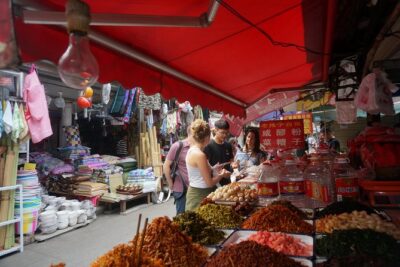
Half-Day Chengdu Cooking Class with a Local Market Visit
Read our review →

Private Half-Day Chengdu Panda Breeding Center Tour with Optional Volunteer
Read our review →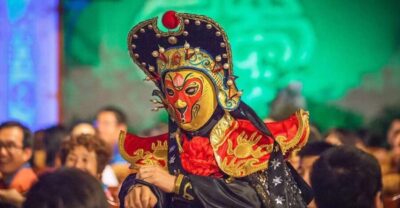
Sichuan Opera Shu Feng Yan Yun Evening Show Ticket
Read our review →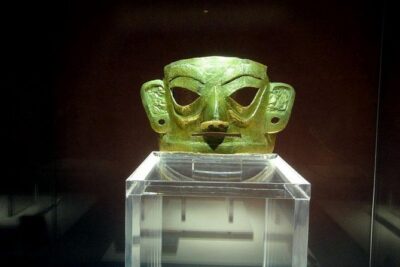
Private Chengdu Day Tour: Giant Pandas and Jinsha Site Museum
Read our review →
Visiting Dujiangyan Yaan Wolong Panda Base Optional Volunteering
Read our review →
Chengdu Sichuan Opera Show Ticket – Shu Feng Ya Yun
Read our review →Where else this tour turns up