
Reviewed · CHONGQING TOURS
Chongqing: Surreal Urban, Ancient Town, and Secret Viewpoint
Chongqing does not obey normal city rules. This 10-hour private or small-group tour takes you from a monorail running through a tower block to a cable car above the Yangtze, with old streets and local tea rooms in between. I like the mix of headline sights and quieter corners, especially Kuixing Tower and Longmenhao Old Street. I also like the flexible guides, including Diego, Hao, Linxin, Flora, and Sofia, who have helped visitors adjust the day to their interests. The main drawback is the pace: Chongqing is steep, crowded, and spread across hills, so you need comfortable shoes and some patience with traffic.
At $216 per person, this is not a bargain sightseeing bus. It is a good value if you want door-to-door transport, a guide in your language, the Yangtze cableway, the city planning gallery, and help making sense of a famously confusing city. Lunch is not included, and popular stops can be crowded, so you should decide if convenience and personal attention matter more to you than exploring independently.
In This Review
- Key points to know before you book
- Why this Chongqing day works so well
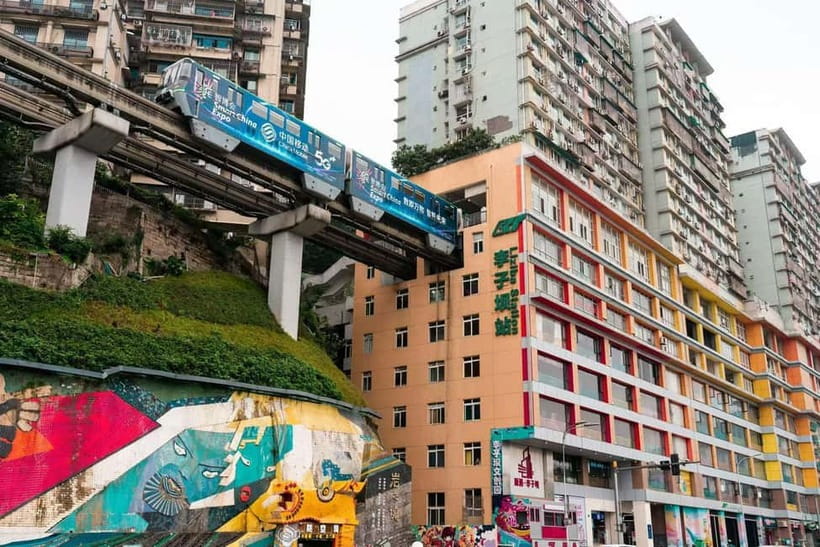
- Liziba Monorail and the train inside the tower
- Kuixing Tower and the city’s strange vertical logic
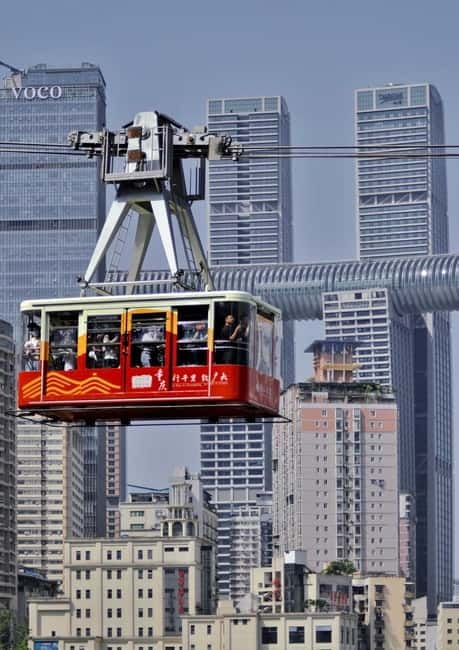
- Crossing the Yangtze by cableway
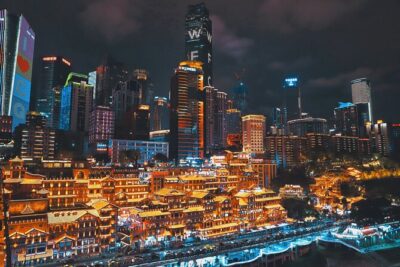
- Ciqikou Ancient Town and old port-town character
- The city planning gallery and Chongqing’s future
- Longmenhao Old Street and a slower riverfront mood
- Transport, walking, and the $216 price
- Who will get the most from this tour
- Should you book this Chongqing day?
- FAQ
- How long does the Chongqing tour last?
- Where can pickup and drop-off take place?
- How many people can join the tour?
- Which languages are available?
- Is the Yangtze River Cableway ticket included?
- Is admission to the Chongqing Urban Planning Exhibition Gallery included?
- Is lunch included?
- What should I bring?
- Can wheelchair users join?
- Can I cancel the booking for a refund?
Key points to know before you book
- Liziba Monorail passes through a residential building: You see the famous train from the viewpoint, then ride the monorail yourself.
- Kuixing Tower explains Chongqing’s 8D nickname: Its stacked streets and river views can make one city block feel like several different floors.
- The Yangtze cableway is a real city crossing: This is public transport with a sightseeing payoff, not just a theme-park ride.
- Ciqikou adds old Chongqing flavor: Its port-town past, food stalls, shops, and narrow lanes provide a change from the modern skyline.
- Longmenhao and the planning gallery slow the day down: One offers teahouses and restored buildings; the other explains the city’s ambitious growth.
- A good guide changes the feel of the day: Sofia helped visitors talk with people at Jiaotong Teahouse, while Flora steered clear of crowds and found quieter local spots.
Why this Chongqing day works so well
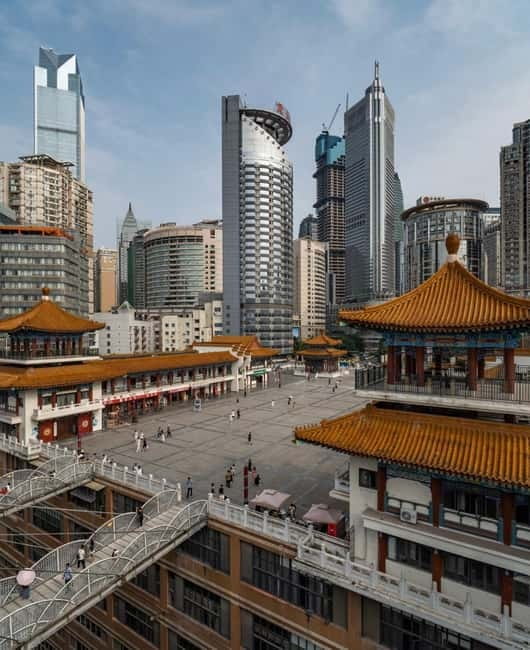
Chongqing is hard to read from a map. Rivers cut through the city, roads climb sharply, and buildings occupy different levels of the same hillside. A road that looks nearby may require a long detour, and a place that seems to be on the ground floor may actually be many stories above another street.
That is why a guided day has real value here. Your pickup and drop-off can be arranged anywhere in Chongqing city, and the group size ranges from one to twelve people. You are not simply being driven from one photo stop to another. A good guide can explain why the city feels so strange, help you find the right viewpoints, and switch to a taxi when traffic makes a private car impractical.
The guide is an important part of the purchase. Diego has been praised for being friendly, patient, and helpful in Spanish. Linxin made the day feel personal by following a visitor’s particular interests. Flora was especially good at finding quieter places and taking photos, while Sofia added local contact at Jiaotong Teahouse. These details matter because Chongqing’s best moments are not all at major attractions.
A few more to weigh up in Chongqing
- Chongqing Wulong National Park Private Tour
★ 5.0 · 87 reviews - Chongqing: Two Rivers Night Cruise- Yangtze & Jialing Rivers
★ 4.5 · 64 reviews - Chongqing deep explore & private car service including meals
★ 4.9 · 51 reviews
Liziba Monorail and the train inside the tower
Liziba is the visual hook of the day. At the famous viewpoint, you watch a monorail train appear to enter a residential building. It is the kind of scene that makes you check your eyes, then your camera, then your eyes again.
The arrangement is not a trick. The train line and building were designed together, with the station occupying part of the structure. From the viewpoint, you get the classic photograph of the train sliding into the tower while apartments rise above it.
The useful part here is that you do not only look at the monorail from below. You also ride it. That turns a quick photo stop into a proper Chongqing moment, as the train glides through the city’s dense built-up core. You get both perspectives: the outsider’s view of the train entering the building and the passenger’s view from inside the system.
Your guide can help with the timing and the best angle for photographs. Sofia, for example, helped visitors work out where to stand for the train shot. Expect other people to be doing the same thing, particularly at a popular viewing area. Keep your camera ready, but do not let the perfect photo turn the stop into a long wait.
This is one of the tour’s strongest opening sights because it quickly explains Chongqing’s unusual relationship with space. The city has made room for railways, apartments, roads, and steep hills in ways that seem impossible until you see them working together.
Kuixing Tower and the city’s strange vertical logic
Kuixing Tower offers a different kind of Chongqing surprise. It is tied to local prayers for academic success and sits in the Yuzhong District, where the city’s layers become difficult to follow.
The appeal is not just the tower itself. From here, you can look across toward the Jialing River and sense how Chongqing builds upward, downward, and sideways at once. A street that feels like ground level can open onto a high view, while another entrance may lead to what seems like a completely different floor.
This is the place where the city’s 8D nickname begins to make sense. The term refers to Chongqing’s bewildering vertical layout, not to a special ride or formal designation. You may find yourself asking if you are standing on the first floor or the twenty-second. That mild confusion is part of the fun.
Kuixing Tower also gives the day a quieter pause. After the spectacle of Liziba, you can take in the river and the older character of the district. The stop will appeal to you if you prefer understanding how a city works rather than collecting only famous photographs.
The drawback is that the viewpoint may not feel easy to navigate on your own. This is precisely where a guide helps, since the point is as much the surrounding urban arrangement as the building itself.
Crossing the Yangtze by cableway
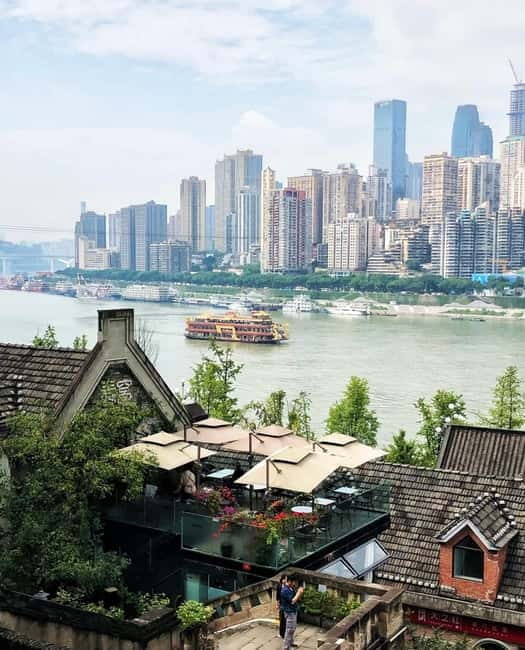
The Yangtze River Cableway is Chongqing’s most famous ride, and it earns its place on the itinerary. Locals call it the city’s air bus, a practical name for a cable car that connects the two riverbanks high above the water.
Inside the cabin, you get broad views of the Yangtze, the city skyline, and the steep terrain around the river. The perspective changes quickly. Instead of looking up at Chongqing’s towers from street level, you see how the buildings climb the hills and crowd the river edges.
I like this stop because it combines transport and sightseeing. You are not sitting in a vehicle built only for tourists. You are making a real river crossing in a way that reveals the city’s shape better than a road trip would.
Crowds are the main consideration. The cableway is an icon, and popular sights in Chongqing can be busy. Be prepared to wait or share the cabin with other passengers. The tour includes the cableway ticket, which removes one small task, but it cannot remove the city’s demand for patience.
The ride is brief compared with the full day, yet it often becomes a favorite memory. The unusual angle, the river below, and the layered skyline make it far more than a standard urban transfer.
A completely different sort of day out:
- Chongqing: 1-day Essential Guided City Tour without Car
★ 5.0 · 44 reviews - Chongqing private luxury city tour: Must-sees All in One
★ 5.0 · 39 reviews - Chongqing: Magic Night View and Secret Viewing Spots Tour
★ 5.0 · 27 reviews - Chongqing Wulong: All inclusive luxury private trip to 2 spots
★ 5.0 · 26 reviews
Ciqikou Ancient Town and old port-town character
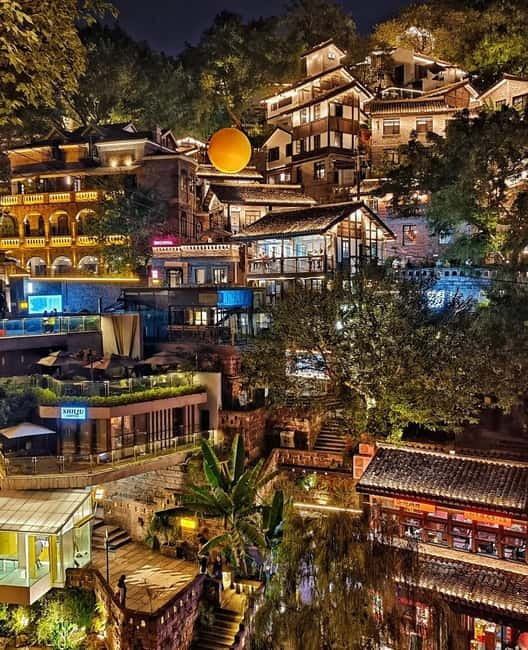
Ciqikou gives you a change of rhythm. This old town was an important port, and its lanes still carry the feel of a place shaped by trade, food, and foot traffic.
You can wander among older buildings, shops, local snacks, and narrow streets. The area is lively, and there is plenty to see, smell, and taste. It is a good place to notice details that a modern viewpoint cannot provide: shopfronts, traditional building forms, and the small negotiations of daily commerce.
Do not expect total quiet or untouched old China. Ciqikou is a popular heritage stop, so crowds are part of the setting. Some shops are aimed squarely at visitors, and you may need to look past the busiest stretches to appreciate the old town’s character.
Your included snacks and drinks fit naturally into a day like this. Lunch is not included, but your guide can recommend local specialties. That arrangement gives you some choice, though it also means you should allow time and money for your midday meal.
I would treat Ciqikou as a place to stroll rather than a checklist of buildings. Let your guide explain its role as a port town, then take time to browse. The stop works best when you accept a little noise and movement instead of expecting a quiet museum.
The city planning gallery and Chongqing’s future
The Chongqing Urban Planning Exhibition Gallery adds context to everything you have seen. Its large city model and multimedia displays show how Chongqing developed into a mountain city shaped by rivers, steep hills, dense construction, and ambitious transport planning.
This is particularly useful after Liziba and the cableway. The monorail no longer looks like an isolated oddity. The cableway becomes part of a larger story about how the city connects districts separated by water and difficult terrain.
The gallery also looks forward. Rotating displays and interactive exhibits explain plans for the city’s future, while the large model helps you see the relationship between major districts and the river system.
Do not assume this is only an indoor museum stop. The gallery offers broad skyline views, and its riverside promenade gives you room to watch boats move along the water. From there, you can photograph the contrast between high-rise buildings and steep, layered hillsides.
This part of the day is valuable for people who like urban design, transport, and city planning. If museums are not your thing, the river views still make the stop worthwhile. The main limitation is that the quality of the visit depends on how much time you want to spend with exhibits rather than outside taking photographs.
Longmenhao Old Street and a slower riverfront mood
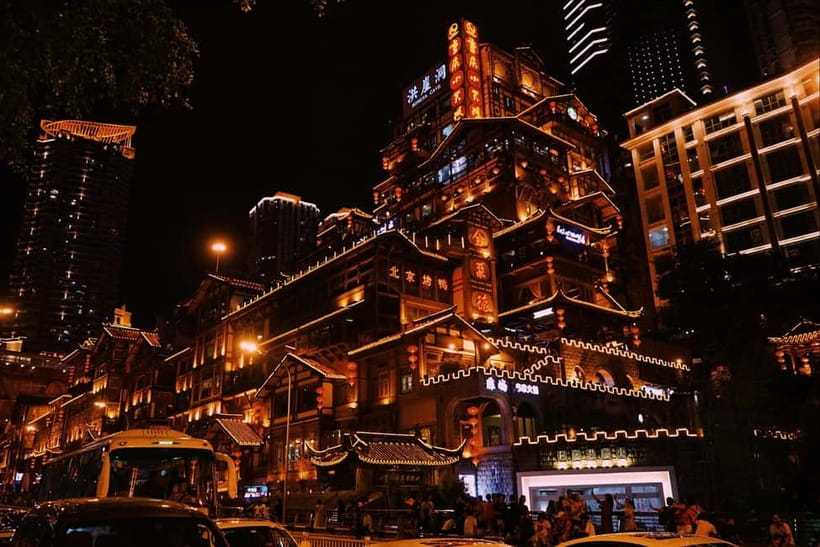
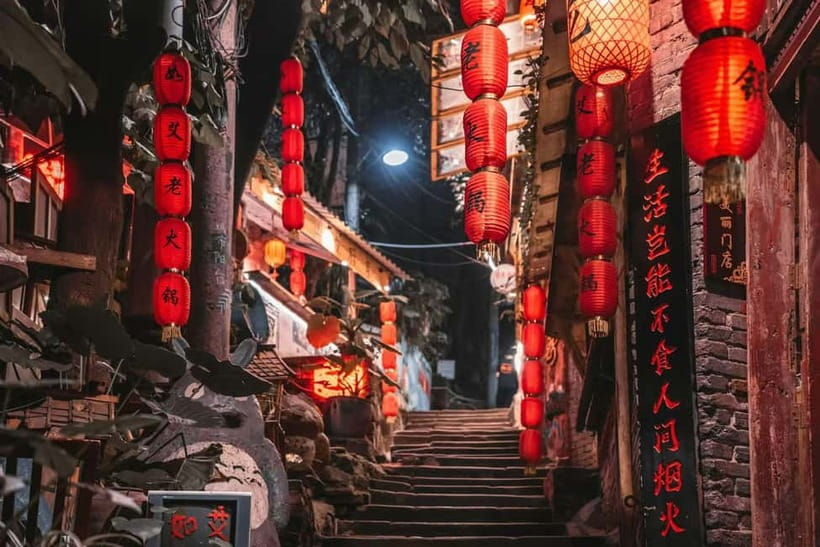
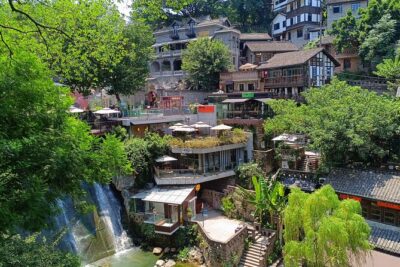
Longmenhao Old Street is one of the tour’s most appealing changes of pace. Restored buildings, old trees, local teahouses, independent bookshops, cafes, and artist studios give the area a more lived-in feel than a major sightseeing hub.
The local teahouse is especially important. This is not simply a place to take a quick photograph. At Jiaotong Teahouse, Sofia helped visitors speak with local people who were drinking tea, chatting, and playing cards. That kind of ordinary social setting can tell you more about city life than another landmark.
You may also find this stop easier on the senses after Ciqikou and the cableway. Longmenhao invites you to wander, sit, and look around. The restored buildings connect the street to Chongqing’s riverfront past, while the cafes and studios show how older spaces are being used today.
This is where the guide’s personality matters most. A guide who listens can help you spend more time on tea, books, architecture, photography, or conversation, depending on what interests you. The day is not completely fixed in spirit, even though the major stops are clear.
Transport, walking, and the $216 price
The $216 per-person cost needs to be judged against what you receive. The day lasts about ten hours and includes city pickup and drop-off, a guide in your chosen language, the Yangtze cableway ticket, the urban planning gallery ticket, and two local snacks with drinks.
For a solo visitor or a small group that wants help navigating Chongqing, the price can make sense. You are paying for local coordination in a difficult city, not only for admission tickets. The guide can also help with photographs, translation, route choices, and conversations at places such as Jiaotong Teahouse.
For a full group of twelve, the cost may feel easier to justify because the service is spread across more people. For one person, the price is much higher than using public transport and visiting a few locations independently. Independent exploration may save money, but it will require more planning and more tolerance for wrong turns.
Traffic can affect the day. In congested areas, certain transfers may use taxis instead of a private car. That is sensible in Chongqing, but you should expect some flexibility rather than a perfectly fixed road schedule.
The walking is not presented as wheelchair suitable, and the tour is specifically not suitable for wheelchair users. Comfortable shoes are essential. Bring your passport or ID card and a camera, and plan for crowds at the major stops.
Who will get the most from this tour
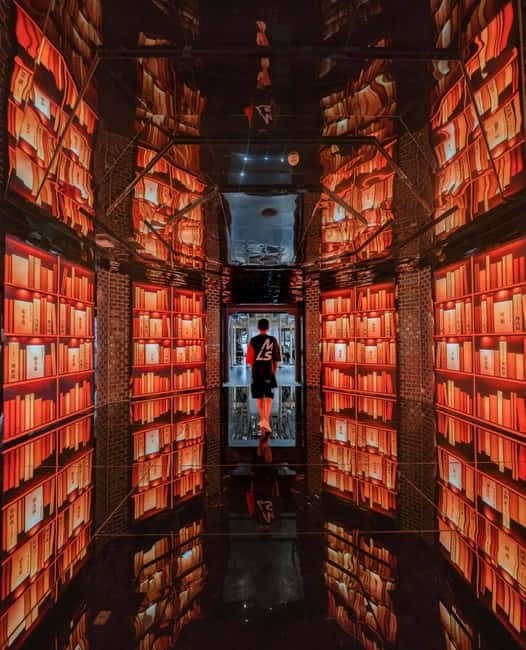
I would recommend this day if you are visiting Chongqing for a short time and want a strong first look at its modern transport, old neighborhoods, river views, and unusual city design.
It is especially suitable for:
- First-time visitors who find Chongqing’s layout confusing
- People who want a guide in English, Chinese, Spanish, Japanese, Korean, Russian, French, or Italian
- Solo visitors who want help with transport and photos
- Families who prefer a planned day, including older relatives who may benefit from attentive pacing
- Visitors who enjoy architecture, public transport, food streets, and local conversation
- Anyone who wants both famous sights and less crowded stops
It may be less suitable if you dislike a full schedule, crowded attractions, or urban sightseeing. You should also consider a self-guided plan if your priority is saving money and you are comfortable managing tickets, directions, and taxis on your own.
The strongest praise has gone to the guides’ care and flexibility. Hao took particular care of a 65-year-old family member, while Diego’s patience made a Spanish-language day feel safe and easy. Those are practical advantages, not just pleasant extras.
Should you book this Chongqing day?
Book it if you want Chongqing explained as a living city rather than a collection of strange photographs. Liziba gives you the famous visual surprise, the cableway shows the river and hills from above, Ciqikou brings old port-town life, and Longmenhao adds tea, conversation, and a slower local mood.
The price is high for independent-minded budget visitors, and lunch is extra. Still, the included tickets, long duration, city pickup, language choices, and guide support offer solid value when you have only one day or do not want to wrestle with Chongqing’s steep streets and traffic.
I would choose this tour for a first visit, particularly if you can request a guide who matches your language and interests. Bring good shoes, leave room for delays, and let the day include a little confusion. In Chongqing, getting briefly lost is often how the city makes its best impression.
FAQ
How long does the Chongqing tour last?
The tour lasts approximately 10 hours.
Where can pickup and drop-off take place?
Pickup and drop-off are available anywhere in Chongqing city.
How many people can join the tour?
The group size is from 1 to 12 people. Larger groups can ask about custom options.
Which languages are available?
Guiding is available in English, Chinese, Spanish, Japanese, Korean, Russian, French, and Italian.
Is the Yangtze River Cableway ticket included?
Yes. The Yangtze River Cableway ticket is included.
Is admission to the Chongqing Urban Planning Exhibition Gallery included?
Yes. Admission to the Chongqing Urban Planning Exhibition Gallery is included.
Is lunch included?
No. Lunch is not included, but local food recommendations are provided.
What should I bring?
Bring your passport or ID card, comfortable walking shoes, and a camera.
Can wheelchair users join?
No. The tour is not suitable for wheelchair users.
Can I cancel the booking for a refund?
You can cancel up to 24 hours in advance for a full refund.
Just added in Chongqing
- Yangtze River Cruise from Chongqing to Yichang Downstream in 4 Days 3 Nights★ 4.5 · 8 reviews
- Private Day Tour to Ciqikou, Liziba, Jiefangbei etc. in Chongqing★ 4.5 · 5 reviews
- Best of Chongqing One Day Tour: Stilwell Museum, Arhat Temple, Eling Park, Panda★ 3.5 · 2 reviews
- Private Customized Tour: Chongqing City Highlights in One Day★ 5.0 · 11 reviews
- 4D3N Victoria 5-star Yangtze Cruise★ 5.0 · 3 reviews
- Dazu Ancient Rock Carvings Private Tour Extension★ 5.0 · 24 reviews
- Private Chengdu Highlights Day Trip: Panda Base and City from Chongqing by Train★ 4.5 · 9 reviews
- Chongqing private luxury city tour: Must-sees All in One★ 5.0 · 39 reviews
Chongqing Tours, compared.
Two Rivers Night Cruise- Yangtze & Jialing Rivers
Read our review →
Chongqing deep explore & private car service including meals
Read our review →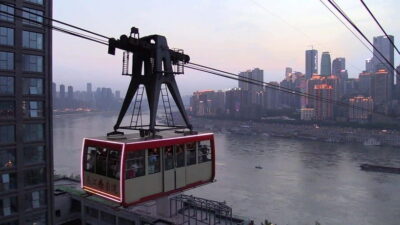
Chongqing private luxury city tour: Must-sees All in One
Read our review →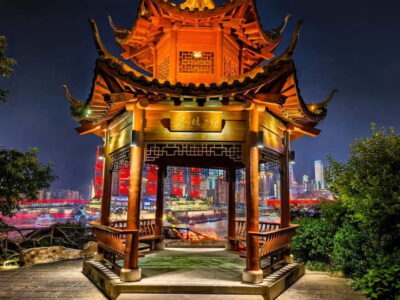
Chongqing Wulong: All inclusive luxury private trip to 2 spots
Read our review →Where else this tour turns up