
Reviewed · CHONGQING TOURS
Chongqing 1941 theatre: Tea Art Performance with Folk Art
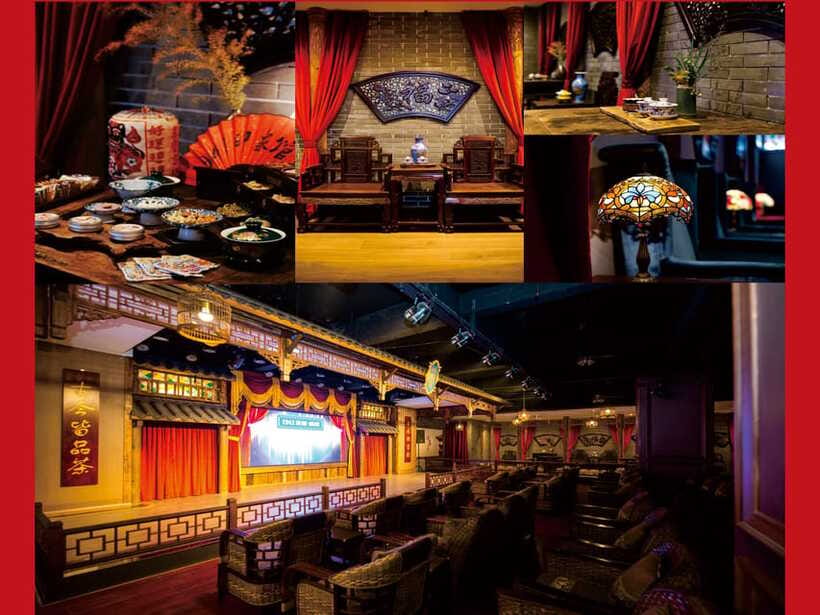
Tea, kung fu, and a very long teapot. Chongqing 1941 offers a compact introduction to Chinese stage arts, pairing a gaiwan of tea and a snack with a quick succession of folk performances. I like the variety, especially the striking 1.2-meter Long Mouth Pot Tea Art and the lively mix of opera, music, storytelling, and magic.
I also like that the show is short, indoors, and easy to fit into a busy Chongqing day. The main caution is value: $31 per person is not a bargain for 45 minutes, and one recent booking report said the theatre price was about $45 lower, though the exact local rate was not provided. Check the price at the venue before paying online if you can.
In This Review
- Key points at a glance
- What Chongqing 1941 is really offering
- Finding the theatre at Yutian Building
- Tea first, performance second
- The Long Mouth Pot Tea Art
- Sichuan drama, kung fu, and face-changing
- Pipa music and the Quyi money board
- Magic, folk customs, and the quick pace
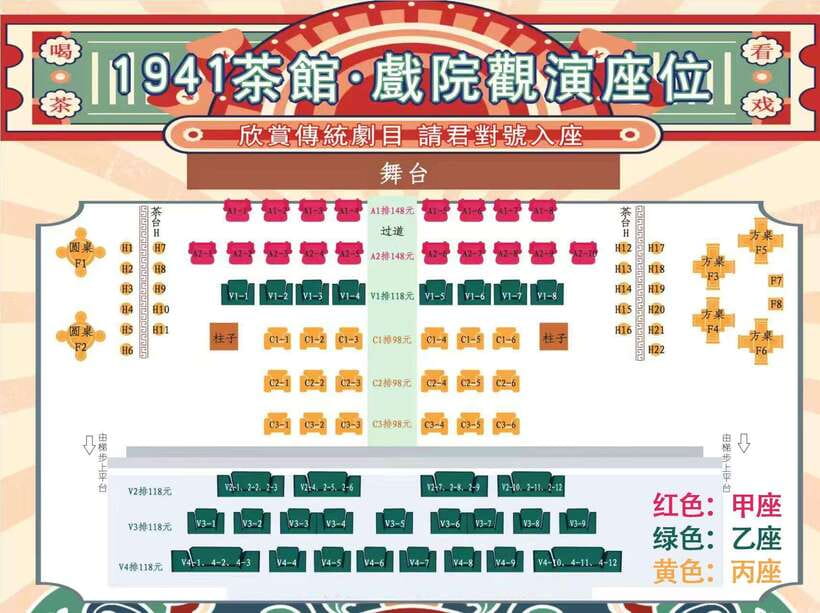
- Audience size and seating matter
- Is $31 a fair price?
- Who should book this show?
- Practical details before you go
- Should you book Chongqing 1941?
- FAQ
- How long does the Chongqing 1941 performance last?
- What is included in the ticket?
- What happens if I arrive late?
- Where is the meeting point?
- Is transportation included?
- Is the activity indoors?
- Is the venue wheelchair accessible?
- What language is used during the activity?
Key points at a glance
- The 1.2-meter teapot is the visual star: A tea artisan pours from an unusually long-spouted pot with practiced control.
- You receive tea and a small snack: The covered-bowl tea is included, but late arrivals may miss it.
- The program packs in several art forms: Expect Sichuan drama, kung fu, pipa music, magic, face-changing, folk customs, and storytelling.
- The 45-minute length suits a short cultural stop: It gives you a taste of local performance without taking up half a day.
- Front-row seats can be interactive: One audience member enjoyed frequent interaction with the performers from the front.
- Arrive 30 minutes early: The meeting point can take some finding, and tea is not provided to late arrivals.
What Chongqing 1941 is really offering
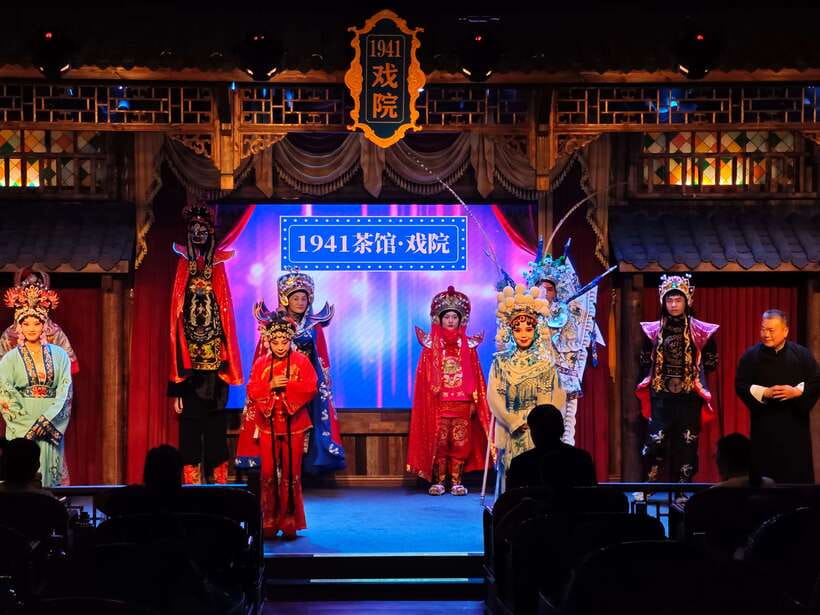
This is not a long theatrical production with one continuous plot. It is a compact variety show built around Chinese tea culture and traditional performance. You settle in with a covered bowl of tea, then watch a series of short acts that move from music to comedy, stagecraft, folk customs, and Sichuan performance.
That format matters. If you want a polished opera with a full story, this may feel too brief and simple. If you want an easy first look at several Chinese traditions in one sitting, the format works well.
The show is presented in Chinese, and the host or greeter speaks Chinese. Still, much of the program depends on movement, music, costume, visual tricks, and physical comedy rather than long spoken explanations. You do not need to understand every word to follow the broad action.
The performance takes place indoors, so it is a useful option on a rainy Chongqing afternoon or when you need a break from the city’s steep streets and crowded viewpoints. The venue is wheelchair accessible, which makes this short cultural stop practical for more people.
A few more to weigh up in Chongqing
- Chongqing Wulong National Park Private Tour
★ 5.0 · 87 reviews - Chongqing: Two Rivers Night Cruise- Yangtze & Jialing Rivers
★ 4.5 · 64 reviews - Chongqing deep explore & private car service including meals
★ 4.9 · 51 reviews
Finding the theatre at Yutian Building
The meeting point is at the garage entrance of Yutian Building, next to the time elevator. From there, you go to the eighth floor. This is the kind of address where arriving early pays off, especially if you are unfamiliar with the building.
I would allow the full requested 30 minutes before showtime. That gives you time to locate the garage entrance, find the elevator, check in with the Chinese-speaking staff, and get seated without rushing.
Do not treat the meeting point as a casual suggestion. A city theatre inside a large building can be harder to find than a landmark with a clear street entrance. Keep the address ready on your phone, and give yourself extra time if you are relying on public transport or walking through an unfamiliar part of Chongqing.
The activity does not include transportation. You make your own way to Yutian Building and return on your own after the show.
Tea first, performance second
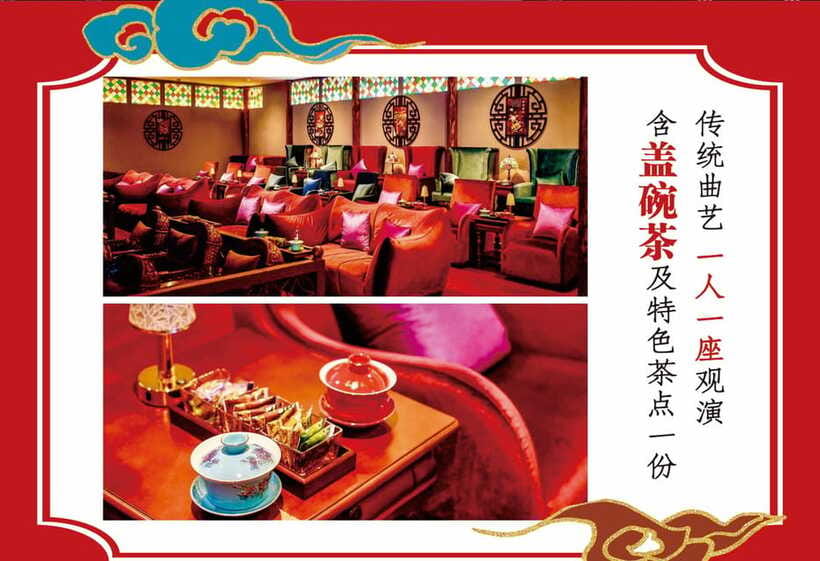
The tea service helps turn this from a standard stage show into a small cultural experience. You receive a covered bowl, known as a gaiwan, along with hot water and tea. The tea is paired with a special snack.
The covered bowl is closely tied to Chinese tea drinking. It lets you steep the leaves, use the lid to hold them back, and drink from the bowl or pour the tea into a cup. Even if you are not familiar with the method, the staff make it easy to enjoy without turning the moment into a formal lesson.
The snack is modest rather than a full refreshment. One useful expectation is that it may consist of nuts and similar small bites. I would eat before arriving if you are hungry. This is a performance with a snack, not dinner.
Arriving on time is especially important here. Tea is not provided if you arrive late. The show itself may still be worth seeing, but you would lose one of the experience’s included elements.
The tea also gives you something to do while the room fills. One audience member described being greeted, seated, and served hot water before the show began. That small welcome can make the event feel more personal, particularly when the audience is small.
The Long Mouth Pot Tea Art
The most unusual tea act uses a teapot with a spout about 1.2 meters long. This is the kind of performance that works even when language does not. The tea artisan must control the flow from a great distance, turning an ordinary act of pouring tea into a display of balance, timing, and physical precision.
You are not simply watching tea being served. The pot becomes a prop, and the pouring becomes a piece of stage movement. It is a memorable image and one of the clearest reasons to choose this particular show.
The act also gives you a practical sense of how tea can be presented as performance in Sichuan and Chongqing culture. The emphasis is on skill and visual surprise, not on a long lecture about tea production or regional history.
If you enjoy demonstrations of craft, this section is likely to be your favorite. If tea ceremony for you means a quiet, meditative tasting with detailed explanation, the quick stage format may feel less substantial.
A completely different sort of day out:
- Chongqing: 1-day Essential Guided City Tour without Car
★ 5.0 · 44 reviews - Chongqing private luxury city tour: Must-sees All in One
★ 5.0 · 39 reviews - Chongqing: Magic Night View and Secret Viewing Spots Tour
★ 5.0 · 27 reviews - Chongqing Wulong: All inclusive luxury private trip to 2 spots
★ 5.0 · 26 reviews
Sichuan drama, kung fu, and face-changing
The program includes a performance of the Sichuan drama Human Good with kung fu. The combination gives the show a more theatrical edge than a simple music recital. Expect acting, movement, and martial arts elements presented as part of a short stage piece.
The exact story may be difficult to follow if you do not speak Chinese. Even so, the physical action helps carry the scene. Kung fu gives the performance pace and makes it easier to appreciate visually.
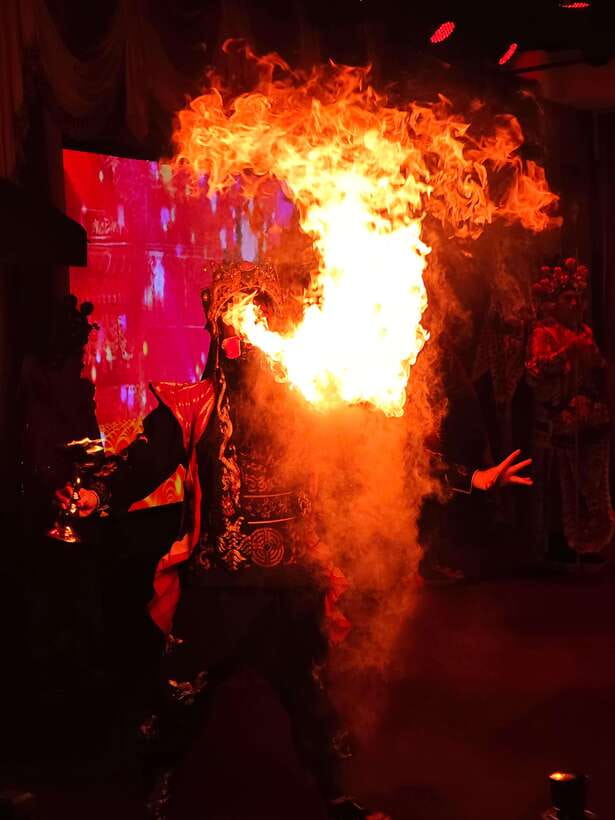
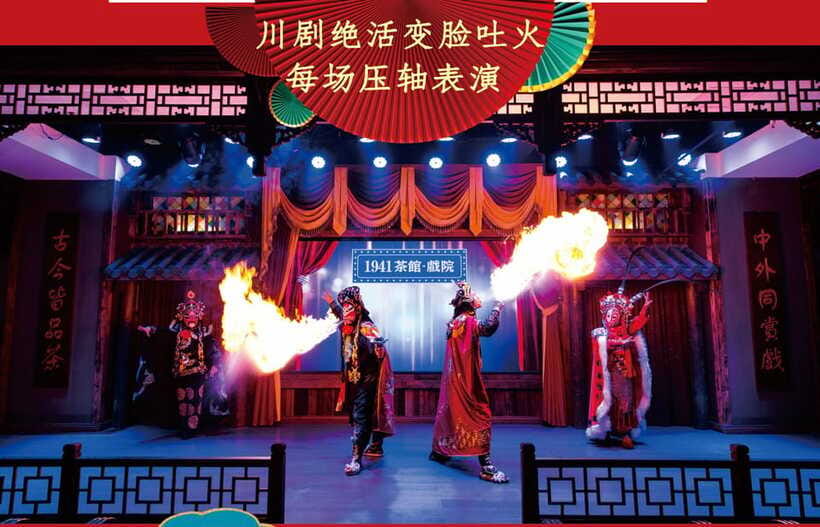
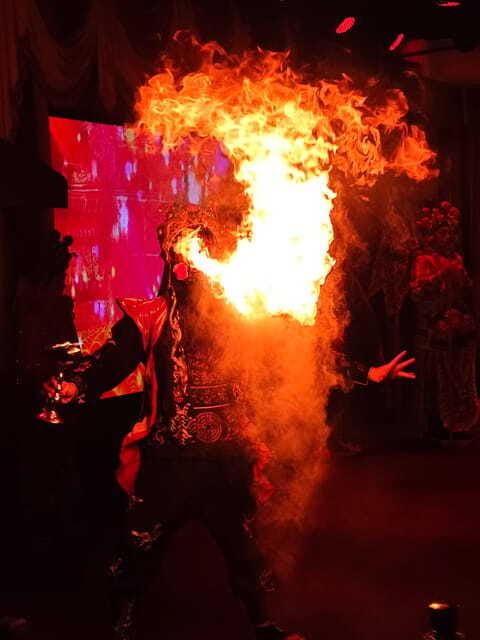
The show also includes facial makeup work and a face-changing element. Sichuan opera is well known for rapid changes of painted masks, and the effect depends on speed, secrecy, and close attention. Seeing it on stage is entertaining, but the chance to see the technique up close is even more fun.
One audience member said the highlight was possibly being allowed to touch the face of a face-changing performer. That opportunity is not guaranteed, so do not book the show expecting personal contact. Still, the possibility adds a playful, interactive note to the experience.
The front row may offer the best chance of interaction. It can also put you directly in the performers’ line of sight, which is good if you enjoy participation and less appealing if you prefer to sit quietly in the back.
Pipa music and the Quyi money board
The pipa performance brings a change of mood. The pipa is a traditional Chinese lute, and its sound can move from delicate plucking to fast, ringing passages. The program describes the music as beautiful and sonorous, with interwoven sounds that give the act a fuller feel than a solo instrument might suggest.
This is a good reminder that the show is not built only around visual stunts. Music gives the program a calmer section and lets you hear a traditional instrument in a live setting.
Another act uses the Quyi money board, a folk performance style combining singing and storytelling. The performer uses rhythm, voice, and a small percussion instrument to support the tale. As with the opera section, the Chinese language will limit your understanding of the story, but the timing and musical delivery remain accessible.
For me, these two acts help prevent the performance from becoming a string of unrelated tricks. The pipa offers instrumental beauty, while the money board shows how Chinese folk entertainment can combine narrative and rhythm.
Magic, folk customs, and the quick pace
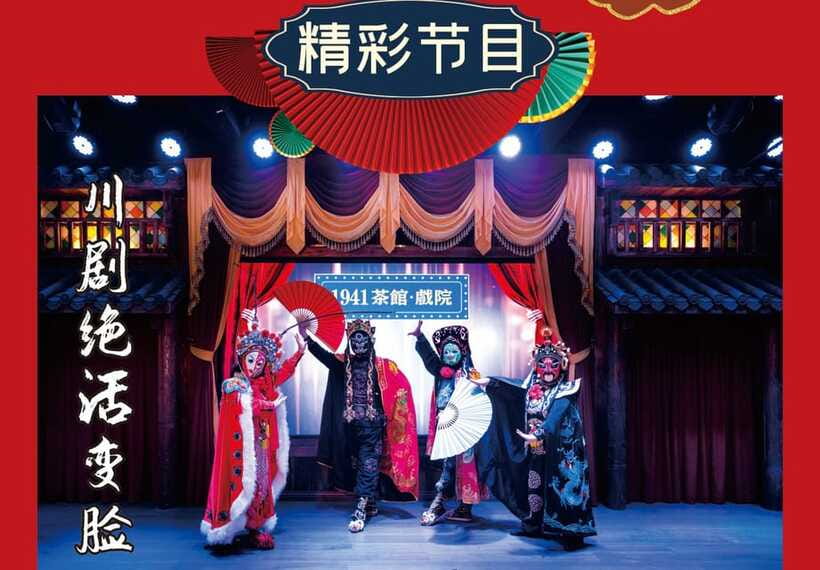
The show also includes magic tricks, folk customs, and other traditional music or opera segments. The exact order can vary, and the presentation is best viewed as a rotating selection rather than a fixed dramatic program.
The quick pace is one of the event’s strengths. You are unlikely to spend 20 minutes waiting for a single act to develop. A short performance follows another, giving you repeated changes of sound, costume, movement, and mood.
The tradeoff is depth. Forty-five minutes is enough to introduce several forms, but not enough to explain each one in detail. You will leave with impressions and favorite moments rather than a full lesson in Sichuan theatre.
That makes this a good companion to a wider Chongqing visit. You can see the show, enjoy the tea, and then continue with your day. I would not make it the only cultural activity you do in the city, but it can add local stage traditions to a schedule otherwise filled with food, architecture, and city views.
Audience size and seating matter
The atmosphere may depend on how full the room is. One performance had a small audience, which made the room feel less lively, but it also meant the performers could give more direct attention to the people present.
A small crowd can be a benefit if you like interaction. The front-row experience included frequent exchanges with the performers, and the audience was invited to take photos with them after the show. That photo opportunity is worth taking if it is offered.
At the same time, a thin audience can make a short show feel even shorter. The energy of a variety performance often comes from the reaction between the stage and the room. If you are expecting a packed theatre with a grand, high-production atmosphere, keep your expectations modest.
The performance appears to suit people who enjoy informal cultural entertainment more than formal concert etiquette. Children may appreciate the visual comedy, magic, kung fu, and face-changing. Adults who want context should consider pairing it with a museum visit, guided city walk, or reading about Sichuan opera before attending.
Is $31 a fair price?
At $31 per person, the price is reasonable only if you value convenience and the included tea and snack. The show lasts 45 minutes, which works out to about $41 per hour before considering the refreshments. That is a noticeable price for a short program.
The calculation changes if the online booking saves you time, gives you a guaranteed place, or fits neatly into your schedule. It also changes if you particularly want the tea performance, face-changing, and front-row interaction rather than a general sightseeing stop.
Still, I would compare the online price with the theatre’s direct price before booking. A recent customer reported saving about $45 by buying at the venue, but the exact local price was not stated. Since that difference is much larger than a small booking fee, checking in person or asking your hotel to confirm the current rate could be worthwhile.
The included tea and snack add some value, but they are small portions. Do not think of them as a meal or as an elaborate private tea ceremony.
Who should book this show?
I would recommend it to you if you want a short, accessible introduction to Chinese folk arts and do not need a detailed English explanation. The combination of tea, pipa, opera, kung fu, magic, storytelling, and face-changing gives you plenty of variety in less than an hour.
It is also a good choice for families, first-time visitors to Chongqing, and anyone looking for an indoor activity. The wheelchair-accessible venue is helpful, and the 45-minute length is easier to manage than a long evening performance.
I would be more cautious if you are a serious tea enthusiast, a dedicated opera fan, or someone seeking a full-length theatrical production. The experience offers samples rather than deep study.
Language is another factor. Since the host and presentation are in Chinese, you will get the most from the visual and musical acts. The spoken storytelling and drama may be harder to follow, though the stage action still gives you a general sense of what is happening.
Practical details before you go
The activity costs $31 per person and lasts 45 minutes. The ticket includes the traditional performance, one covered-bowl tea, and one special snack.
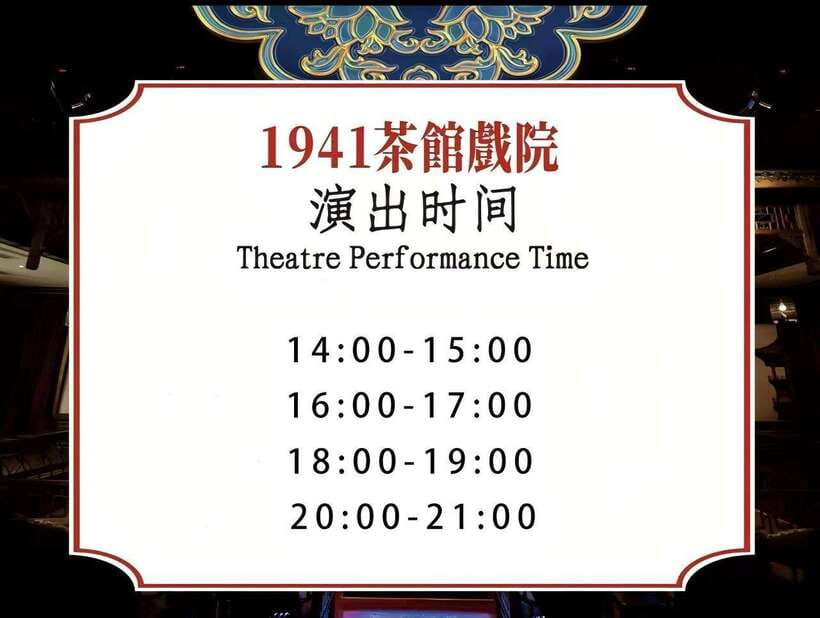
Arrive 30 minutes early at the garage entrance of Yutian Building, beside the time elevator, then go to the eighth floor. The activity is indoors, and transportation is not included.
Cancellation is free up to 24 hours before the start time for a full refund. You can also reserve now and pay later, which helps if your Chongqing schedule is still shifting.
The host or greeter speaks Chinese, and the activity is wheelchair accessible. If you arrive late, you may still see the performance, but tea will not be provided.
Should you book Chongqing 1941?
Book it if you want a compact sampler of Chongqing and Sichuan stage traditions, especially the long-spout tea pouring, face-changing, and kung fu. The show’s variety, friendly interaction, and included tea make it more interesting than a plain concert.
Skip it if $31 feels high for 45 minutes or if you want a full opera production with translation and detailed cultural explanation. Before paying, compare the online price with the theatre’s direct rate. If the cost is close and you arrive early, this is a pleasant, easy cultural stop. If the difference is large, buy locally and put the savings toward a better meal afterward.
FAQ
How long does the Chongqing 1941 performance last?
The performance lasts 45 minutes.
What is included in the ticket?
The ticket includes one traditional performance ticket, one covered-bowl tea, and one special snack.
What happens if I arrive late?
Tea will not be provided if you arrive late. Arriving 30 minutes before the start is recommended.
Where is the meeting point?
Meet at the garage entrance of Yutian Building, next to the time elevator. The theatre is on the eighth floor.
Is transportation included?
No. Transportation to and from the activity is not included.
Is the activity indoors?
Yes. The performance takes place indoors.
Is the venue wheelchair accessible?
Yes, the activity is wheelchair accessible.
What language is used during the activity?
The host or greeter speaks Chinese, and the activity language is Chinese. Much of the show can still be followed through music, movement, visual tricks, and stage action.
Just added in Chongqing
- Yangtze River Cruise from Chongqing to Yichang Downstream in 4 Days 3 Nights★ 4.5 · 8 reviews
- Private Day Tour to Ciqikou, Liziba, Jiefangbei etc. in Chongqing★ 4.5 · 5 reviews
- Best of Chongqing One Day Tour: Stilwell Museum, Arhat Temple, Eling Park, Panda★ 3.5 · 2 reviews
- Private Customized Tour: Chongqing City Highlights in One Day★ 5.0 · 11 reviews
- 4D3N Victoria 5-star Yangtze Cruise★ 5.0 · 3 reviews
- Dazu Ancient Rock Carvings Private Tour Extension★ 5.0 · 24 reviews
- Private Chengdu Highlights Day Trip: Panda Base and City from Chongqing by Train★ 4.5 · 9 reviews
- Chongqing private luxury city tour: Must-sees All in One★ 5.0 · 39 reviews
Chongqing Tours, compared.


Two Rivers Night Cruise- Yangtze & Jialing Rivers
Read our review →
Chongqing deep explore & private car service including meals
Read our review →

Chongqing private luxury city tour: Must-sees All in One
Read our review →
Chongqing Wulong: All inclusive luxury private trip to 2 spots
Read our review →Where else this tour turns up