
Reviewed · BULLET TRAIN DAY TRIPS
Beijing:Bullet Train Tour to Hanging Temple&Yungang Grottoes
Ancient wonders make the long day worthwhile. This private trip gives you a practical way to visit two major Datong sights from Beijing, with round-trip bullet train tickets, station transfers, a private vehicle, entrance fees, and guides handled for you. I especially like the contrast between the Hanging Temple’s cliffside construction and the immense Buddhist sculptures at Yungang Grottoes.
I also like the help at both railway stations. A driver takes you from your Beijing hotel to the correct waiting area, checks that your tickets are in order, and meets you again after the return train. The drawback is the pace: this is a 10 to 13-hour day, with about two hours on the train each way and roughly 1.5 hours by road between Datong’s main sights.
In This Review
- Key points to know before booking
- Why this Beijing day trip works
- Leaving Beijing by bullet train
- The Hanging Temple and its cliffside walkways
- The 1.5-hour ride to Yungang Grottoes
- Yungang Grottoes: the day’s major cultural stop
- Private guiding makes the history easier to follow
- What the 348 USD price really covers
- Who should book this experience?
- Final verdict: a strong day trip with a demanding timetable
- FAQ
- How long does the Beijing to Datong tour take?
- Is transportation included?
- Are entrance fees included?
- Is the tour private?
- What languages are available for the guide?
- Do I need to bring identification?
- Is food included?
Key points to know before booking
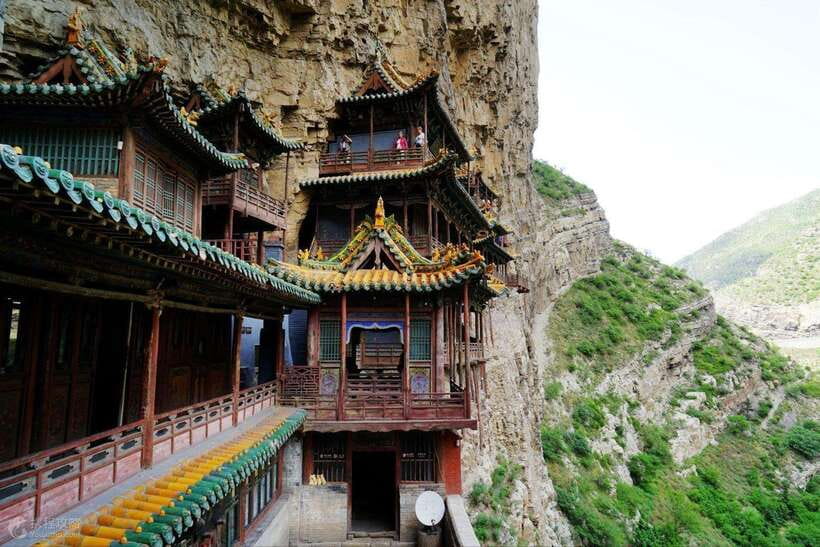
- The Hanging Temple was built in 491 A.D. and sits more than 50 meters above the ground on a cliff in Jinxia Gorge.
- Yungang Grottoes contains 252 caves and about 51,000 statues, making it the bigger and more substantial stop.
- The bullet train removes much of the transport hassle, especially for a first visit to China.
- You have separate local support in Datong, with a guide meeting you at the station and a driver taking you between the sights.
- The tour is private, and guides are available in English or Chinese.
- Check the deposit terms carefully, since the supplied details list both 50 USD and 100 USD per person.
Why this Beijing day trip works
Datong is far enough from Beijing to make independent planning awkward, but close enough by high-speed rail to visit in one long day. The train covers the main distance quickly, while the private car handles the road journey from Datong station to the two sights.
That combination is the main reason I see value here. You are not spending the whole day on a coach or trying to match local buses to fixed opening times. You have one company handling the Beijing hotel pickup, train station transfer, Datong meeting point, sightseeing car, and return to your hotel.
The price is listed at 348 USD per person. That is not a cheap day out, especially for one person, but the price includes private transport, professional guides, entrance fees, and return bullet train tickets. For a couple or small group, the convenience becomes easier to justify. You are paying for coordination as much as for the sights.
The day is best for a first visit. If Datong is a major priority, I would rather spend a night there and allow more time. If you have limited time in Beijing and want one ambitious excursion beyond the capital, this trip makes sense.
More Bullet Train Day Trips in Beijing
- Beijing to Xi’an See Terracotta Warriors with Bullet Train Round Trip Transfer
★ 5.0 · 238 reviews - Beijing to Datong See YunGang Cave, Hanging Temple (Bullet Train)
★ 5.0 · 39 reviews - Private Day Trip to Tianjin from Beijing by Bullet Train
★ 5.0 · 22 reviews
Leaving Beijing by bullet train
Your Beijing driver meets you in the lobby of your downtown hotel, holding a sign with your name. The driver takes you to the railway station and accompanies you to the correct waiting area. This matters more than it might sound. Large Chinese railway stations can feel confusing when you are working out ticket gates, waiting rooms, and departure information in a hurry.
You then take the roughly two-hour bullet train ride to Datong on your own. The tour provides the train tickets, but the ride itself is not guided. Use that time to rest, watch the countryside pass, or keep your phone charged for the long sightseeing day ahead.
A passport or ID card is required. The operator also asks for a photocopy of each person’s passport to buy the tickets. Send those documents promptly after booking, since rail arrangements depend on them.
Once you reach Datong, your local guide meets you at the station. The guide goes over the plan while you travel to the first sight. This split between Beijing station support and a Datong guide is useful. You do not have to rely on one person to manage every part of the day from start to finish.
The Hanging Temple and its cliffside walkways
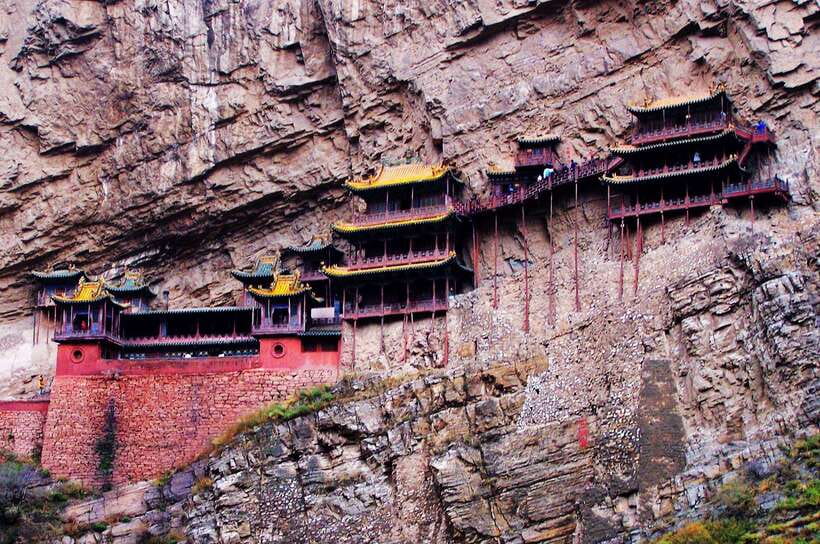
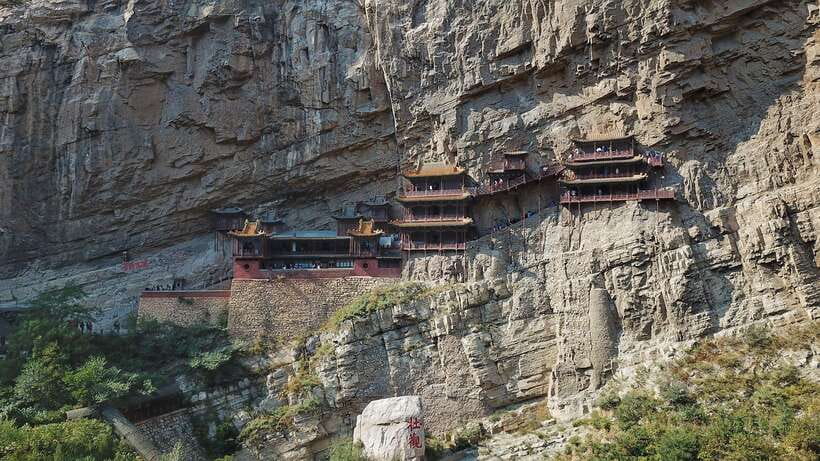
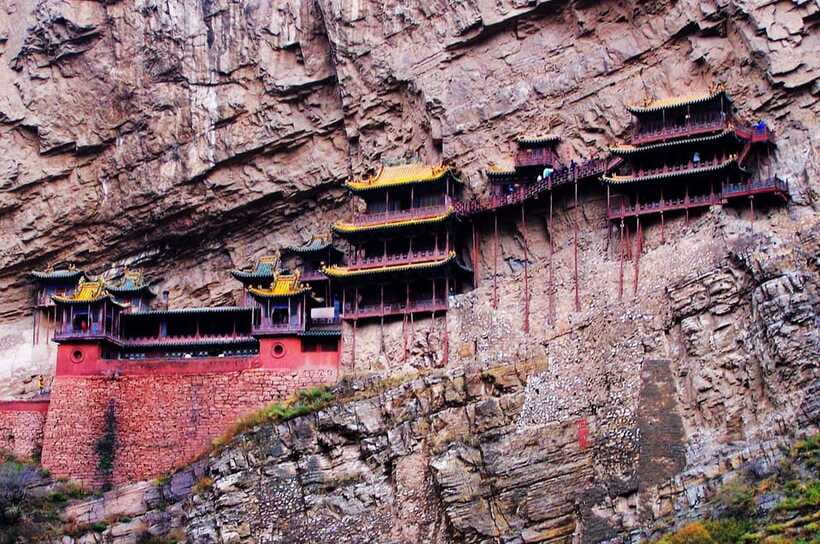
The Hanging Temple, also called Xuankong Temple, is the first major stop. Built in 491 A.D., it is attached to the west cliff of Jinxia Gorge, more than 50 meters above the ground. Its setting is the chief attraction, but the building itself is the real puzzle: halls, walkways, and supports are fitted into the rock face in a compact vertical arrangement.
The temple is unusual for another reason. It has hosted Taoist, Confucian, and Buddhist worship, bringing three traditions together in one mountain complex. Your guide explains the religious background and the stories connected with the site, which gives the visit more shape than simply stopping for a photograph.
I would plan to follow the guide closely here. The routes are raised, and some people may feel uneasy with the height. One guide, Emma, was praised for keeping a nervous visitor safe and comfortable during the temple visit. That is a useful reminder that the experience is not only about seeing the structure from below. You may also walk through its elevated sections, so your comfort with heights matters.
The Hanging Temple is a strong photo stop. From below, the buildings appear almost suspended against the cliff. From the walkways, you get a closer look at the construction and the narrow relationship between the temple and the rock face.
Do not expect a long, relaxed temple visit with broad open rooms. The site is compact, vertical, and focused on engineering, religious purpose, and the view. If you dislike heights or crowded elevated paths, you may prefer to admire part of it from ground level.
The 1.5-hour ride to Yungang Grottoes
After the Hanging Temple, the private vehicle takes you toward Yungang Grottoes. The drive is listed at about 1.5 hours, so this is the day’s main road transfer. It is also why the private car matters. You can sit back between the two sights instead of changing buses or trying to arrange a second journey in Datong.
The long gap gives the day a clear rhythm: dramatic architecture first, then a much larger art site. It also means you should be ready for a full day. The tour description gives a 10-hour duration, but the practical total can reach 13 hours once hotel transfers, train schedules, and road travel are counted.
I would bring water, a small snack, and comfortable shoes. Bottled water is included, but food is listed as not included. Some people had an excellent freshly prepared lunch during their outing, yet the written inclusions do not promise a meal. Ask the operator before departure if lunch is part of your specific booking, and do not assume it is covered by the price.
More Train Trips in Beijing
- Beijing: Xi’an Terracotta Tour by Train-All Tickets Included
★ 5.0 · 27 reviews - Private Day Trip: Discover Tianjin by Bullet Train from Beijing
★ 5.0 · 14 reviews - Beijing to Xi’an Terracotta Tour by Roundtrip Bullet Train
★ 4.8 · 13 reviews - Beijing to Shanghai Bullet Train Ticket with South Railway Station Transfer
★ 5.0 · 11 reviews
Yungang Grottoes: the day’s major cultural stop
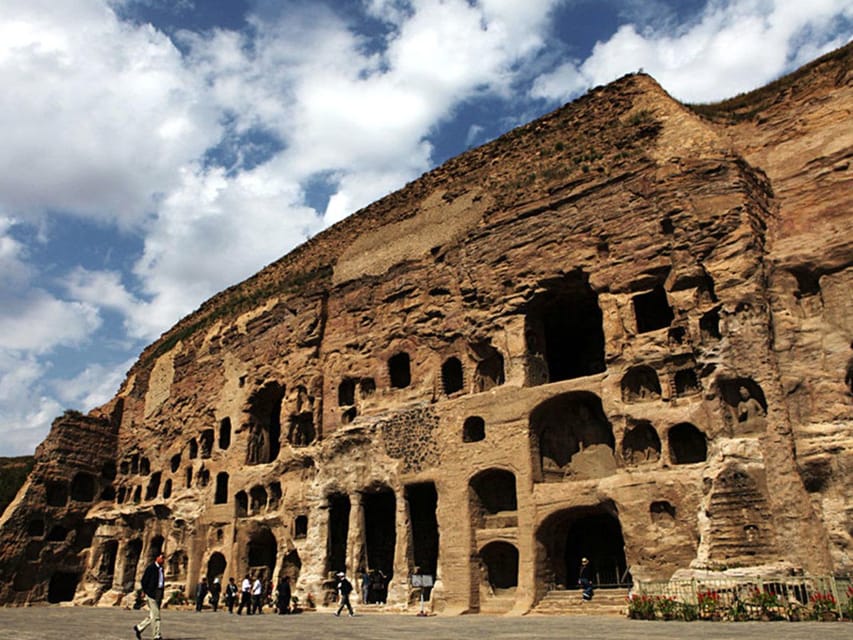
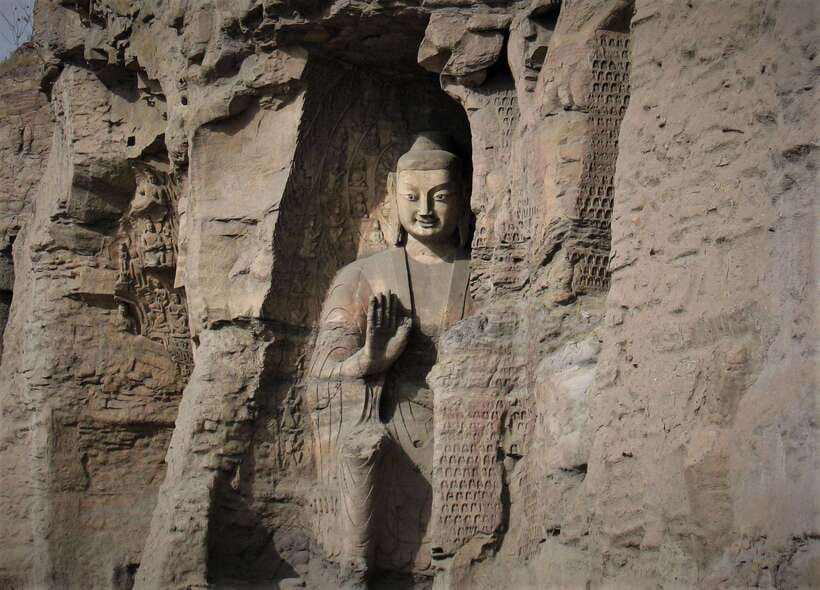
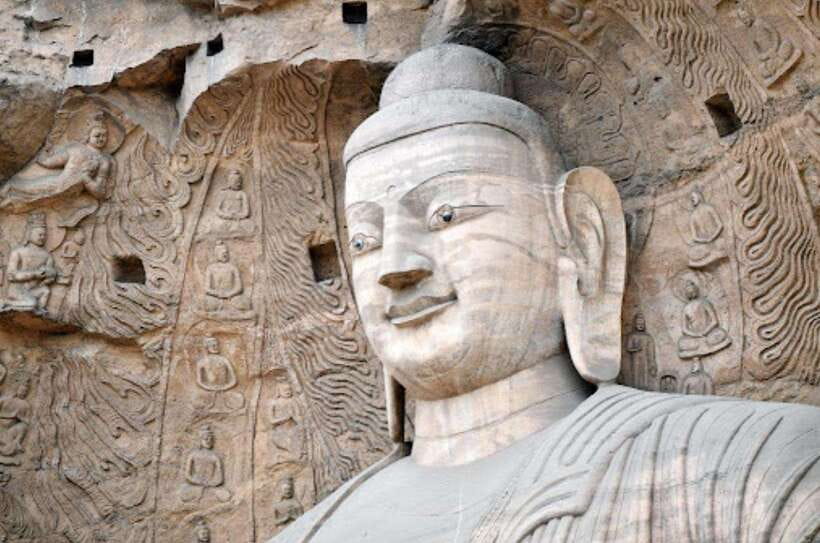
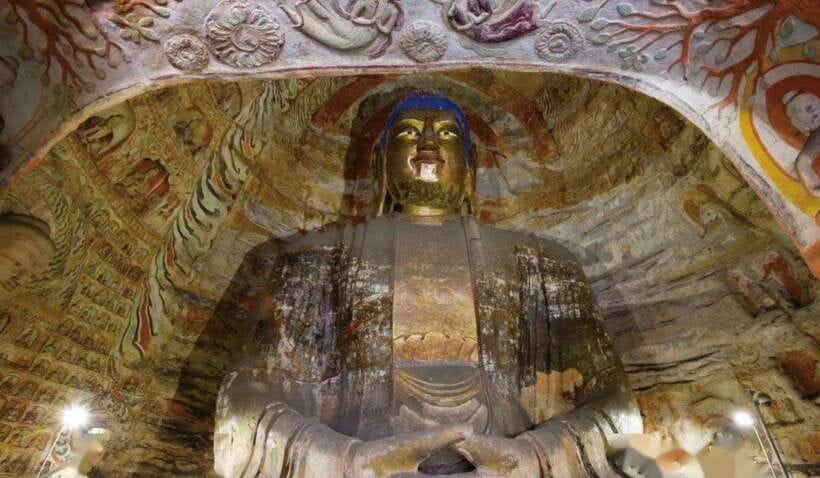
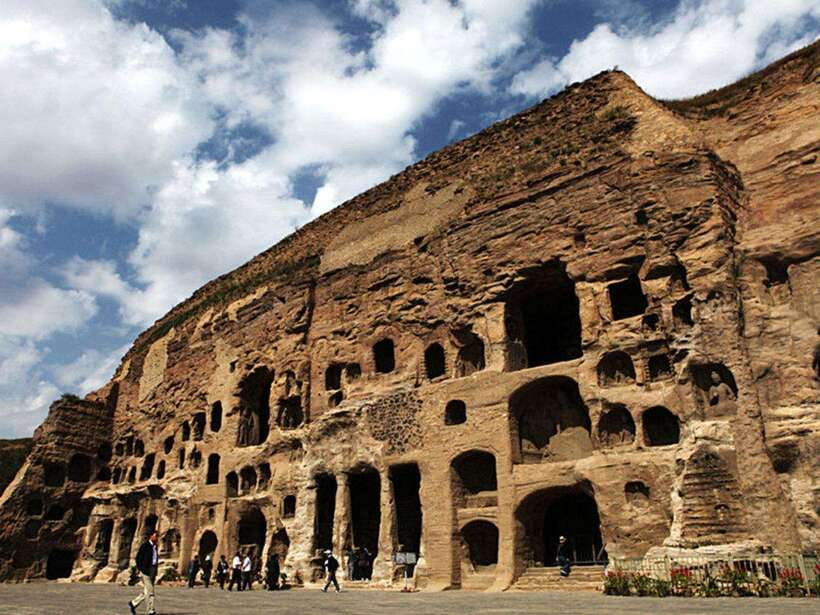
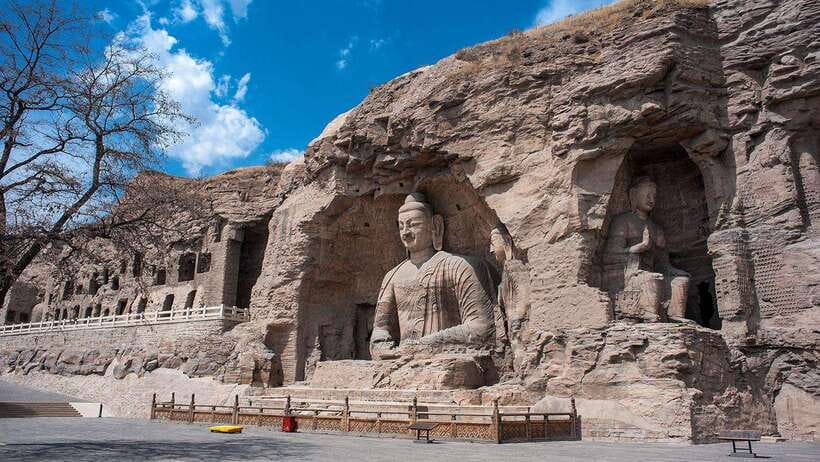
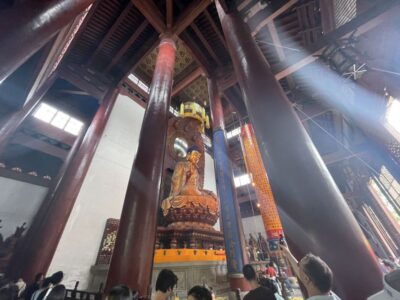
Yungang Grottoes is a UNESCO World Cultural Heritage site and, for many people, the main reason to make the trip. The complex contains 252 caves and about 51,000 statues, carved and painted beginning in the fifth century under imperial support.
The art shows the meeting of Buddhist forms from south and central Asia with Chinese traditions. That makes Yungang more than a collection of old carvings. The caves record how religious ideas, artistic styles, and political power came together in early Chinese history.
Your guide provides context as you move through the site. That is important because the scale can be hard to grasp on your own. A quick look at one cave may impress you, but an explanation of the figures, the cave program, and the changes in style helps you understand why the grottoes are considered one of China’s three great cave-art groups, alongside Mogao in Dunhuang and Longmen in Henan.
The visit also gives you time for close observation and photographs. Expect a visual shift from the Hanging Temple’s vertical construction to carved interiors and monumental Buddhist figures. The grottoes are the more substantial stop, so I would save energy for this part of the afternoon.
The supplied information does not give an exact amount of time inside Yungang. Your guide sets the practical schedule based on the train departure and the day’s traffic. If you want a slow, research-heavy visit to every cave, a one-day Beijing excursion may feel rushed. If you want a strong first look with expert explanation, the arrangement is more suitable.
Private guiding makes the history easier to follow
The tour offers English and Chinese guides, with a private group rather than a large shared coach. That gives you room to ask questions and adjust the pace within the limits of the train timetable.
Several guides received especially warm praise. Ana was described as excellent at explaining the grottoes and the Hanging Temple, while Emma was praised for both historical explanations and careful help at the elevated temple. Another detailed account described the day as well organized from the first Beijing pickup to the final drop-off, with separate station drivers and a Datong driver.
Those details point to the tour’s strongest feature: the handoffs are planned. A Beijing driver takes you to the train, a Datong guide meets you, and a local driver handles the sightseeing route. At the end, you return to Datong station, take the train back to Beijing, and meet another driver for the ride to your hotel.
That is a lot of moving parts for one day. Having people assigned to each stage can prevent small problems from becoming major ones. Still, you should keep your passport, phone, and booking information easy to reach, and pay attention to the return train time.
What the 348 USD price really covers
At 348 USD per person, the tour costs more than arranging only a train ticket and visiting one attraction independently. The value comes from what is bundled into the day:
- Round-trip bullet train tickets
- Beijing hotel pickup and drop-off
- Datong railway station pickup
- Private vehicle during the sightseeing day
- Professional guide
- Entrance fees
- Bottled water
- Private tour arrangement
Food is not included in the stated package. Since one account describes a tasty, freshly prepared lunch, I would confirm the meal arrangement before booking rather than rely on an informal expectation.
The deposit information needs clarification too. One section says 100 USD per person, while the important information says 50 USD per person. The deposit is refunded on the tour day, but if train tickets have already been purchased and you cancel, the deposit is not refundable. Ask the provider which amount applies to your booking and how the refund is handled.
Free cancellation is available up to 24 hours in advance for a full refund, according to the booking terms. The train-ticket deposit is the exception once tickets have been purchased, so read that condition carefully.
Who should book this experience?
I would recommend it to a first-time visitor who wants to see important sites outside Beijing without arranging Chinese rail travel, road transport, and entrance tickets alone. It also suits couples, families with older children, and anyone who values a private guide over the lowest possible price.
The tour is especially helpful if you are uneasy about railway stations or cannot read Chinese signs. The station escort at both ends removes much of the guesswork.
You should think twice if you prefer slow travel. The itinerary is packed, the train ride is fixed, and the road transfer between the sights takes about 1.5 hours. People who want extensive time at Yungang, a relaxed meal, or extra exploration in Datong would be better served by staying overnight.
The Hanging Temple also deserves a quick personal check before you book. If heights are a serious concern, tell the guide in advance and ask what parts of the visit you can comfortably skip. You can still gain a lot from the site, but its appeal depends partly on being willing to approach its cliffside sections.
Final verdict: a strong day trip with a demanding timetable
I would book this tour if I had only a few days in Beijing and wanted one major excursion into northern China. The Hanging Temple offers the memorable photo and engineering surprise, while Yungang Grottoes supplies the deeper cultural and artistic experience.
The best reasons to choose it are the private transport, station assistance, included tickets, and strong guide support. The main costs are money, an early and lengthy day, and limited freedom to linger.
Before paying, confirm the deposit amount, return train timing, and lunch arrangements. If those details suit you, this is a well-planned introduction to Datong’s two headline sights, with enough explanation to make the journey worthwhile rather than just another long day on the road.
FAQ
How long does the Beijing to Datong tour take?
The listed duration is 10 hours, but the practical day may last 10 to 13 hours because it includes hotel transfers, train travel, sightseeing, road transfers, and the return trip.
Is transportation included?
Yes. The package includes Beijing hotel pickup and drop-off, round-trip bullet train tickets, a private vehicle in Datong, and railway station transfers.
Are entrance fees included?
Yes. Entrance fees for the Hanging Temple and Yungang Grottoes are included.
Is the tour private?
Yes. It is arranged as a private group tour rather than a shared group excursion.
What languages are available for the guide?
Guiding is available in English and Chinese.
Do I need to bring identification?
Yes. You need your passport or ID card. A photocopy of each person’s passport is also required for train-ticket purchases.
Is food included?
Food is listed as not included. Some tour experiences included lunch, so confirm the meal arrangement with the provider before booking.
Just added in Beijing
- Private Transfer to Mutianyu Great Wall with professional driver★ 5.0 · 19 reviews
- One day tour to downtown Tianjin from Beijing by high speed train★ 5.0 · 3 reviews
- ZANBUS: Trip to the Jinshanling Great Wall Departing at 7:30 AM★ 5.0 · 5 reviews
- camp on the Great Wall overnight with sunrise and sunset on the wall★ 5.0 · 11 reviews
- Yuxiandu Chinese Royal Cuisine Museum with Show and Royal Banquet★ 5.0 · 4 reviews
- Wild Great Wall Hikes★ 5.0 · 10 reviews
- BusDa:Ancient Great Wall &Badaling Great Wall Full-day Bus Tour★ 4.5 · 6 reviews
- Wild Great Wall Huanghuacheng Half Day Tour★ 5.0 · 15 reviews
Bullet Train Day Trips, compared.
Suzhou Private Day Trip from Shanghai with Bullet Train Option
Read our review →
Private Suzhou Day Trip from Shanghai by Bullet Train with All Inclusive Option
Read our review →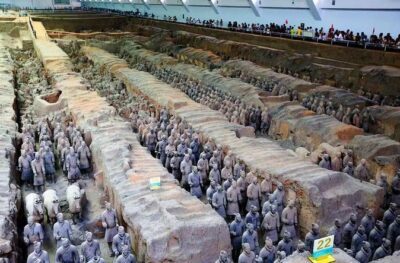
Beijing to Xi’an See Terracotta Warriors with Bullet Train Round Trip Transfer
Read our review →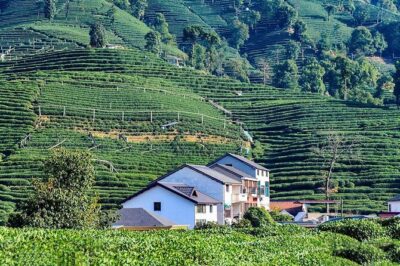
Flexible Hangzhou Private Tour from Shanghai by Bullet Train
Read our review →
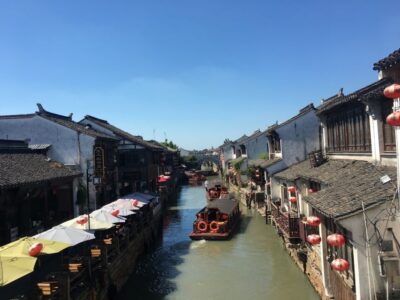
Private Guided Tour to Hangzhou by Bullet Train
Read our review →Where else this tour turns up