Reviewed · BEIJING TOURS
Beijing: Imperial Cuisine Experience & Cultural Performance
Dinner becomes part of the show. Beijing’s Yuxiandu Imperial Cuisine Museum combines a museum of Chinese court food with a staged cultural performance and a long royal-style meal. I like the palace setting, which gives dinner a sense of occasion, and the collection of more than 1,000 historic utensils and documents, which adds meaning to the food. The main drawback is the price: at $137 per person, this is a special-night splurge, not a cheap meal.
The program runs about three to four hours and includes both the meal and performance. I also like the chance to sample several famous Chinese dishes in one sitting, from roast duck with jujube wood to braised sea cucumber with fish maw. Keep in mind that traditional clothing and makeup are not included, so the royal transformation stops at the dining table.
In This Review
- Key points at a glance
- What the Yuxiandu experience is really about
- Entering five millennia of imperial food culture
- The palace-style dining room and its theatrical mood
- The meal: nine different ways to taste court-style dining
- The cultural performance gives dinner its rhythm
- Is $137 a fair price in Beijing?
- Who will enjoy this three to four hour program?
- Practical timing for lunch and dinner
- My verdict: book it for the whole package
- FAQ
- Where is the Yuxiandu Imperial Cuisine Museum?
- How long does the experience last?
- How much does the experience cost?
- What is included?
- Are traditional clothing and makeup included?
- What time does dinner ticket checking begin?
- What time does lunch ticket checking begin?
- Is the QR code from the booking platform the actual ticket?
- Is the venue wheelchair accessible?
Key points at a glance
- More than 1,000 historic objects: The museum uses utensils and documents to explain how court food changed across five millennia.
- A full royal-style menu: Expect multiple courses, including roast duck, sea cucumber, lamb, longevity noodles, tofu, bamboo shoots, and Chinese desserts.
- The performance is a major draw: Music, dance, traditional costumes, colors, and historical scenes give the meal its theatrical shape.
- Precise arrival times matter: Lunch ticket checking begins at 11:38 AM, with the show at 12:10 PM. Dinner checking begins at 6:28 PM, with the performance at 6:50 PM.
- Best for a special evening: The experience suits visitors who want culture and dinner together, rather than a quick, informal meal.
- Wheelchair accessible: The venue is listed as accessible, though costume rental and makeup service are not included.
What the Yuxiandu experience is really about
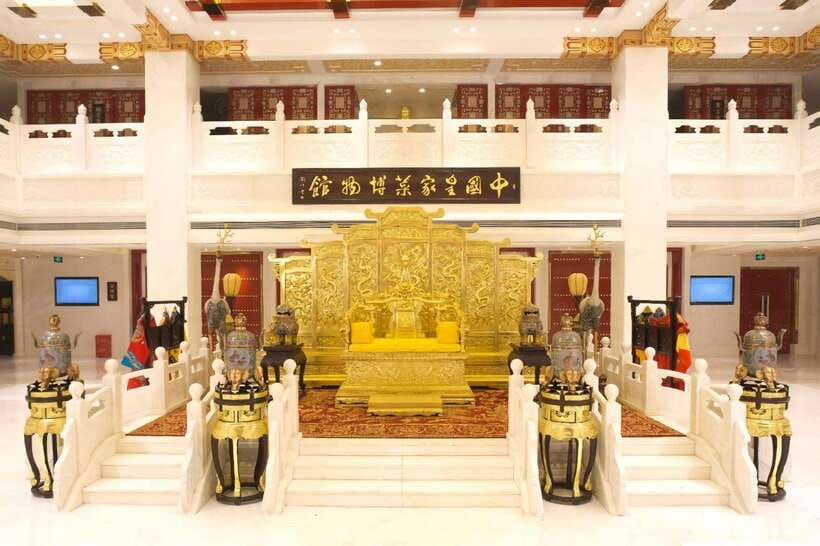
The Yuxiandu Imperial Cuisine Museum is in Beijing’s Haidian District, near Sijiqing Bridge. It is part museum, part restaurant, and part theater. That mix is important because the evening is not simply a meal with entertainment added afterward. The food, room, objects, and stage program all point toward the same subject: the way Chinese rulers ate and how court food developed over time.
I would think of this as a cultural dinner presentation rather than a restaurant for serious food exploration. You are not choosing one dish from a menu and settling in for a quiet meal. Instead, you receive a set sequence of foods while the performance supplies the historical mood.
That approach works well for a first visit to Beijing. You can taste several familiar and less familiar dishes without having to plan a separate food tour. You also get a visual introduction to court ceremony, clothing, music, and dance.
A few more to weigh up in Beijing
- From Beijing: Mutianyu Great Wall Tours with Options
★ 4.9 · 9,216 reviews - Beijing: Forbidden City Tour(Group/Private)-Tickets Included
★ 4.8 · 7,974 reviews - Beijing: T-Square & Forbidden City Group or Private Tour
★ 4.8 · 4,446 reviews
Entering five millennia of imperial food culture
The museum’s central subject is the evolution of Chinese imperial cuisine from ancient times through the Qing Dynasty. The displays include more than 1,000 precious artifacts, including dining utensils and historical documents. These objects help explain that court cuisine was about more than luxury.
Food in an imperial court carried messages about rank, ritual, wealth, health, and regional traditions. A serving vessel could show status. A particular recipe could reflect the taste of a ruling house. The meal itself could also become part of a formal ceremony.
I like this museum component because it gives you a reason to pay attention to the dishes later. Without that background, a large dinner can become a parade of plates. With it, you can place the meal within a longer story about Chinese cooking and royal life.
The displays also introduce celebrated court dishes and chefs from different periods. The available information does not provide a full gallery map or a detailed list of every object, so you should not expect a guided museum tour with a fixed room-by-room script. Still, the collection gives the experience an educational side that many dinner shows lack.
The palace-style dining room and its theatrical mood
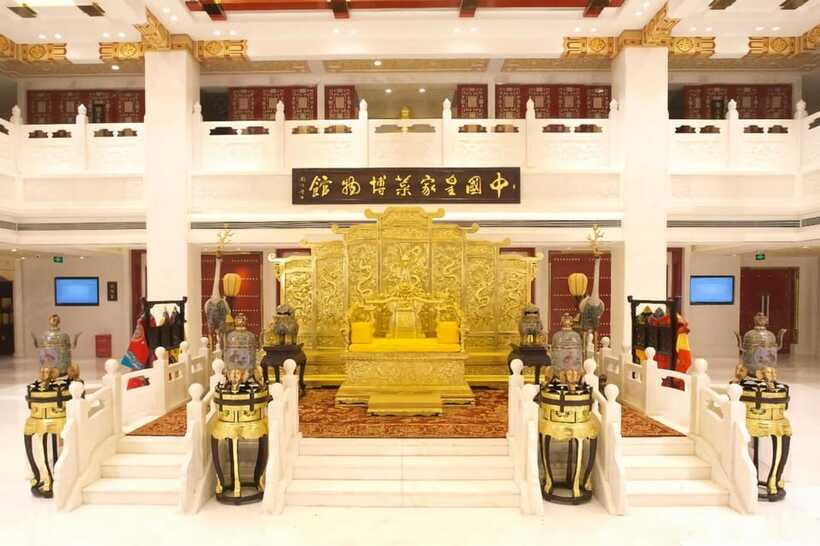
The restaurant is designed to resemble an ancient palace setting. That decoration does much of the work before the first course arrives. You are encouraged to imagine yourself as part of the imperial household, even though you are paying for the privilege rather than inheriting it.
The setting is likely to appeal most to visitors who enjoy visual atmosphere. Traditional colors, formal presentation, and the scale of the room support the performance. The effect is theatrical, not understated. If you prefer a small neighborhood restaurant where local life unfolds around you, this may feel too staged.
That is not necessarily a flaw. Beijing offers plenty of informal eating, but it has fewer opportunities to pair a formal meal with historical pageantry. The palace design gives families, first-time visitors, and anyone celebrating a special occasion something easy to understand and remember.
The tradeoff is that the royal feeling does not include a full costume package. Traditional clothing and makeup transformation cost extra or are simply not part of this experience. If dressing up is central to your plan, check the available options before booking.
The meal: nine different ways to taste court-style dining
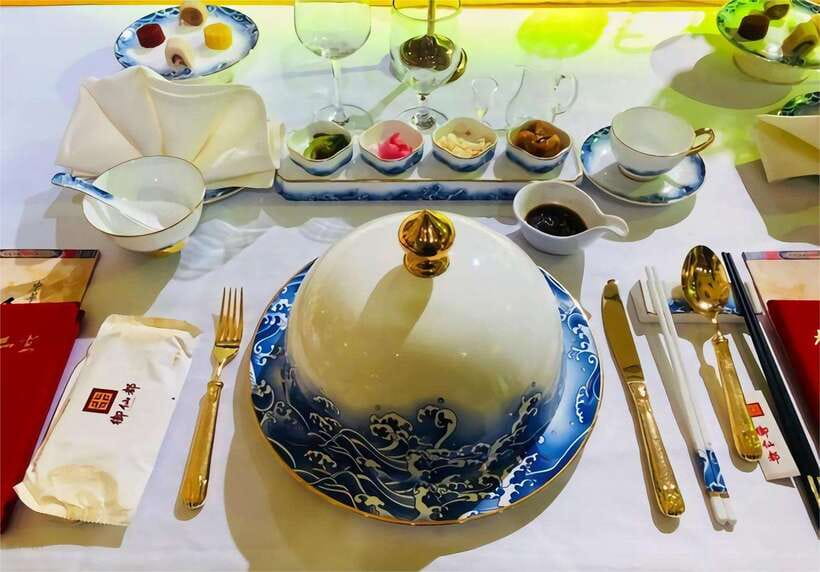
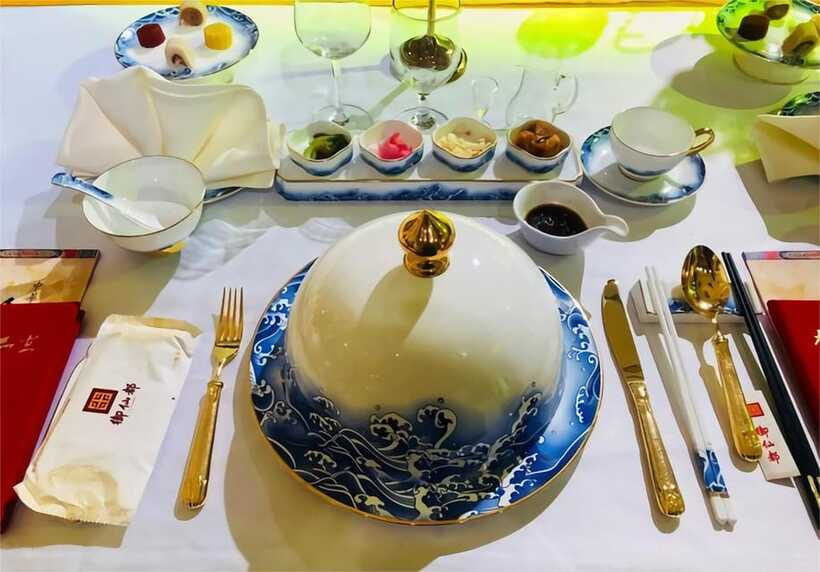
The menu is large enough to make the dinner feel like an event. It begins with snacks, an appetizer, and an appetizer platter, then moves through seafood, meat, vegetables, noodles, and sweets.
Here is what you can expect:
- Snacks
- Appetizer
- Appetizer platter
- Braised sea cucumber with fish maw in a casserole
- Marinated tofu and bamboo shoots
- Roast duck with jujube wood
- Chinese cabbage in soup
- Roasted lamb
- Longevity noodles with poached eggs
- Deep-fried dough sticks, or youtiao, with milk
- Yogurt filled with honey
The exact serving order is not provided, but the list shows a broad range of textures and cooking styles. You move from small opening portions to heavier meat and seafood dishes, then to noodles and sweet finishes.
The braised sea cucumber with fish maw is likely to be the most unfamiliar item for many diners. It represents the luxurious side of the meal and may appeal to adventurous eaters, though its texture is not for everyone. The tofu and bamboo shoots offer a lighter contrast.
Roast duck with jujube wood is one of the more approachable highlights. The jujube wood detail points to the dish’s fragrance and preparation style, while the duck gives you a familiar reference point if you are new to Chinese banquet food.
The roasted lamb brings another strong flavor and adds weight to the middle of the meal. Chinese cabbage in soup provides a simpler course between richer dishes. I appreciate that the menu is not made up entirely of expensive ingredients. A royal table still needs vegetables, soup, noodles, and familiar comfort foods.
The longevity noodles with poached eggs are a fitting late savory course. Long noodles traditionally connect with long life, so this is not just filler before dessert. It gives the meal a symbolic finish before the sweet dishes arrive.
Youtiao with milk and honey-filled yogurt close out the menu. Youtiao are deep-fried dough sticks often associated with breakfast and casual Chinese eating, so their appearance here shows that imperial-style dining is not limited to rare ingredients. The sweets also make the ending gentler after the lamb, duck, and seafood.
Because this is a fixed meal, ask before booking if you have allergies, strict dietary requirements, or strong dislikes. No substitute dishes or dietary arrangements are specified.
A completely different sort of day out:
- All-Inclusive Tour: Tiananmen Square, Forbidden City, Great Wall
★ 5.0 · 2,873 reviews - MuBus: Mutianyu Great Wall ENG/ESP/RUS Guided Bus Tour
★ 5.0 · 2,361 reviews - 4-Hour Small Group Tour to Forbidden City with Entry Tickets
★ 5.0 · 1,863 reviews - Beijing: Tiananmen Square Registration Service(Ticket)
★ 4.5 · 1,704 reviews
The cultural performance gives dinner its rhythm
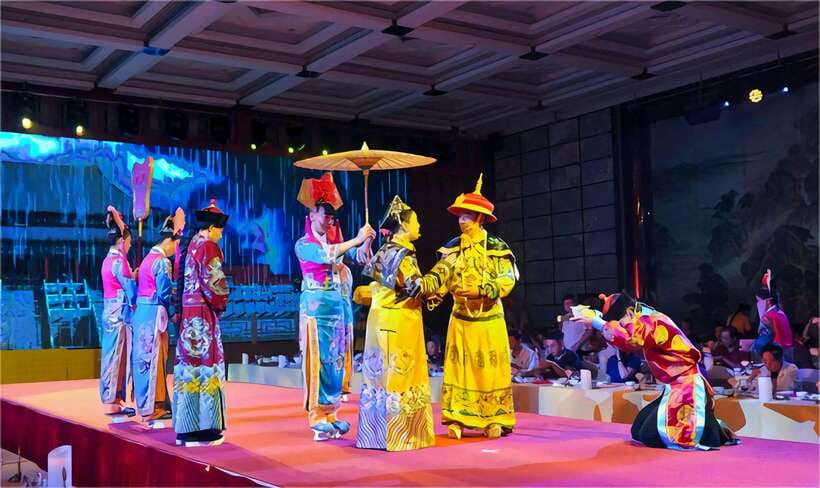
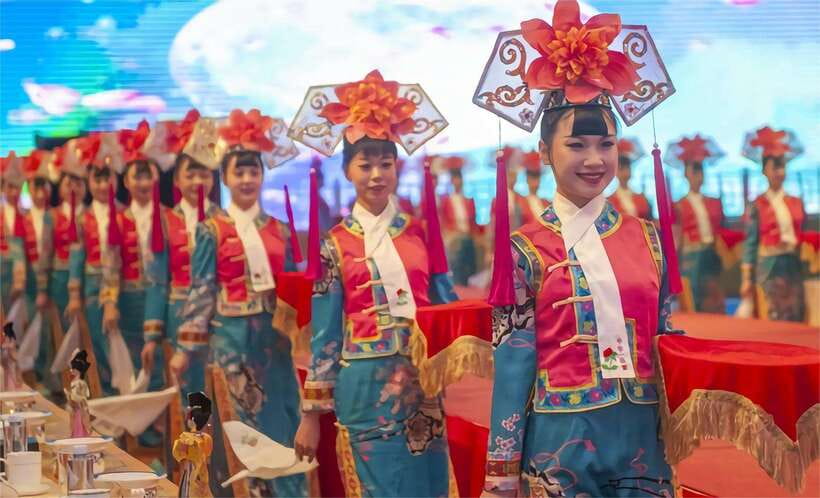
The performance is included in the ticket, and it is the part most likely to shape your memory of the evening. It presents Chinese history through traditional costumes, music, dance, color, and food-related themes.
The show begins at 12:10 PM for lunch and 6:50 PM for dinner. Those times are not loose suggestions. Ticket checking begins at 11:38 AM for lunch and 6:28 PM for dinner, so plan to be inside the hall a few minutes early.
Arriving late could mean missing the opening sequence or being seated after the meal has begun. Since the food and performance are tied together, the first few minutes may help establish the story and mood.
The performance is not described as an intimate folk concert or a small theater production. It is better understood as a large cultural presentation designed to make court life visible. Expect spectacle and traditional stage elements rather than a detailed spoken lecture in English.
One Polish visitor praised the combination of traditional clothing, music, dance, colors, food, and historical presentation. That list captures the show’s appeal: it gives you several entry points, even if you do not know much about Chinese history.
The performance also helps break up a long meal. Three to four hours can feel excessive if you are only eating, but the stage program creates pauses and changes of focus. You spend part of the time looking at the dishes and part watching the cultural program.
Is $137 a fair price in Beijing?
At $137 per person, the cost is high for a Beijing dinner. You are paying for a set menu, the museum setting, the performance, the service, and the convenience of having all these elements arranged in one place.
If you compare the price with an ordinary restaurant meal, the value is weak. You could eat very well in Beijing for much less. This experience makes more sense if you would otherwise pay separately for a cultural show and a formal banquet, or if you want one polished evening with little planning.
The value also depends on your interest in court culture. If historical food, traditional stage arts, and formal dining appeal to you, the combined program can justify the splurge. If you mainly want the best roast duck in Beijing, spend your money elsewhere.
One Singaporean booking rated the performance highest but felt the ticket price on the booking platform was excessive, noting that direct purchase or another platform might cost less. That is useful advice. Before paying, compare the $137 rate with the museum or provider, if direct booking is available and practical. Be sure the direct option includes both the meal and performance, since a lower price may cover only part of the program.
Who will enjoy this three to four hour program?
I would recommend it most strongly to:
- First-time visitors who want several Chinese food styles in one evening
- Couples looking for a formal cultural night out
- Families with older children who can manage a long meal and show
- People interested in palace customs, court dishes, costumes, music, and dance
- Visitors who prefer a planned cultural experience over arranging separate activities
Children under two are not suitable for the activity. For older children, consider their patience. The meal is long, and the historical material may be less engaging for very young children, even though the colors and performance can hold their attention.
Food-focused visitors should set expectations carefully. This is not a chef-led cooking class, a market walk, or a chance to customize each dish. It is a banquet presentation with cultural context.
The venue is wheelchair accessible, which makes the program easier to consider for people with mobility needs. The supplied information does not explain accessible transportation, restroom details, or seating arrangements, so contact the provider if you need those specifics.
Practical timing for lunch and dinner
The dinner option is likely the natural fit for most visitors. The show starts at 6:50 PM after ticket checking at 6:28 PM, giving the evening a clear beginning and a formal nighttime mood.
Lunch begins earlier, with ticket checking at 11:38 AM and the performance at 12:10 PM. Lunch can work well if you have an evening activity planned, but the timing is precise enough that you should avoid arriving at the last minute.
The experience lasts about three to four hours. Add time for getting to the Haidian District near Sijiqing Bridge. No transportation service is specified, so you need to plan your own route.
One important booking detail: the QR code created after purchase is not the actual ticket. The real ticket is sent by email. Check your inbox before leaving for the venue and do not rely only on the platform QR code.
Cancellation is flexible up to 24 hours before the activity for a full refund. You can also reserve now and pay later, which helps if your Beijing schedule is still moving around.
My verdict: book it for the whole package
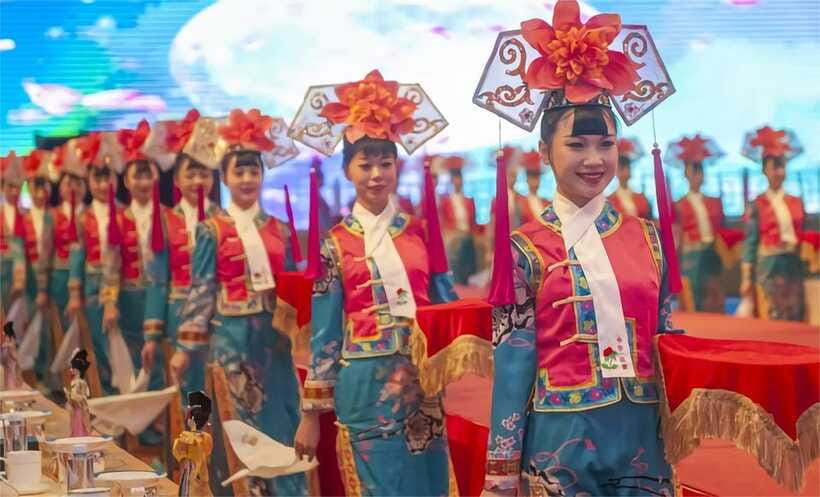
I would book the Yuxiandu Imperial Cuisine Museum experience if I wanted one memorable evening that joins food, history, costumes, music, and dance. The strongest parts are the full menu and the cultural performance, while the museum collection gives the night more substance than a standard dinner show.
I would skip it if you are watching your budget, seeking a quiet meal, or mainly interested in Beijing’s everyday food scene. At $137, the experience needs to feel like an event, not just dinner.
For the right person, it is a lively introduction to imperial food culture. Compare prices before booking, arrive early for the exact ticket-checking time, read the email ticket carefully, and treat the meal as a staged cultural program rather than a simple restaurant reservation.
FAQ
Where is the Yuxiandu Imperial Cuisine Museum?
It is in Beijing’s Haidian District, near Sijiqing Bridge.
How long does the experience last?
The program lasts about three to four hours.
How much does the experience cost?
The listed price is $137 per person.
What is included?
The ticket includes the meal and the cultural performance.
Are traditional clothing and makeup included?
No. Traditional costume and makeup transformation are not included.
What time does dinner ticket checking begin?
Dinner ticket checking begins at 6:28 PM, and the performance starts at 6:50 PM.
What time does lunch ticket checking begin?
Lunch ticket checking begins at 11:38 AM, and the performance starts at 12:10 PM.
Is the QR code from the booking platform the actual ticket?
No. The QR code generated after booking is not the actual ticket. The real ticket is sent by email.
Is the venue wheelchair accessible?
Yes. The experience is listed as wheelchair accessible.
Just added in Beijing
- Private Transfer to Mutianyu Great Wall with professional driver★ 5.0 · 19 reviews
- One day tour to downtown Tianjin from Beijing by high speed train★ 5.0 · 3 reviews
- ZANBUS: Trip to the Jinshanling Great Wall Departing at 7:30 AM★ 5.0 · 5 reviews
- camp on the Great Wall overnight with sunrise and sunset on the wall★ 5.0 · 11 reviews
- Yuxiandu Chinese Royal Cuisine Museum with Show and Royal Banquet★ 5.0 · 4 reviews
- Wild Great Wall Hikes★ 5.0 · 10 reviews
- BusDa:Ancient Great Wall &Badaling Great Wall Full-day Bus Tour★ 4.5 · 6 reviews
- Wild Great Wall Huanghuacheng Half Day Tour★ 5.0 · 15 reviews
Beijing Tours, compared.

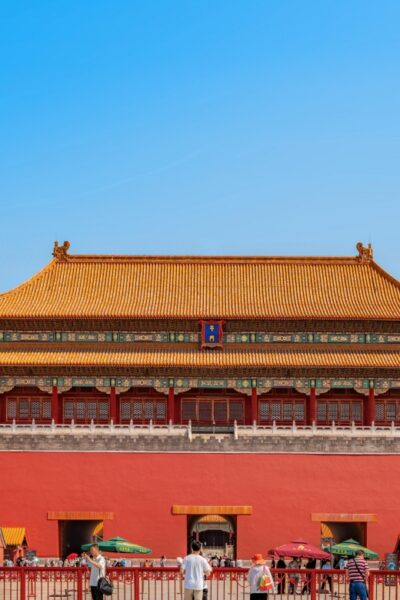
Forbidden City Tour(Group/Private)-Tickets Included
Read our review →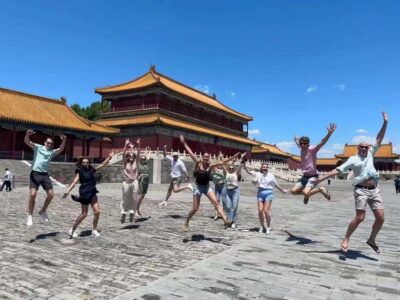
T-Square & Forbidden City Group or Private Tour
Read our review →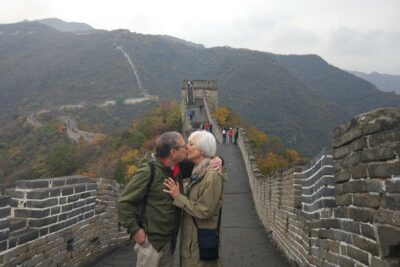
All-Inclusive Tour: Tiananmen Square, Forbidden City, Great Wall
Read our review →
MuBus: Mutianyu Great Wall ENG/ESP/RUS Guided Bus Tour
Read our review →
4-Hour Small Group Tour to Forbidden City with Entry Tickets
Read our review →