
Reviewed · JINSHANLING GREAT WALL TOURS
Beijing: 2-day Small Group Great Wall Hiking Gubeikou&Jinshanling
The Wall rewards slow travel. This two-day hike links Jinshanling and Gubeikou, mixing restored battlements, rough original masonry, watchtowers, and wide mountain views. I like the early start, which gives you quieter hours on the Wall, and the overnight stay at a farmer’s guesthouse, where the trip feels more personal than a quick coach excursion.
I also like that transport, entrance fees, meals, bottled water, and a local guide are included. The main catch is the physical demand: you need moderate fitness, comfortable boots, and patience for steep steps, uneven brickwork, and long stretches without a toilet.
In This Review
- Key points at a glance
- Why two days makes more sense than a quick Great Wall stop
- Day one: the Jinshanling approach
- The overnight stay near the Wall
- Day two: Gubeikou’s rougher side
- What the views and construction reveal
- The real level of difficulty
- Transport, group size, and guide support
- What the $268 price really buys
- Who should book this Great Wall hike?
- Should you book it?
- FAQ
- How long does the Great Wall hiking tour last?
- What time does the tour start?
- How many people can join the tour?
- What sections of the Great Wall does the tour visit?
- How much hiking is involved?
- Is accommodation included?
- Are meals and water included?
Key points at a glance
- Two different Great Wall settings: Jinshanling offers restored towers and clear views, while Gubeikou brings rougher, less-visited sections.
- Early access matters: The first morning begins at the Wall before crowds usually build.
- A real village overnight: You sleep in a twin-shared farmer’s guesthouse and eat dinner and breakfast there.
- Small group size: The vehicle carries no more than 10 people, keeping the hike more manageable.
- Simple guiding style: The local farmer guide mainly leads the way, with limited English and less focus on long history talks.
- Practical hiking support: Bottled water and trekking poles are carried in the vehicle, and your larger belongings go ahead to the accommodation.
Why two days makes more sense than a quick Great Wall stop
A standard Great Wall outing often gives you a short walk, a few photographs, and a quick return to Beijing. This trip asks more of your legs, but it gives you time to notice how different sections were built and maintained.
You spend several hours hiking each day. That means you can compare restored brickwork with older, rougher sections instead of seeing only one polished stretch. Watchtowers, decorative stone details, wall construction, and mountain views become part of a continuous walk rather than a series of stops.
The overnight stay also changes the pace. You are not racing back to Beijing after the afternoon crowds arrive. Dinner, breakfast, and a night in a village guesthouse give the experience a more local feel, though the accommodation is practical rather than luxurious.
The advertised price is $268 per person. That is not the cheapest way to see the Wall, but it covers two hiking days, transport from Beijing, one night of accommodation, two lunches, dinner, breakfast, entrance fees, water, and a guide. For you, the value depends on whether you want exercise and time on the Wall, or simply a convenient photograph at a famous monument.
More Hiking Trips in Beijing
- From Beijing: Small Group Hike at Jinshanling Great Wall
★ 4.9 · 667 reviews - Beijing: Jingshanling Great Wall Trekking Tours with Options
★ 4.9 · 411 reviews - Beijing: Full-Day Small-Group Great Wall Hiking at Jinshanling
★ 5.0 · 347 reviews
Day one: the Jinshanling approach
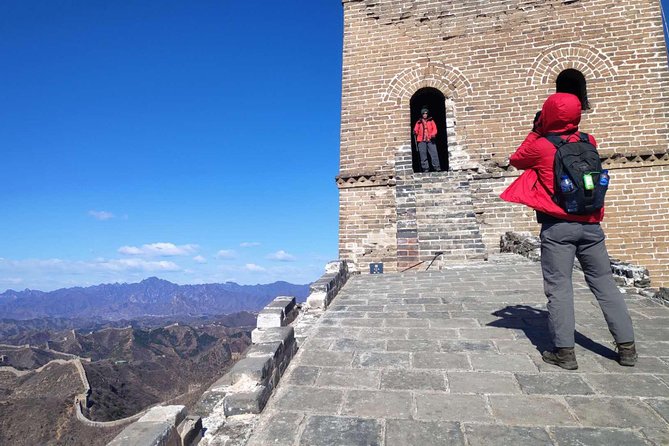
The first day begins at 8:00 a.m. in Beijing, followed by travel in an air-conditioned vehicle. The schedule describes a roughly 40-minute uphill walk by steps to the East Five Eye Watchtower, near the Simatai West and eastern Jinshanling area.
That approach is worth understanding before you go. The Wall does not begin right beside the vehicle. You first climb toward it, and the steps can make your legs work before the main hike even starts. You can pause for breath along the way, and the reward is an open view from the higher ground.
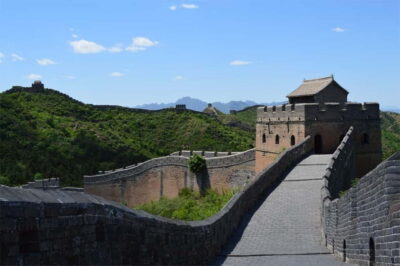
Jinshanling is known for its mix of repaired wall sections and older construction. Here, you can look closely at the brick surface, parapets, crenellations, and watchtowers. The restored portions make the layout easier to understand, while the less polished sections show how age, weather, and neglect have changed the monument.
The walking time listed for this section is about three hours. That sounds moderate, but Great Wall hiking is rarely flat. You will deal with repeated climbs and descents, staircases of differing heights, and uneven footing. Even a shorter distance can feel demanding when the route keeps rising and falling.
The East Five Eye Watchtower is a useful early landmark. Watchtowers were practical military structures, used for observation and signaling, but they also give you some of the best viewpoints. From the higher points, the Wall follows the ridges in long lines, with towers marking the route ahead.
Take your time with photographs, but keep your day pack light. Your main luggage travels with the vehicle to the accommodation, while you carry water, snacks, sunscreen, and anything else needed during the hike.
The overnight stay near the Wall
At the end of the first day, you stay in a local farmer’s guesthouse near the Great Wall. The room is twin-shared, so this suits people who are comfortable sharing basic accommodation. The overnight arrangement is part of the appeal, but it is not a hotel substitute.
Dinner and breakfast are included, along with the day’s lunch. The food is described as home-cooked, which gives the evening a more grounded feel than eating at a large tourist complex. You should still pack snacks before leaving Beijing, since the walking day is long and meal times may not match your appetite.
This is also the point where the trip feels less polished and more connected to village life. You sleep close to the Wall instead of spending another evening in Beijing traffic. That saves travel time the next morning and helps explain why the second day can begin at 8:30 a.m.
The guide is an experienced local farmer, with limited English. The main job is leading the route rather than giving constant historical commentary. Guides such as Cheney and Yaxin have been praised for adding historical detail and explaining the structure, but you should not book this experience expecting a full-time academic lecture.
If history interpretation is important to you, ask questions as you walk. The guide can explain what is available, but the emphasis remains on route-finding, safety, and keeping the group moving.
Day two: Gubeikou’s rougher side
After breakfast, the second hike begins at 8:30 a.m. from Coaling Dragon Hill, also called Panlongshan, in the Gubeikou area. The scheduled walking time is about five hours, making this the longer and more demanding day.
Gubeikou offers a different mood from Jinshanling. The route is described as wild, original, and less visited, with fewer people on the Wall in the morning. The masonry may be rougher, and the path can feel less formal than the repaired Jinshanling section.
This is where you see why a two-day route has value. Restored sections show the Wall as a major architectural project. Untouched sections show the passage of time. Stones and bricks may be irregular, vegetation can press closer to the path, and the route demands more attention from your feet.
The Gubeikou hike is described as heading toward Jinshanling, while the broader route also refers to the Jinshanling to Simatai West area. Since the exact direction and connecting sections can vary, confirm the day-by-day route with the operator before departure. The important point is that the experience covers both the Gubeikou and Jinshanling areas, with restored and original sections across the two days.
Five hours on the Wall is a serious outing. You need to keep a steady pace without treating the hike as a race. The local guide leads the way, and the group size is capped at 10, which should make it easier to stay together than on a large bus tour.
You will have time to study watchtowers and decorative stonework, but the Wall itself is the star. It rises and dips with the ridges, often turning suddenly out of sight. The views are especially rewarding when you reach a tower or open section, but the route is not designed as a gentle sightseeing promenade.
More Great Wall trips:
- From Beijing: Mutianyu Great Wall Tours with Options
★ 4.9 · 9,216 reviews - All-Inclusive Tour: Tiananmen Square, Forbidden City, Great Wall
★ 5.0 · 2,873 reviews - MuBus: Mutianyu Great Wall ENG/ESP/RUS Guided Bus Tour
★ 5.0 · 2,361 reviews - Beijing Full Day Tours: Tiananmen Sq, Forbidden City, Great Wall
★ 5.0 · 1,634 reviews
What the views and construction reveal
The Great Wall is not one uniform structure. It is a long chain of walls, towers, passes, and defensive features built and repaired over different periods. A route through Jinshanling and Gubeikou gives you a practical lesson in that variety.
At Jinshanling, restored masonry makes the defensive design easy to read. You can see how the wall’s parapets protect the walkway, how towers break up the route, and how the structure uses high ridges for visibility.
At Gubeikou, the older sections offer a more weathered view. You may notice rougher surfaces and less even walking conditions. That roughness is not a flaw in the experience. It is the reason the second day feels different from a visit to a fully repaired section.
The tour also gives you a chance to think about scale. From the ground, one tower may seem like a complete sight. From the ridge, you see how many towers and wall segments are tied together across the hills. The long view helps turn a famous monument into something you can understand physically.
The real level of difficulty
The tour requires moderate physical fitness. That wording should be taken seriously. You do not need to be an expert mountaineer, but you should be comfortable walking for several hours on steep, uneven paths.
Bring comfortable hiking shoes or boots with a secure grip. Sandals and smooth-soled trainers are poor choices for old brick, stairs, and loose ground. Sunscreen, sunglasses, a cap, lip balm, and a small first aid kit are also recommended.
The operator carries trekking poles in the vehicle. Ask the guide if you need one. A pole can help on descents, especially after several hours of climbing.
There are no toilets along the Wall. Toilets are available at the entrances to Gubeikou and Jinshanling, so use them before setting out. Carry toilet paper and be prepared for the lack of facilities once you are on the route.
The vehicle holds bottled water for the hiking days. Still, keep water in your day pack rather than relying on a stop at a shop. Pack snacks in Beijing as well. Your larger bags go with the vehicle, but your hiking pack needs enough room for daily essentials.
Weather matters. The experience can be canceled in poor weather, with a different date or a full refund offered. Travel insurance is optional, but accident or injury cover is strongly encouraged for a hike of this length.
Transport, group size, and guide support
Transport is provided in an air-conditioned vehicle with an experienced driver. The activity begins and ends back at the Beijing meeting point, and the stated start time is 8:00 a.m.
A maximum of 10 people keeps the group small enough for the guide to manage the pace and route. It also reduces the stop-and-start pattern common on large group excursions. Still, you should expect to walk as part of a group, not alone at your own speed.
The local farmer guide is mainly there to lead the route. English is limited, though individual guides have received strong praise for adding information about Chinese history and the Wall’s structure. If you want detailed commentary, bring questions and keep expectations realistic.
A completion certificate is included. It is a lighthearted extra, but after two long days on the Wall, you may enjoy having a small record of the achievement.
What the $268 price really buys
At $268 per person, this experience costs more than a simple half-day transfer to a repaired Great Wall section. The comparison is not quite fair, though. You are paying for two days of transport, accommodation, meals, entrance fees, water, route leadership, and access to quieter sections.
The biggest value is time. You are not limited to one crowded viewpoint or a short paved walk. You get several hours on the Wall each day and a chance to see both restored and less-repaired areas.
The overnight guesthouse adds value if you like straightforward local accommodation. It adds less value if you require a private room, hotel comforts, or a flexible schedule. Twin-sharing is part of the arrangement.
The tour also saves you the trouble of arranging transport between separate Wall sections. That matters because Gubeikou and Jinshanling are outside central Beijing, and the route is not as simple as visiting one urban attraction.
I consider the price fair for a fit person who wants a serious Great Wall experience. It is poor value for anyone who dislikes long hikes, basic lodging, or group pacing.
Who should book this Great Wall hike?
I would recommend it to you if you want the Wall to be the main event of your Beijing visit. It suits hikers, photographers, history-minded visitors, and anyone who prefers quieter sections to polished tourist sites.
It is also a good choice if you enjoy local contact without needing luxury. The farmer’s guesthouse, home-cooked meals, and local guide make the trip feel more grounded.
I would hesitate to recommend it to families with young children unless every member can manage steep steps and several hours of walking. The same goes for anyone with mobility limits, since the information provided calls for moderate fitness and uneven sections are part of the route.
Pack light, wear proper shoes, use the toilets before hiking, and bring snacks. Those simple preparations will make a major difference.
Should you book it?
Book this tour if you want two demanding but rewarding days on varied sections of the Great Wall, plus a basic village overnight and a small group. The strongest reasons are the quieter morning access, the contrast between Jinshanling and Gubeikou, and the chance to walk beyond the easiest restored paths.
Choose another Great Wall outing if you want a short, easy visit, polished facilities, or a guide who provides nonstop historical explanation. For the right person, though, this is a strong-value route that turns a famous monument into a real walking experience.
FAQ
How long does the Great Wall hiking tour last?
The experience lasts approximately two days and includes one night at a local farmer’s guesthouse.
What time does the tour start?
The stated start time is 8:00 a.m. in Beijing.
How many people can join the tour?
The group has a maximum of 10 people.
What sections of the Great Wall does the tour visit?
The route covers the Jinshanling and Gubeikou areas, including restored and original sections. It includes the East Five Eye Watchtower area and Coaling Dragon Hill, also called Panlongshan.
How much hiking is involved?
Day one includes about three hours of hiking after a roughly 40-minute stepped walk to the Wall. Day two includes about five hours of hiking.
Is accommodation included?
Yes. One night of twin-shared accommodation at a local guesthouse near the Great Wall is included.
Are meals and water included?
Yes. The package includes one breakfast, two lunches, one dinner, and bottled water during the hikes. Personal snacks are recommended.
More Jinshanling Great Wall Trips
- Small Group 6km hiking Jinshanling Great Wall EN speaking driver
★ 5.0 · 347 reviews - Great Wall at Gubeikou and Jinshanling Private Sunset Tour
★ 5.0 · 307 reviews - Private Trekking Day Tour to Jinshanling Great Wall
★ 5.0 · 127 reviews - Beijing Private Transfer to Jinshanling or Simatai Great Wall
★ 5.0 · 119 reviews
Just added in Beijing
- Private Transfer to Mutianyu Great Wall with professional driver★ 5.0 · 19 reviews
- One day tour to downtown Tianjin from Beijing by high speed train★ 5.0 · 3 reviews
- ZANBUS: Trip to the Jinshanling Great Wall Departing at 7:30 AM★ 5.0 · 5 reviews
- camp on the Great Wall overnight with sunrise and sunset on the wall★ 5.0 · 11 reviews
- Yuxiandu Chinese Royal Cuisine Museum with Show and Royal Banquet★ 5.0 · 4 reviews
- Wild Great Wall Hikes★ 5.0 · 10 reviews
- BusDa:Ancient Great Wall &Badaling Great Wall Full-day Bus Tour★ 4.5 · 6 reviews
- Wild Great Wall Huanghuacheng Half Day Tour★ 5.0 · 15 reviews
Jinshanling Great Wall Tours, compared.
Small Group 6km hiking Jinshanling Great Wall EN speaking driver
Read our review →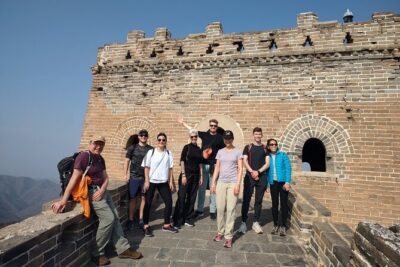
Full-Day Small-Group Great Wall Hiking at Jinshanling
Read our review →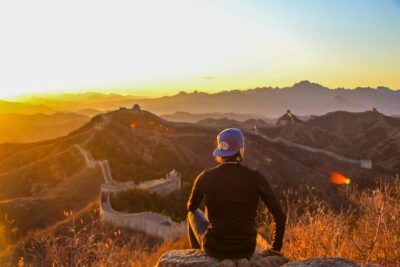
Great Wall at Gubeikou and Jinshanling Private Sunset Tour
Read our review →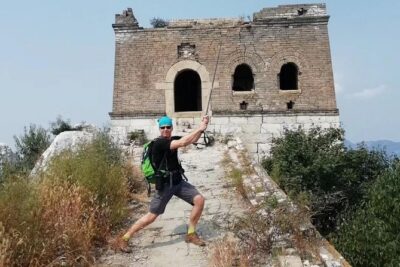
Private Trekking Day Tour to Jinshanling Great Wall
Read our review →
Beijing Private Transfer to Jinshanling or Simatai Great Wall
Read our review →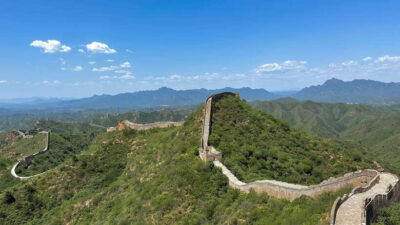
Jinshanling Great Wall Private Tour with Options
Read our review →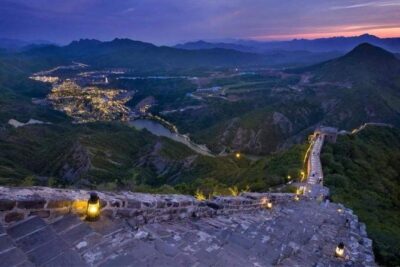
Jinshanling Private Tour with Night View of Simatai and Gubei Water Town from Beijing
Read our review →Where else this tour turns up