
Reviewed · XI'AN TOURS
8-Day Small-Group China Tour to Beijing, Xi’an and Shanghai
China rewards a well-planned route. This eight-day small-group tour links Beijing, Xi’an, and Shanghai with little fuss, covering imperial palaces, the Great Wall, the Terracotta Army, old neighborhoods, museums, gardens, and glowing city views. I like the compact group size, capped at 18 people, and the fact that the price includes hotels, entrance fees, guided transport, most breakfasts, three lunches, and dinner.
I also like the mix of famous sights and more local-feeling stops, especially the Beijing hutong visit, Xi’an’s Muslim Quarter, and the City Wall Park. The main drawback is the pace. You cover three huge cities in one week, with long sightseeing days and two intercity journeys, so this suits you best if you want a strong first look at China rather than a slow, leisurely holiday.
In This Review
- Key points to know before booking
- Why this eight-day route works
- Day 1: A straightforward Beijing airport arrival
- Day 2: Imperial Beijing from Tiananmen to the Temple of Heaven
- Day 3: Mutianyu, the Bird’s Nest, and Beijing’s hutongs
- Day 4: Summer Palace and the train to Xi’an
- Day 5: The Terracotta Army and Tang Dynasty culture
- Day 6: Xi’an’s city wall, Muslim Quarter, and flight east
- Day 7: Shanghai’s old gardens and futuristic skyline
- Day 8: Departure from Shanghai
- Hotels, meals, and guide support
- Who should book this China tour?
- FAQ
- How long is the tour?
- Which cities does the tour visit?
- Is airport pickup included?
- Is transportation between the cities included?
- Are hotels included?
- How many meals are included?
- Is the Tang Dynasty show available all year?
- What is the maximum group size?
- Should you book it?
Key points to know before booking
- Mutianyu includes a round-trip cable car, making the Great Wall easier to reach and less tiring than a full walk from the valley.
- The group is limited to 18 people, a useful middle ground between a private tour and a large coach trip.
- Beijing packs in the Forbidden City, Temple of Heaven, Summer Palace, hutongs, and the Great Wall, so expect full days.
- Xi’an adds the Terracotta Army, Big Wild Goose Pagoda, City Wall, Muslim Quarter, and Tang Dynasty entertainment in about two days.
- Shanghai finishes with Yu Garden, the Bund, Shanghai Tower views, and a Huangpu River cruise, giving you both old and modern China.
- There are no shopping detours, factory stops, tea ceremonies, or shopping-site restaurants built into the route.
Why this eight-day route works
China is so large that a first visit can become a puzzle of trains, flights, hotels, tickets, and local transport. This tour solves much of that puzzle. You arrive in Beijing, travel onward to Xi’an, then finish in Shanghai, moving west to east in a logical line.
The route gives you three different views of the country. Beijing is the imperial capital, Xi’an is tied to the Qin and Tang eras, and Shanghai presents China as a modern commercial powerhouse with a strong European colonial imprint. You will not see everything, but you will see the country’s most recognizable landmarks and several cultural sites that add depth.
The small-group format matters here. At up to 18 people, your guide can keep the group together without the sluggish feel of a large coach. You will still need to follow a fixed schedule, but the arrangement should make airport pickups, museum entries, and city transfers easier.
The cost is $1,619 per person, based on twin-sharing accommodation. That is a fair package price for what is covered: seven hotel breakfasts, three lunches, dinner, entrance fees, professional English-speaking guides, air-conditioned vehicles, two bottles of water per person per day, the Beijing to Xi’an high-speed train, and the Xi’an to Shanghai flight listed in the schedule.
International airfare, visa fees, tips, personal expenses, excess baggage, and the final airport transfer in Shanghai are extra. You should also confirm the exact transport details before paying, since the inclusions describe airfare between both cities while the daily schedule specifically shows a high-speed train from Beijing to Xi’an and a flight from Xi’an to Shanghai.
A few more to weigh up in Xian
- Mini Group Xian Day Tour to Terracotta Army, City Wall, Pagoda and Muslim Bazaar
★ 5.0 · 1,320 reviews - Xi’an: Terracotta Army Mini Group or Private Tour
★ 5.0 · 926 reviews - Xi’an Evening Food Tour by TukTuk
★ 5.0 · 715 reviews
Day 1: A straightforward Beijing airport arrival
Your tour begins with a pickup at Beijing Capital International Airport. After customs and baggage collection, a driver takes you to the hotel and helps with check-in.
The listed meeting time is 8:00 p.m. at the airport, so check your arrival details carefully. This first evening is not a sightseeing session. It is a practical arrival night designed to get you settled after an international flight.
The airport transfer is included, which is useful in a city as large as Beijing. You will not need to work out a taxi or private car immediately after landing. Bring your passport details exactly as submitted during booking, since passport name, number, expiry date, and country are required for every person.
Day 2: Imperial Beijing from Tiananmen to the Temple of Heaven
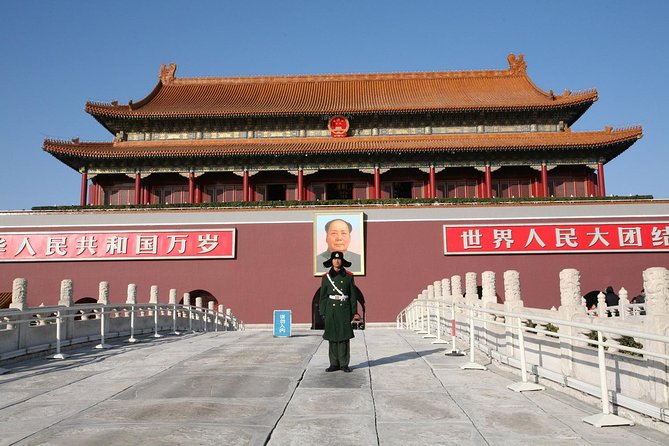
The first sightseeing day begins at Tiananmen Square, one of the world’s largest urban squares. The stop is brief, around 30 minutes, but it sets up the transition into the Palace Museum, better known as the Forbidden City.
You then spend about three hours inside the Forbidden City. This is the day’s main event, and you should expect broad courtyards, formal gates, halls, pavilions, and a steady stream of imperial architecture. Your guide explains how the emperor used the complex for government and ceremony, helping you make sense of a site that can otherwise feel almost too large to absorb.
I appreciate the generous time here. A quick walk through the Forbidden City would leave you with photographs but little understanding. Three hours gives you room to see the central buildings and listen to the stories behind them, though the size of the complex can still make the visit tiring.
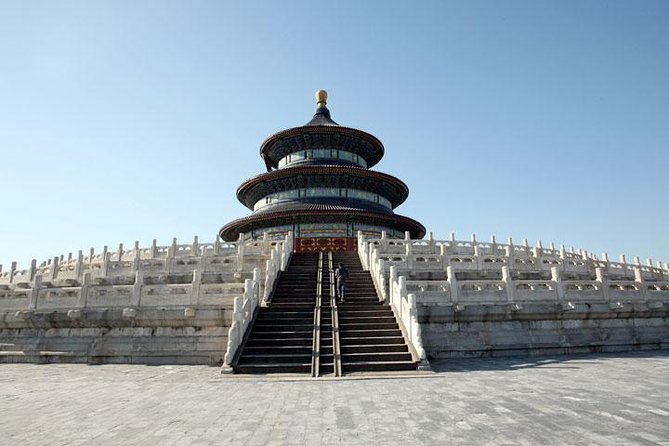
The Temple of Heaven follows, with about 90 minutes on site. Its unusual design reflects the old belief that emperors acted as intermediaries between the human world and the heavens. The buildings are more open and visually distinct from the Forbidden City, giving the day a welcome change of pace.
At night, you attend an acrobatic show at Beijing’s Red Theater. This is a polished cultural performance rather than a museum visit, and it gives your evening some energy after a long day. Dinner is included during the tour, but the schedule does not specify which evening or restaurant, so ask your guide for the meal plan at the start.
Day 3: Mutianyu, the Bird’s Nest, and Beijing’s hutongs
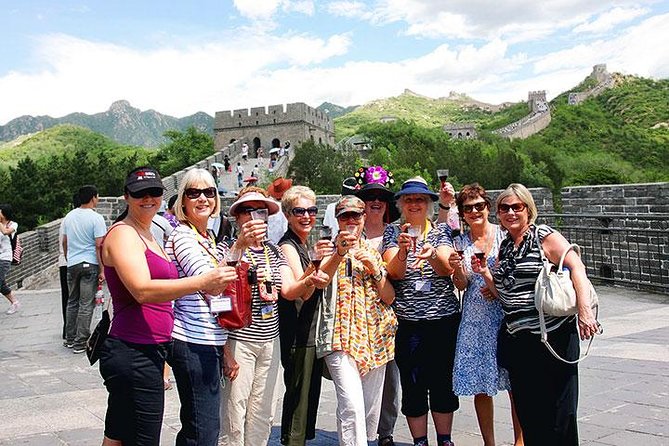
Mutianyu is one of the strongest parts of the tour. You spend about three hours at this section of the Great Wall, with a round-trip cable car arranged.
The cable car is a practical advantage. The wall is not a flat stroll, and the ride reduces the physical effort needed to reach the main viewpoints. Once on top, you can look along the ridges and see the wall winding into the distance. The time allowance lets you walk, take photographs, and enjoy the scale of the site without rushing through in a few minutes.
You should still wear comfortable shoes. The Great Wall has steps and uneven surfaces, and the tour is not suitable for wheelchair users or people over 80. Most people can participate, but anyone with mobility concerns should think carefully about the wall, city walking, and long sightseeing days.
On the drive back toward central Beijing, there is a short photo stop at the National Stadium, known as the Bird’s Nest. The stop lasts only about 10 minutes, and admission is not included. Treat it as a quick look from outside, not a stadium visit.
The afternoon ends with a hutong tour by rickshaw and a visit with a local family. Beijing’s old hutong lanes offer a different kind of sightseeing from the grand imperial monuments. You see how older residential areas fit into a city that is changing quickly, and the family visit adds a personal touch.
This is one of the best choices in the itinerary because it connects national history with ordinary urban life. The rickshaw ride is brief, about an hour, but it breaks up the monumental sightseeing and gives you something more grounded.
A completely different sort of day out:
- Xian: Terracotta Army Ticket & Guided Bus Tour with Options
★ 4.6 · 579 reviews - Customized Private Day Tour of Terracotta Warriors and Xi’an
★ 5.0 · 513 reviews - Xi’an: Exclusive Terracotta Army Tour & Local Family Lunch
★ 4.9 · 484 reviews - Half-Day Mini Group Xian Tour to Terracotta Warriors Museum
★ 5.0 · 467 reviews
Day 4: Summer Palace and the train to Xi’an
The Summer Palace occupies the morning, with around three hours to explore its gardens, lake views, pavilions, and former imperial retreat buildings. It is less formal than the Forbidden City and offers a more relaxed setting after two busy days.
The word garden can make the place sound small and gentle, but this is a major complex. Wear shoes suited to walking, and keep some energy for the afternoon journey.
After lunch, you take a high-speed train from Beijing to Xi’an. The scheduled journey lasts about five hours, followed by hotel check-in. This is a long travel block, but rail is a sensible way to connect the cities. It also gives you a look at how quickly China links its major urban centers.
The schedule leaves little room for Xi’an sightseeing on arrival day. Plan on an early start the next morning.
Day 5: The Terracotta Army and Tang Dynasty culture
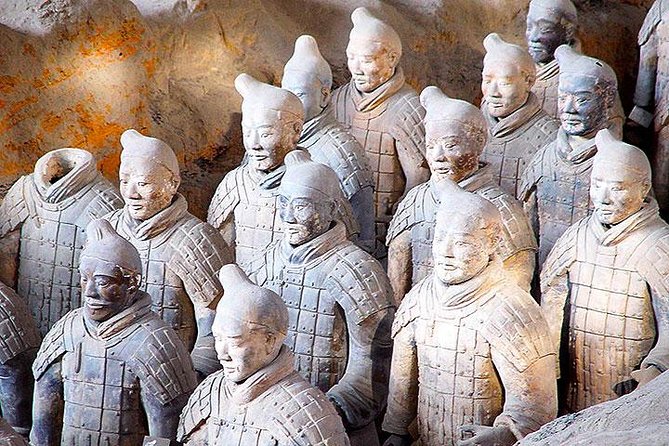
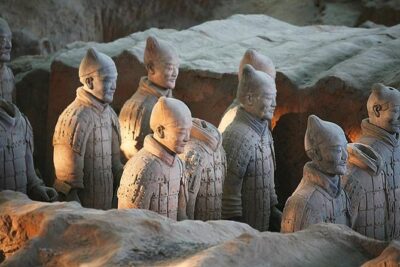
The Terracotta Army is the centerpiece of Xi’an. You spend around four hours at the museum, which displays three excavated pits filled with life-size warrior figures, horses, and ancient weapons.
The scale is difficult to grasp until you see the ranks of figures in the main pit. The soldiers are not identical, and details in their faces, clothing, and poses make the display more than a simple mass of statues. Four hours is a useful amount of time because the site has several viewing areas and museum sections.
The day also includes a family visit after the museum, adding a more personal encounter to a stop that can otherwise feel very formal. The schedule does not give extensive detail about the visit, so your guide will be the best source for what to expect on the day.
In the afternoon, you visit the Big Wild Goose Pagoda. Built during the Tang Dynasty to store Buddhist scriptures brought from ancient India, the pagoda links Xi’an to the wider movement of ideas, religion, and art across Asia.
The visit lasts about an hour. It is shorter and quieter than the Terracotta Army, but the site helps explain why Xi’an became such an important center during the Tang period.
The evening brings a Tang Dynasty music and dance show, scheduled for about 90 minutes. This adds music, costume, and movement to the historical story you have been hearing all day. There is an important seasonal catch: the theater is closed in January, February, March, and December, and the show is not included in the tour price during those months.
If the performance matters to you, check your travel dates before booking. The rest of the itinerary continues in those months, but this evening feature may be missing.
Day 6: Xi’an’s city wall, Muslim Quarter, and flight east
The morning begins at Xi’an’s City Wall Park. The visit lasts about two hours and focuses not only on the old defensive wall but also on daily life in the park. You may see local exercise and have the chance to practice Tai Chi with a master.
That detail makes this more than a wall photo stop. It gives you time to observe how public spaces are used in modern Xi’an, with traditional movement and social routines taking place alongside one of the city’s major historic structures.
Lunch is arranged in the Muslim Quarter, a lively food area known for local dishes. This is a good place to try regional flavors rather than eating the same type of meal in every city. Vegetarian food is available if you request it when booking.
In the afternoon, you fly from Xi’an to Shanghai. A local guide meets you at the Shanghai airport and transfers you to the hotel. The scheduled airport and transfer block takes about two hours, but flight schedules can affect the actual evening.
This is another full transition day. You will have sightseeing in the morning, lunch, airport procedures, a flight, and a hotel arrival. Keep your essentials in your carry-on and expect a change from Xi’an’s historic setting to Shanghai’s modern scale.
Day 7: Shanghai’s old gardens and futuristic skyline
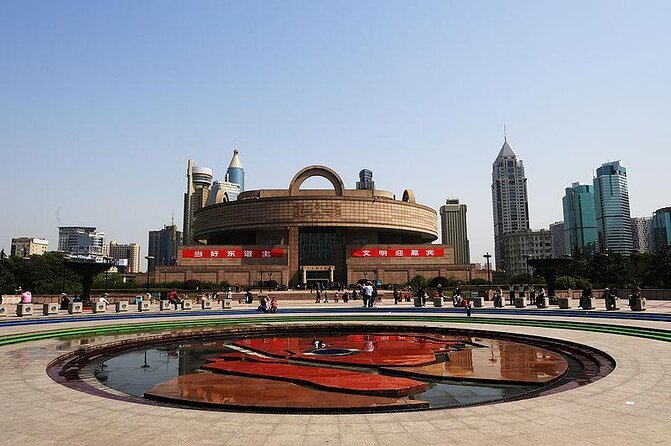
Shanghai sightseeing begins at the Shanghai Museum, one of China’s major museums for ancient art. You have about two hours to see its collections, which focus on artworks from earlier periods.
A museum visit provides useful balance after several days of outdoor monuments and imperial sites. It also gives you a break from the city streets before the afternoon becomes more active.
Next comes Yu Garden and the traditional bazaar nearby. The garden is known for classical design, winding paths, the Nine Zigzag Bridge, and the mid-lake pavilion. The zigzag layout was traditionally valued because it disrupted a direct path, and here it also creates changing views as you walk.
Allow about two hours for the garden and surrounding market area. The bazaar can be busy, so keep your belongings secure and listen for your guide’s meeting instructions.
The route then shifts sharply into modern Shanghai. You go to Duo Yun Bookstore on the 52nd floor of Shanghai Tower for a high-level city view, then continue to the Bund. This pairing works well: first you look across the present-day skyline from above, then you face the historic riverfront lined with colonial-era buildings.
The Bund is one of Shanghai’s best places for understanding the city’s split personality. Across the Huangpu River, you see the futuristic towers of Pudong. Behind you, the older waterfront architecture points to Shanghai’s international past.
The day ends with a one-hour Huangpu River cruise. The full river segment is listed as about two hours, including time around the waterfront. From the boat, the city’s scale becomes easier to read, especially as the older Bund and modern towers face each other across the water.
Day 8: Departure from Shanghai
After breakfast, you make your own way to Shanghai Pudong International Airport. The final airport transfer is not included because departure times vary.
Plan this last step before the trip begins. Ask your hotel or guide for practical directions, and leave enough time for the airport journey and check-in. Since the tour ends after breakfast, you should not expect a final guided activity.
Hotels, meals, and guide support
Accommodation is based on twin-sharing rooms. A solo guest must pay a compulsory single-room supplement, available on request. The package includes seven breakfasts, three lunches, and dinner, along with two bottled waters per person per day.
That meal coverage lowers the daily cost, but it does not mean every meal is included. Budget separately for meals not listed, drinks, snacks, tips, and personal purchases.
The guides are a major part of the tour’s appeal. Emily is specifically praised for quick help and for handling a medical problem when one participant needed hospital care. Candy in Beijing and Tracy in Xi’an are also singled out for being helpful and well-informed. Those details matter because a multi-city tour depends on people who can respond when plans become complicated.
The operator also says there are no shopping detours, factory stores, tea ceremonies, or shopping-site restaurants. That is a real advantage if you want your limited time spent at cultural sites rather than commercial stops.
Who should book this China tour?
I would choose this tour for a first visit to China when you want the main sights organized for you. It suits couples, families, and friends who value clear transport arrangements and guided context more than free time.
It is less suitable if you prefer slow mornings, long independent museum visits, or several nights in each city. The schedule is active, and the move from Beijing to Xi’an to Shanghai leaves little room for spontaneous detours.
The tour requires at least two people per booking. Most people can participate, but it is not suitable for wheelchair users or people over 80. Vegetarian meals can be arranged when requested in advance.
The price is appealing because it bundles the costly parts of a China trip: hotels, local transport, entrance fees, guides, the intercity train, and a domestic flight. The tradeoff is a fixed schedule and a strict cancellation policy. This experience is non-refundable and cannot be amended after booking, so confirm your passport information, travel dates, visa needs, and flight plans first.
FAQ
How long is the tour?
The tour lasts eight days, beginning with airport pickup in Beijing and ending after breakfast on Day 8 in Shanghai.
Which cities does the tour visit?
The route includes Beijing, Xi’an, and Shanghai.
Is airport pickup included?
Pickup from Beijing Capital International Airport is included on Day 1. A Shanghai airport pickup is also arranged when you arrive from Xi’an. The airport drop-off in Shanghai on Day 8 is not included.
Is transportation between the cities included?
Yes. The schedule includes a high-speed train from Beijing to Xi’an and a flight from Xi’an to Shanghai. The inclusions also refer to economy airfare between the cities, so confirm the exact transport arrangements before booking.
Are hotels included?
Yes. Hotel accommodation is included based on twin-sharing rooms. A solo guest must request and pay for a single-room supplement.
How many meals are included?
The package includes seven breakfasts, three lunches, and dinner. Other meals and personal food purchases are not included.
Is the Tang Dynasty show available all year?
No. The theater is closed in January, February, March, and December. During those months, the show is not included in the tour price.
What is the maximum group size?
The group can include up to 18 people.
Should you book it?
Book this tour if you want a well-organized first look at China’s three biggest headline destinations, with the difficult logistics handled by local guides. The strongest reasons are the small group, no-shopping policy, strong guide support, included entrance fees, and excellent range of sights.
Skip it if you want a relaxed pace or need a fully accessible itinerary. Eight days is enough to see the essentials, but not enough to linger. For the right person, this is a practical, high-value introduction to imperial Beijing, historic Xi’an, and modern Shanghai.
Just added in Xian
- Top 3 Xian Sites to Terracotta Army & Dinner Show w/ Options★ 4.7 · 11 reviews
- Terracotta Army, Huaqing Palace & Song of Everlasting Sorrow★ 5.0 · 3 reviews
- Terracotta Warriors And Xi’An DowntownTour★ 5.0 · 6 reviews
- Terracotta Army E Ticket with Optional Transfer or Guide★ 5.0 · 32 reviews
- Terracotta Army Day Tour from Xi’an-Tickets&Flexible Pickup★ 5.0 · 8 reviews
- The Legend Of Camel Bell In Xi’An★ 5.0 · 4 reviews
- Terracotta Army, Big Wild Goose Pagoda, City Wall Day Tour★ 5.0 · 2 reviews
- From Xi’an: Mt. Huashan Private Tour and Cable Car Ride★ 4.8 · 3 reviews
Xi'an Tours, compared.
Mini Group Xian Day Tour to Terracotta Army, City Wall, Pagoda and Muslim Bazaar
Read our review →

Terracotta Army Ticket & Guided Bus Tour with Options
Read our review →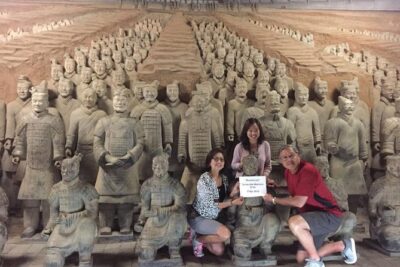
Customized Private Day Tour of Terracotta Warriors and Xi’an
Read our review →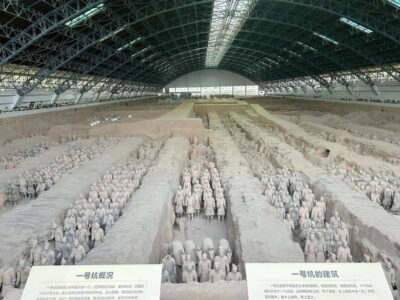
Exclusive Terracotta Army Tour & Local Family Lunch
Read our review →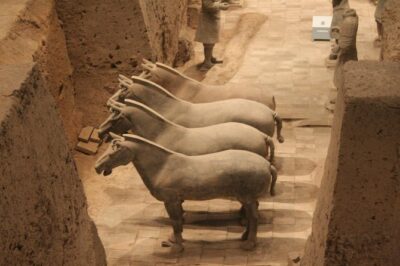
Half-Day Mini Group Xian Tour to Terracotta Warriors Museum
Read our review →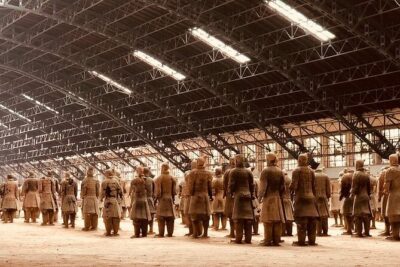
Where else this tour turns up