
Reviewed · SHENZHEN TOURS
200-year-old Hakka Residence Tour +Ancient Buddhist temple
Shenzhen’s past is still within reach. This 2.5-hour outing takes you away from the city’s glass towers and into two older worlds: a 200-year-old Hakka housing complex and a peaceful Buddhist temple with a history of about 1,000 years. You also get time beside the Longgang River wetlands, a welcome change from central Shenzhen.
I especially like the chance to see original rooms, furniture, kitchens, and Confucian classrooms rather than only polished monuments. I also like the small group, limited to five people, which gives you room to ask questions. The main consideration is that this is a walking tour, with no meal or water included, so comfortable shoes and a drink are important.
In This Review
- Key points to know before you go
- Why this tour matters in modern Shenzhen
- Entering the Luo Clan’s 300-room Hakka residence
- What Hakka architecture tells you about family life
- A quiet stop at the 1,000-year-old Buddhist temple
- Following Longgang River through restored wetlands
- What the $47 price includes
- Timing, transport, and group size
- Who should book this Shenzhen history tour?
- Practical advice for a smoother visit
- Should you book it?
- FAQ
- Where does the tour meet?
- What time does the tour start?
- How long does it take to reach Nanlian from Luohu?
- What language is the tour conducted in?
- How many people can join the group?
- Are meals and water included?
- Is the tour suitable for pregnant women?
Key points to know before you go
- The Hakka residence covers more than 25,000 square meters, with over 300 rooms in its original layout.
- The Luo Clan built the residence about 200 years ago, after Hakka people had settled in the Shenzhen area.
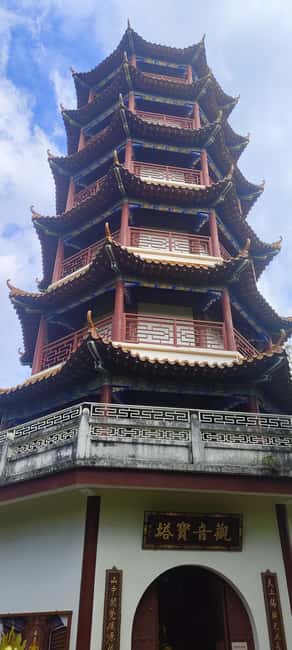
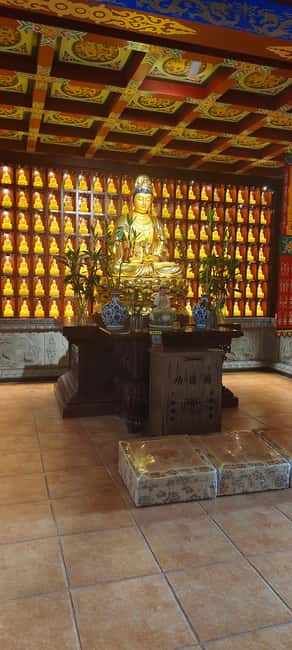
- The Buddhist temple is around 1,000 years old, with several structures and a pagoda dedicated to a female deity.
- Longgang River was restored through wetland work, changing a once-polluted waterway into a natural setting.
- The group is limited to five people, and the tour is conducted in English.
- You meet at 2 p.m. at Nanlian Metro Station, Exit C1, on Line 3.
Why this tour matters in modern Shenzhen
Shenzhen changed at remarkable speed over the last 30 years. A small settlement became one of China’s major modern cities, but that growth also erased many older buildings and neighborhoods. This tour gives you a practical way to see what remains.
The point is not simply to photograph old walls. The Hakka residence shows how a large family group organized daily life, study, cooking, storage, and security. The temple adds a religious setting still connected with local prayer. Then the river offers a reminder that urban development and environmental repair can exist side by side.
You reach the meeting point by taking the Metro to Nanlian Station on Line 3. The meeting time is 2 p.m. The description notes that the journey from Luohu takes about 60 minutes by MTR, so allow plenty of time if you are starting in central Shenzhen or crossing from Hong Kong.
This is not a full-day historical expedition. In 2.5 hours, you get a focused look at three nearby attractions. That makes it useful when you want something different from shopping districts, skyscrapers, and technology museums without giving up an entire day.
A few more to weigh up in Shenzhen
- Shenzhen Tech Tour: Explore the Future
★ 5.0 · 49 reviews - Customizable Private Shenzhen Tour with Local guide and Car
★ 5.0 · 48 reviews - Shenzhen Private Flexible Day Tour with Guide and Driver Service
★ 5.0 · 41 reviews
Entering the Luo Clan’s 300-room Hakka residence
The Hakka housing complex is the heart of the experience. It was built by the Luo Clan about 200 years ago and covers more than 25,000 square meters. With over 300 rooms, it is large enough to feel like a small enclosed settlement rather than one old family house.
The Hakka people had migrated from central China toward the Shenzhen area roughly 500 years ago. That background helps explain why the residence is worth seeing. You are not looking at an isolated antique building. You are seeing a physical record of how a community adapted, lived, studied, and passed on family traditions.
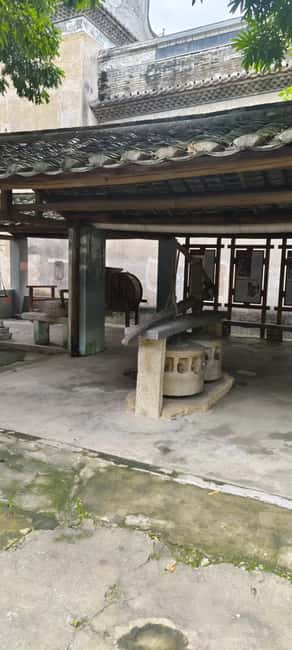
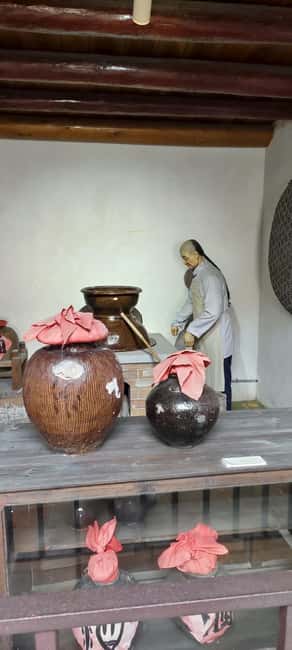
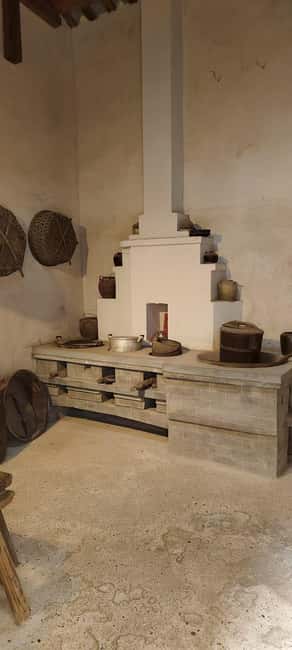
The original layout remains visible. You might find rooms arranged around shared spaces, with furniture that helps make the site easier to understand. The historic kitchen is still intact and ready for cooking. That detail is especially useful because kitchens often explain daily life better than grand halls do. They show where food was prepared, how large households functioned, and how work was divided.
The old classrooms add another layer. Children studied Confucianism there, giving you a direct link between the home, the family, and education. The residence was not only a place to sleep. It also served as a social and learning center.
I would pay attention to the guide’s explanations here rather than rushing from room to room. The buildings can look repetitive at first, especially if you are used to major tourist monuments. Their value appears when you understand how each part worked.
The setting is also good for photographs. The original structures and preserved interiors provide more character than a newly reconstructed attraction. Still, do not expect every corner to look perfectly restored. The appeal is the sense of an old place that retains its arrangement and purpose, not a spotless theme park.
What Hakka architecture tells you about family life
The residence gives you a useful correction to the idea that old Chinese homes were all elegant private compounds. A complex of this size reflects the importance of clan ties and shared life.
You can think of the site as a record of several generations living within one organized system. The classrooms point to education. The kitchen points to household work. The surviving furniture gives scale to the rooms. The layout shows how people moved through domestic and communal spaces.
Your guide is important here. Jimmy has received particular praise for making history lively, answering questions patiently, and speaking clear English. Another guide, described as friendly and helpful, has also led this experience. Since the group is capped at five, you should have a better chance of stopping to ask about details than you would in a large coach group.
That small size matters most at the residence. If you want to ask how the Hakka settled in the region, why the complex is so large, or how the classrooms were used, this format is more comfortable than a crowded group with a strict script.
A quiet stop at the 1,000-year-old Buddhist temple
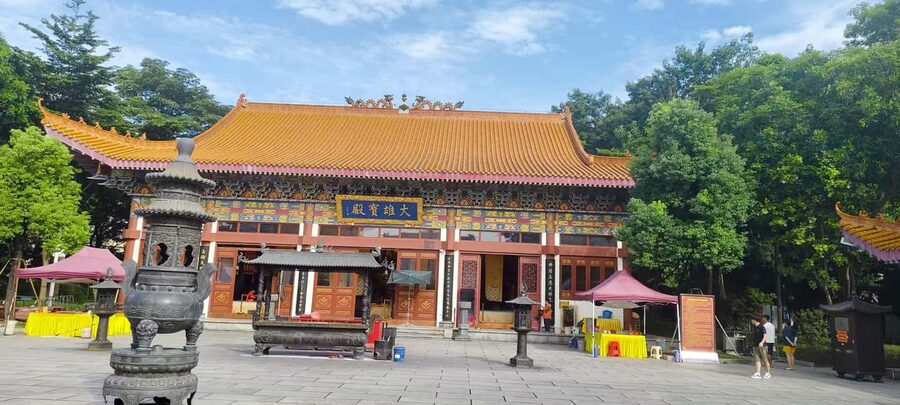
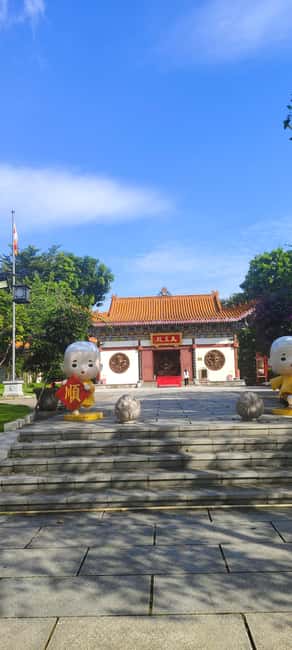
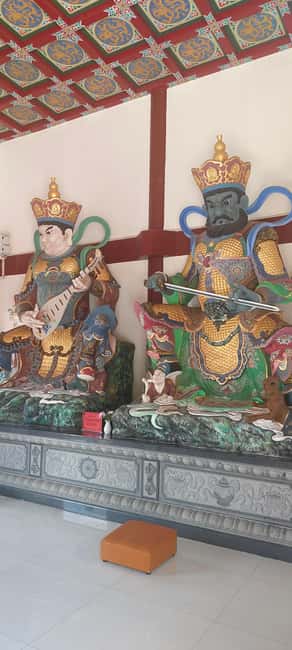
After the Hakka residence, the tour continues to a Buddhist temple with a history of about 1,000 years. The temple includes several structures, so you are not simply visiting one hall and leaving. The atmosphere is described as tranquil, and the site provides a slower change of pace after the larger housing complex.
A pagoda dedicated to a female deity is one of the notable features. You can make a wish there, following the local custom of praying for luck and good fortune. Even if you are not religious, this offers a respectful look at how the temple functions for the surrounding community.
The temple has been renovated, so it may not feel as weathered as the Hakka residence. That is worth keeping in mind. The older date refers to the temple’s long history, while the structures you see may include substantial restoration. This does not make the stop less worthwhile, but it changes what you are seeing: a living religious place maintained for continued use, not simply a ruin frozen in time.
Give yourself permission to slow down here. The temple is suited to walking, quiet observation, and photography of the larger structures. It is also a place where your guide can explain the religious features and local customs without turning the visit into a rushed checklist.
A completely different sort of day out:
- Shenzhen Tech Tour: Robotaxi, Drone Delivery & Innovation Demos
★ 5.0 · 18 reviews - Historia and Entertain Tour of the Youngest City of China
★ 4.8 · 9 reviews - ShenZhen: Tallest Building with Luxury Meal on Highest Floor
★ 4.7 · 7 reviews - Iconic Shenzhen Skyscraper – Ping An Finance Center
★ 3.4 · 6 reviews
Following Longgang River through restored wetlands
The final element is the Longgang River, a natural waterway that eventually runs into the Shenzhen River, the river separating Shenzhen from Hong Kong.
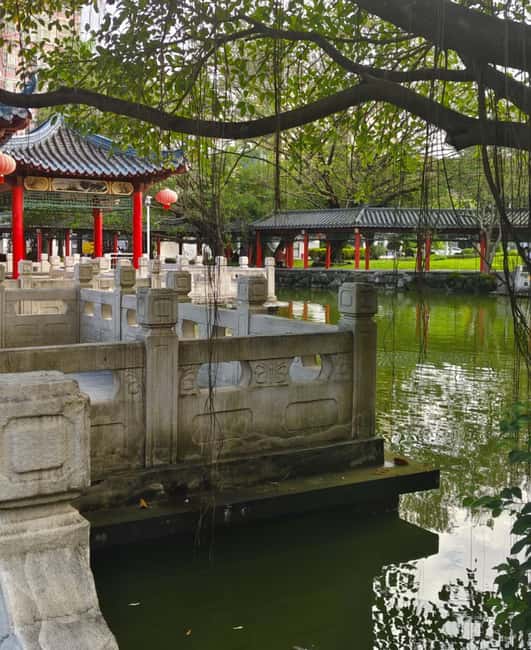
The river has an unusual environmental story. It was once among the most polluted rivers in Shenzhen. During the last decade, wetland restoration helped filter pollution and return parts of the waterway to a more natural state.
That makes this stop more than a scenic pause. You see how a city can address the damage caused by fast growth. The wetland setting also changes the mood of the tour. After enclosed courtyards, old rooms, and temple buildings, open water and vegetation give you breathing room.
The information provided does not promise a long riverside walk or specific wildlife sightings, so keep expectations sensible. You are visiting the river as part of a short tour, not taking a specialist nature trip. Still, the Longgang River adds variety and gives you a clearer sense of the wider area beyond Shenzhen’s central districts.
What the $47 price includes
At $47 per person, the cost is reasonable if you value a live English guide and transport between the sites. You are paying for access to several historical and cultural stops in one short outing, plus the convenience of moving between them without arranging every connection yourself.
The value is strongest for first-time visitors who would struggle to find the Hakka residence and temple independently, or who want historical context rather than a quick look at old buildings. A guide can connect the Hakka migration, family compound, temple customs, and river restoration into one local story.
The price does not include meals or water. That is easy to manage, but it affects your planning. Eat before the 2 p.m. start or bring something suitable, and carry water. Since the tour involves walking, you should not arrive in dress shoes or anything that becomes uncomfortable after several hours.
There is no suggestion of a meal stop, tasting, or shopping visit. That is good news if you prefer a direct cultural outing, but less useful if you want food included or a more leisurely full-day program.
Timing, transport, and group size
The tour lasts 2.5 hours, beginning at 2 p.m. from Nanlian Metro Station, Exit C1. The station is written in Chinese as 南联站 C1出口, which is useful if you need to confirm the location locally.
The MTR trip from Luohu takes about 60 minutes. Treat that as part of the day’s planning, not as part of the advertised tour length. If you are coming from Hong Kong, you will need additional time for the cross-border journey and local transport.
Transportation between the tour sites is included. The meeting point is a Metro station, so you should plan your route to Nanlian separately and arrive early enough to find Exit C1 without stress.
A five-person maximum is one of the best practical features. You are less likely to be separated from the guide, and questions can shape the pace. The tradeoff is that a very small tour may feel more dependent on the guide’s style. Here, the strongest praise has focused on Jimmy’s humor, clear English, patience, and enjoyment of teaching history.
Who should book this Shenzhen history tour?
I would recommend it most to you if you:
- Want to see an older side of Shenzhen beyond its modern city center.
- Enjoy architecture, family history, and local religious sites.
- Prefer a small group and a live English guide.
- Have about half a day available, including Metro travel to the meeting point.
- Are comfortable walking for the duration of the tour.
- Want a focused cultural experience rather than shopping or nightlife.
It is also a good choice for visitors who have already seen Shenzhen’s modern attractions and want more context about the area’s earlier communities.
You may want to skip it if you need a wheelchair-friendly itinerary, dislike walking, or are looking for a food-centered experience. The tour is specifically described as a walking tour, and it is not suitable for pregnant women. Meals and water are not included.
Practical advice for a smoother visit
Wear comfortable shoes. This is the one item specifically recommended, and it is sensible given the walking involved at the residence, temple, and river area.
Bring water because it is not supplied. A meal is also not included, so plan around the 2 p.m. meeting time rather than expecting food during the tour.
Use the Chinese station name, 南联站 C1出口, when checking your route. Nanlian is on Line 3, and the journey from Luohu can take about an hour.
Keep your questions ready. The small group makes this a good setting to ask about Hakka migration, the Luo Clan, Confucian education, temple worship, or the river’s environmental repair. The guide’s role is a major part of the value.
The booking terms are flexible: you can reserve now and pay later, and cancellation up to 24 hours in advance qualifies for a full refund. Check the available start time when booking, since the listed meeting time is 2 p.m. and availability can affect scheduling.
Should you book it?
Book this tour if you want Shenzhen’s older story in a compact, well-guided format. The Hakka residence is the strongest reason to go, with its large scale, preserved layout, old furniture, kitchen, and classrooms. The Buddhist temple adds calm and local religious meaning, while Longgang River shows a different side of the city’s recent past.
At $47, the tour offers good value for a small group, English guidance, and transport between sites. Just plan for the long MTR ride from Luohu, bring water, eat beforehand, and expect a walking-focused afternoon rather than a luxury excursion.
FAQ
Where does the tour meet?
The meeting point is Nanlian Metro Station, Exit C1, on Line 3. The Chinese station name is 南联站 C1出口.
What time does the tour start?
The meeting time is 2 p.m. The total duration is about 2.5 hours.
How long does it take to reach Nanlian from Luohu?
The journey from Luohu takes about 60 minutes by MTR.
What language is the tour conducted in?
The live tour guide speaks English.
How many people can join the group?
The tour is limited to five participants.
Are meals and water included?
No. Meals and water are not included, so you should eat beforehand and bring your own water.
Is the tour suitable for pregnant women?
No. The experience is listed as unsuitable for pregnant women. It is also described as a walking tour, and comfortable shoes are recommended.
Just added in Shenzhen
- Tour of Future: Explore Shenzhen Tech World & Drone Delivery★ 5.0 · 2 reviews
- Iconic Shenzhen Skyscraper – Ping An Finance Center★ 3.4 · 6 reviews
- Shenzhen: Window of the World Full Day Adult Ticket★ 5.0 · 2 reviews
- Shenzhen:8h City Walk & Future Experience Highlights Trip★ 4.4 · 6 reviews
- Shenzhen: Royal Dinning Experience with Culture Performance★ 4.4 · 2 reviews
- ShenZhen: Tallest Building with Luxury Meal on Highest Floor★ 4.7 · 7 reviews
- Shenzhen: Dapeng Peninsula Day Tour with Hotel Pickup★ 3.6 · 4 reviews
- Shenzhen: Immersive Tang Dynasty Banquet Show★ 4.5 · 2 reviews
Shenzhen Tours, compared.


Customizable Private Shenzhen Tour with Local guide and Car
Read our review →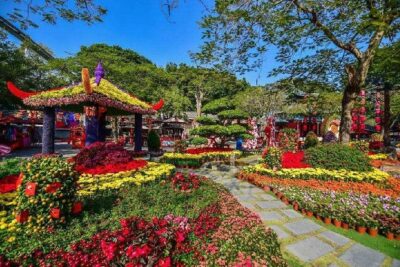
Shenzhen Private Flexible Day Tour with Guide and Driver Service
Read our review →
Shenzhen Tech Tour: Robotaxi, Drone Delivery & Innovation Demos
Read our review →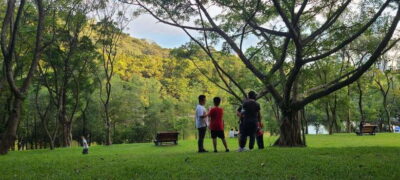
Historia and Entertain Tour of the Youngest City of China
Read our review →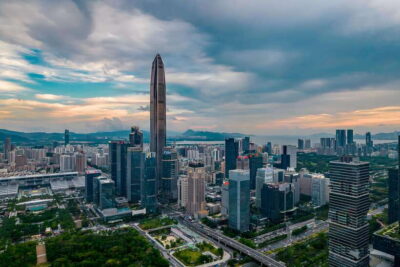
Tallest Building with Luxury Meal on Highest Floor
Read our review →
Huaqiangbei Insider Tour: Explore Shenzhen’s Tech Wonderland
Read our review →
Shenzhen:8h City Walk & Future Experience Highlights Trip
Read our review →Where else this tour turns up