
Reviewed · YU GARDEN TOURS
Shanghai: Yu Garden and City God Temple Walking Tour
Old Shanghai still has room to surprise. This three-hour walk brings you from the delicate rockeries and ponds of Yu Garden to the incense-filled City God Temple, then into tea shops, craft stalls, and local food stops. I like the way it links pretty sights with ordinary neighborhood life, and I especially like the option to add a soup dumpling tasting. The main consideration is that entrance tickets are not included, and the busy old streets can feel crowded.
The strongest part is the guide. Leo earned praise for giving useful historical context beyond Yu Garden, while Linda looked after every detail, from ordering plenty of dumplings to helping her group find a taxi afterward. You should also be ready for a walking tour in all weather, with comfortable shoes and an ID required.
In This Review
- Key points at a glance
- Why this three-hour walk works in Shanghai
- Entering Yu Garden, Shanghai’s classic private garden
- Walking through the old city streets
- Understanding the City God Temple
- Yu Garden Old Street, crafts, and tea
- The optional Xiaolongbao tasting
- What the $60 price gives you
- Meeting point and practical planning
- Who will enjoy this Shanghai tour most?
- Should you book the Yu Garden and City God Temple walk?
- FAQ
- How long does the Shanghai Yu Garden and City God Temple tour last?
- What languages are available?
- Where does the tour meet?
- Are Yu Garden and City God Temple entrance tickets included?
- Is soup dumpling tasting included?
- Is hotel pickup available?
- What should I bring?
- Can I cancel the tour?
Key points at a glance
- Yu Garden’s classic private-garden design: See ponds, rockeries, pavilions, paths, and carefully framed views in one of Shanghai’s best-known gardens.
- City God Temple in daily use: Learn how Taoist beliefs connect the temple with prayers for luck, peace, and protection.
- Soup dumplings are optional: Add the snack option for Xiaolongbao and a guided look at broth, filling, and dumpling skin.
- Old Shanghai beyond the postcard: Walk past family-run shops, small stalls, craft sellers, and residents going about ordinary routines.
- Tea and bargaining advice: Taste high-end Chinese teas and ask your guide how to negotiate prices in the bazaar.
- Simple central meeting point: Meet outside the main door of the Renaissance Shanghai Yu Garden Hotel, five minutes from Exit 1 at Yuyuan Garden Station.
Why this three-hour walk works in Shanghai
Shanghai can feel very modern at first glance. Glass towers, wide roads, and polished shopping streets often get most of the attention. This tour takes you into a different part of the city, where old religious customs, garden design, neighborhood commerce, and street food all sit close together.
I like that the route is not limited to a single famous sight. You get Yu Garden, the City God Temple, Yu Garden Old Street, local shops, a tea stop, and optional food. That gives you a better sense of how the area functions, rather than treating it as a quick photo stop.
The three-hour length is useful. It is long enough for a proper look around, but short enough to fit into a larger day in Shanghai. You could schedule it in the morning before other sightseeing, or use it as an afternoon introduction to the old city.
The tour is conducted in English or Chinese, and the listed rating is 4.9 out of 5 from 27 ratings. The guide can make a real difference here because the area is packed with visual detail. Recent guide names include Leo, Patrick, and Linda. Leo was praised for adding historical information beyond the main garden visit, while Linda was especially attentive with food and onward transport.
More Walking Tours in Shanghai
- Shanghai Highlights Walking Tour With A Real Local
★ 4.9 · 153 reviews - Shanghai Breakfast Walking Tour of Former French Concession
★ 5.0 · 139 reviews - Private Shanghai Evening Street Food Walking and Cruise Tour
★ 5.0 · 123 reviews
Entering Yu Garden, Shanghai’s classic private garden
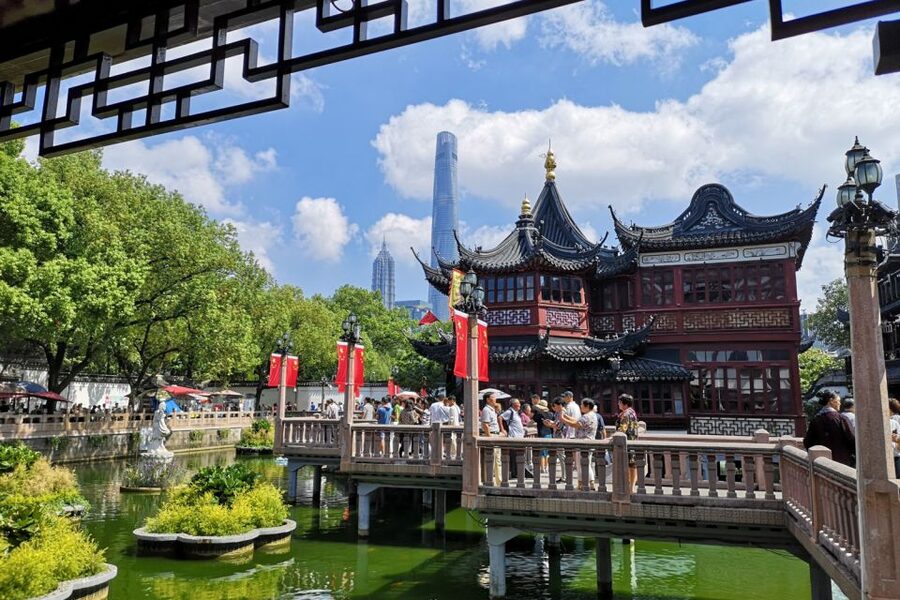
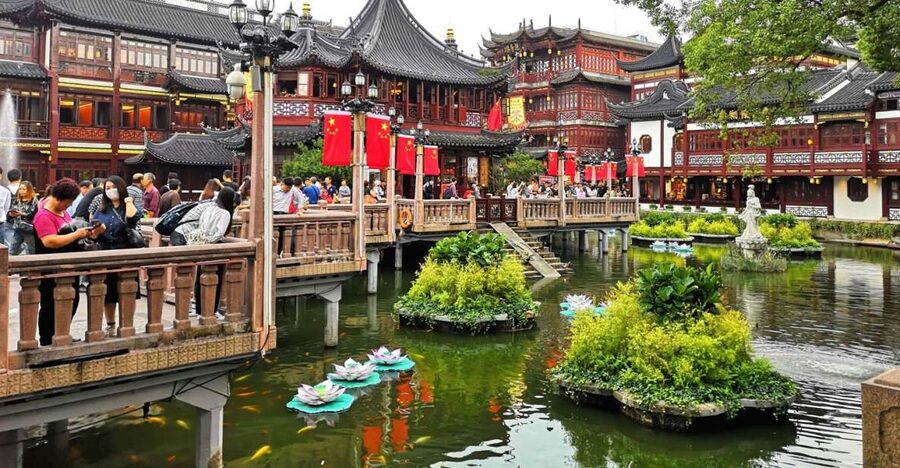
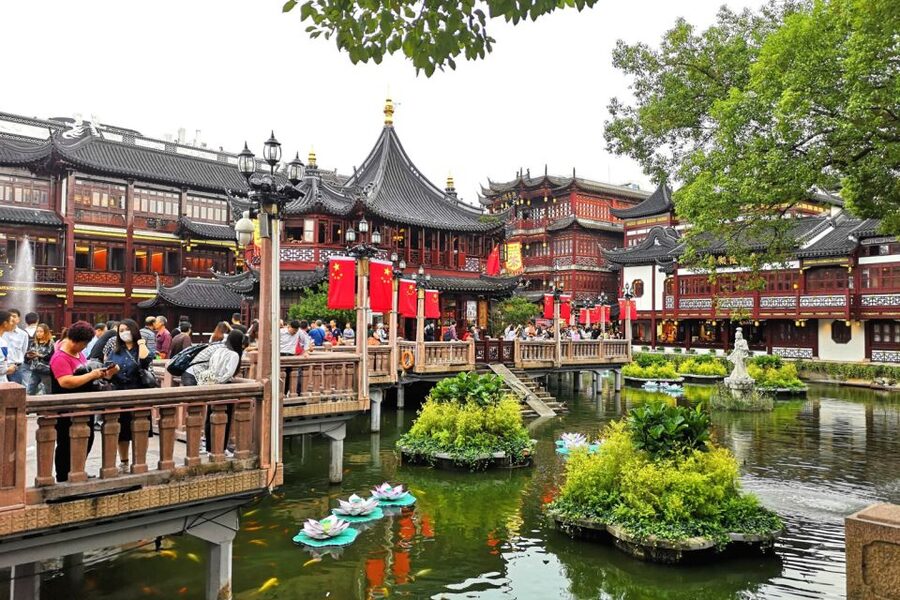
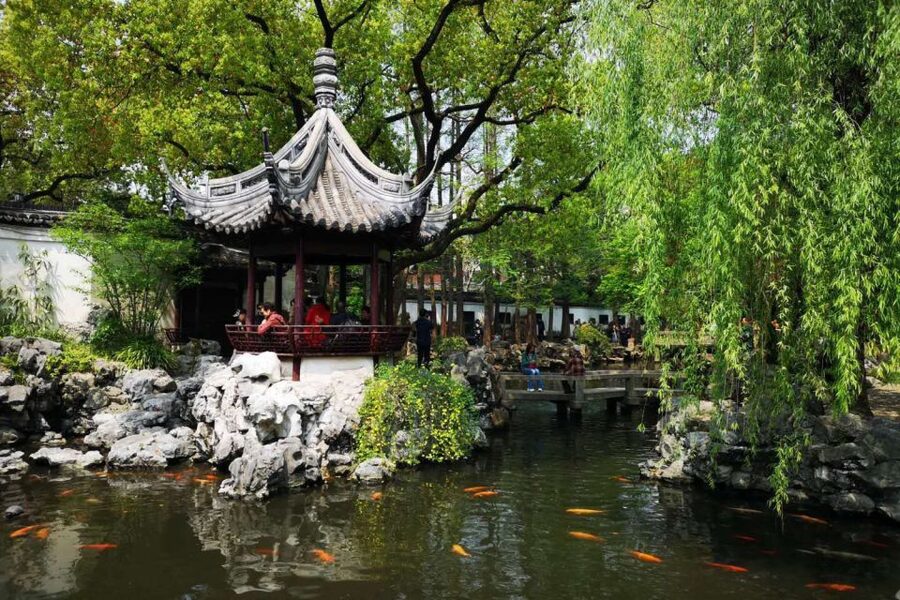
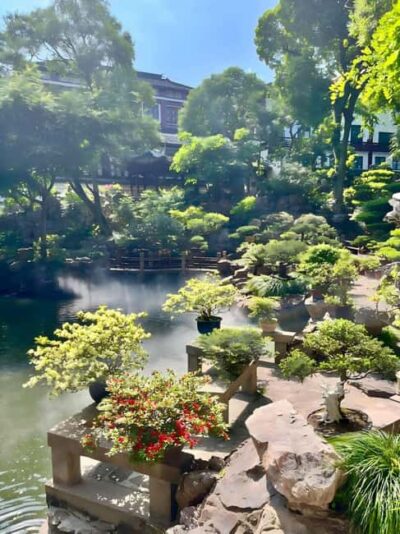
Yu Garden is the tour’s main visual prize. It is one of China’s finest private gardens, designed around the old principles of Chinese garden building. Instead of one grand open space, expect a sequence of smaller scenes shaped by walls, doorways, ponds, rocks, pavilions, and winding paths.
That design matters because you rarely see the whole garden at once. A doorway may frame a pavilion. A wall may hide a pond until you turn a corner. The route encourages you to slow down and notice how the garden creates changing views in a small area.
Your guide can explain the purpose behind these features and help you read the garden as more than a collection of attractive buildings. The value of having a guide is strongest here. Without context, you may simply see ornate roofs and unusual stones. With explanation, the arrangement becomes easier to understand.
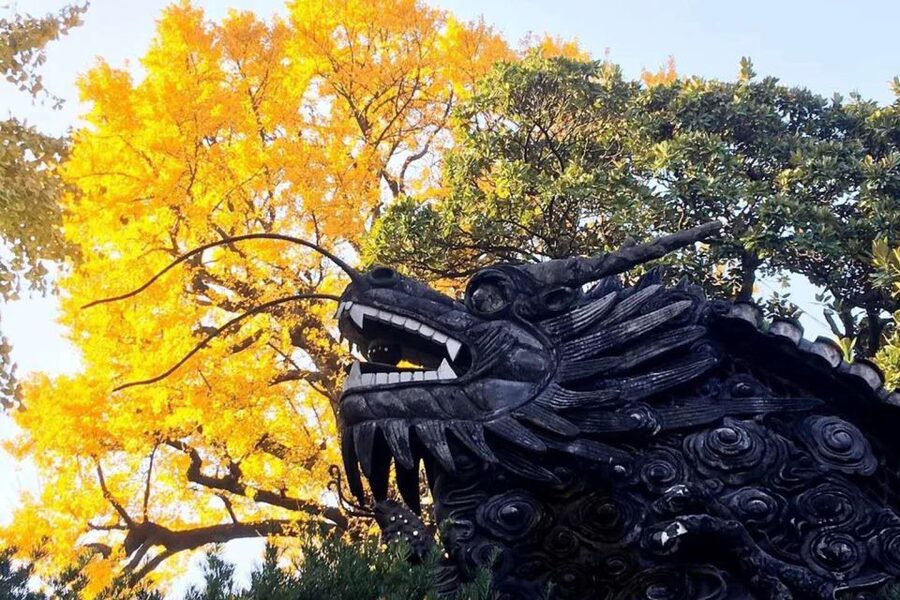
Give yourself time to look up and around. Roof details, carved screens, gateways, and decorative walls are easy to miss when the garden is busy. The setting is beautiful, but this is not a private visit. Other people will be there, and popular viewpoints can feel crowded.
That is the chief drawback of Yu Garden. The garden’s compact design makes it visually rewarding, but it also means that a busy group can affect the experience. One rating joked that the garden was so lovely they would have preferred to keep other people out. That feeling is understandable, especially if you hope for quiet photographs.
Even so, a guide-led visit gives you a better chance of seeing the important parts within the available time. You can ask questions as you go, rather than trying to work out the symbolism and layout alone.
Walking through the old city streets
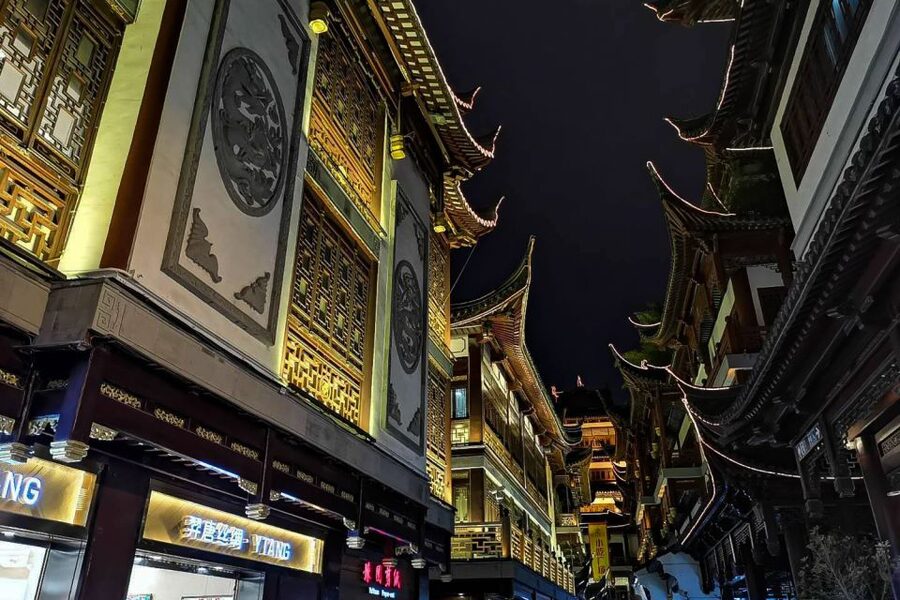
After Yu Garden, the tour moves into streets around the garden and temple district. This is where the experience becomes less polished and more connected to daily life. You might see tiny family-owned shops, local residents, and stalls selling bargain items alongside businesses aimed at sightseers.
The contrast is the point. The old city is changing, and your guide can explain that shift while you walk. One minute you may be looking at traditional craft work, and the next you are passing a small shop where everyday goods are sold.
The information provided does not promise a fixed list of stores or a set amount of shopping time, so you should think of this section as guided street exploration rather than a shopping excursion. If you want souvenirs, ask your guide for help with prices and bargaining. That advice can be more useful than wandering into a shop without knowing how the local buying process works.
The area can be busy and noisy. It is also a place where you should stay aware of your belongings and watch your footing. The tour takes place rain or shine, so bring suitable clothing and shoes. Comfortable footwear is not a minor suggestion here. Three hours on city streets, garden paths, and marketplace lanes can be tiring if you arrive in dress shoes.
The old street section also adds humor and texture. The description notes that you may see residents still dressed in pajamas. That detail says a lot about the neighborhood. It is not only a stage set for sightseeing. People still live and carry on ordinary routines around the major attractions.
Understanding the City God Temple
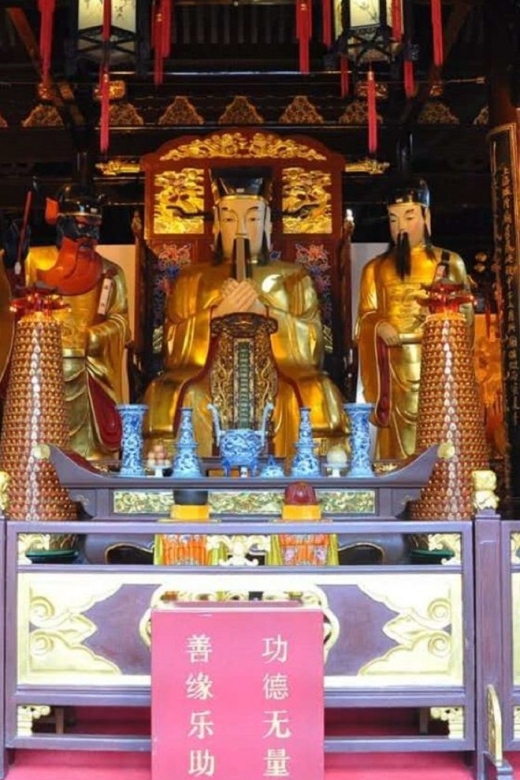
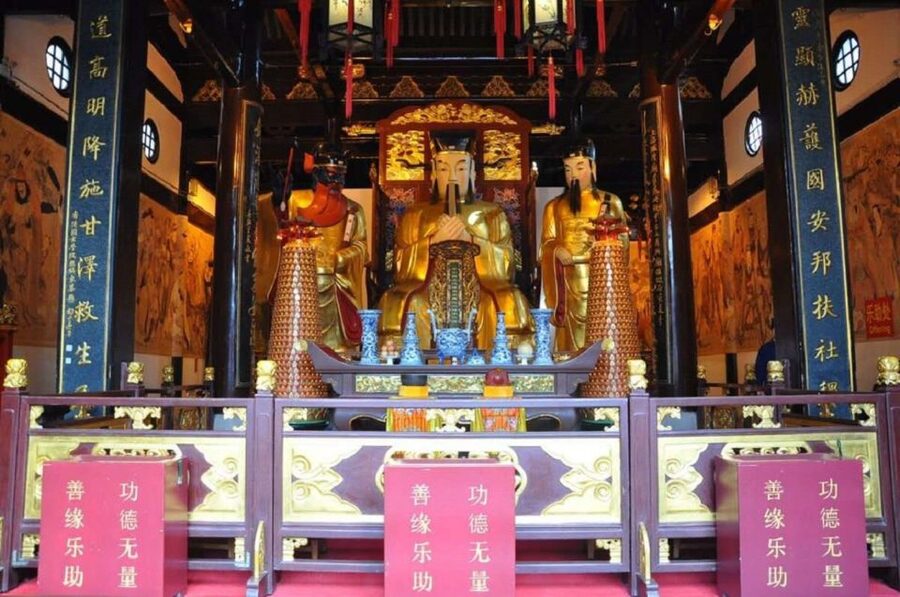
The City God Temple gives the tour a religious and cultural center. Local residents visit to pray for good fortune and peace, and the guide introduces the Taoist beliefs connected with the site.
You do not need a specialist background in Chinese religion to appreciate this stop. The important point is that the temple remains linked to personal hopes and daily concerns. People come not just to admire architecture, but to ask for protection, luck, and calm.
The temple’s popularity helped shape the surrounding district. Shops and food businesses gathered nearby, creating the traditional commercial area you see today. This explains why the temple and marketplace feel so closely joined. Religion brought people to the site, and commerce grew around that steady flow.
Entrance tickets to Yu Garden and the City God Temple are not included in the $60 price. That is worth checking before you book, because the advertised tour cost is not the full cost of every activity. The guide is included, but you should budget separately for entry fees, drinks, souvenirs, and any other purchases.
Still, the temple stop adds value because it gives meaning to the streets around it. Without that context, the district can look like a collection of shops. With it, you can see how belief, business, and neighborhood life developed side by side.
More Yu Garden visits:
- Best of Shanghai Day Tour, including Jade Buddha Temple & Bund & Yuyuan Garden
★ 4.0 · 338 reviews - Shanghai: Yu Garden Admission Ticket
★ 4.6 · 260 reviews - Yu Garden, Old Street, Bund & Zhujiajiao Water Town Bus Tour
★ 4.7 · 244 reviews - Shanghai Day Tour to Zhujiajiao Water Town, Yu Garden, Bazaar, Bund
★ 5.0 · 162 reviews
Yu Garden Old Street, crafts, and tea
The bazaar around Yu Garden Old Street is the most natural place to browse for gifts. The tour may include introductions to porcelain art, wooden crafts, and jewelry crafts, giving you a chance to see what is sold beyond standard food and clothing stalls.
I would approach this part with curiosity rather than a shopping checklist. The tour does not guarantee a particular purchase or a fixed shopping stop, and prices can vary. If you are interested in buying something, ask the guide to explain the best way to bargain before you commit.
The tea stop is another useful touch. You have an opportunity to taste various high-end Chinese teas in a local tea shop. That can help you compare flavors and understand what you are being offered before buying anything.
Drinks are not included, so any tea you purchase or consume beyond the tasting opportunity may cost extra. You also do not need to buy something to make the stop worthwhile. Treat it as a short introduction to Chinese tea culture and a chance to ask questions.
This part of the tour works best for people who enjoy small details. You can look at the materials and workmanship in the crafts, listen to the guide’s explanations, and decide for yourself if anything deserves space in your luggage. The tour gives you support, but it does not force you into a shopping agenda.
The optional Xiaolongbao tasting
The snack option is one of the clearest ways to improve the tour. If you select it, you taste Shanghai’s famous soup dumplings, known as Xiaolongbao, and learn how to judge three important parts: the broth, the meat filling, and the dumpling skin.
This is more useful than simply being handed a snack. Soup dumplings can be tricky to eat, and the guide can explain what to look for in the flavor and texture. You can pay attention to the consistency of the broth, the quality of the filling, and whether the skin is pleasantly thin and well made.
The amount of food may also be generous. Linda was praised for arranging so many dumplings that her group decided it did not need an evening meal. That should not be treated as a guaranteed dinner replacement, but it does suggest that the snack option can be substantial.
Remember that drinks are not included. If you want tea, water, or another drink with the dumplings, plan to pay separately.
The food option is especially worthwhile if you are new to Shanghai cuisine or unsure where to try Xiaolongbao. It removes some guesswork and gives you a guide who can explain what is on the plate. If you have already planned a large meal immediately afterward, however, the snack may be more food than you need.
What the $60 price gives you
At $60 per person, this is not the cheapest way to stroll through the Yu Garden area. The price makes more sense if you value a live guide, cultural explanation, and a planned introduction to several connected sights.
You are paying for three hours of guided walking, the English or Chinese service, and help making sense of a dense historic district. The optional dumpling tasting can improve the value, especially if you would otherwise pay for a separate food stop and still need to choose a reliable place.
The price does not cover Yu Garden or City God Temple entry tickets. Hotel drop-off is also not included. Hotel pickup is available only if you select the pickup option, so check the exact package before booking.
For a first visit to Shanghai, I consider the tour good value if you want orientation and local context. It is less appealing if you prefer to explore at your own pace, spend a long time photographing the garden, or shop without a schedule.
The free cancellation policy, with a full refund available up to 24 hours before the start, adds useful flexibility. You can also reserve and pay later, which helps if your Shanghai plans are still shifting.
Meeting point and practical planning
Meet your guide outside the main door of the Renaissance Shanghai Yu Garden Hotel. The hotel is about a five-minute walk from Exit 1 of Yuyuan Garden Station on Metro Line 10.
The guide will hold a GetYourGuide logo with your name. I would arrive early enough to find the hotel entrance without rushing. The area can be crowded, and a few extra minutes gives you time to confirm you are in the right place.
Bring a passport or ID card. A copy is accepted, according to the tour information. Wear comfortable shoes, since the experience is entirely centered on walking.
The tour runs rain or shine. A light raincoat, sun protection, and water are sensible choices, though drinks are not included. Tips are optional and not part of the ticket price.
The activity is listed as wheelchair accessible. If you need specific assistance, it is still sensible to confirm your requirements when booking, especially since the route includes garden and market areas.
Who will enjoy this Shanghai tour most?
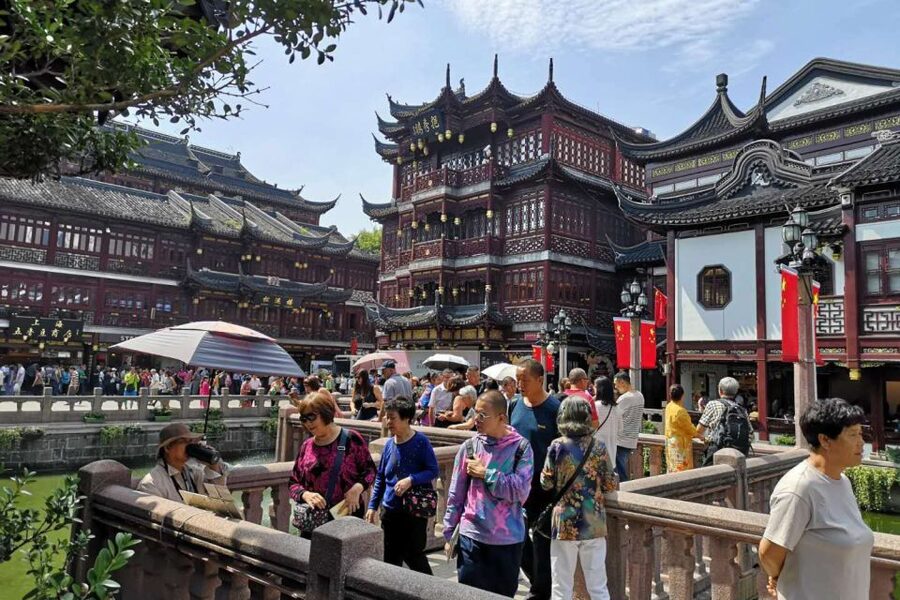
I would recommend this experience to first-time visitors who want an easy introduction to Shanghai’s old city. It suits people who enjoy history, religion, food, shopping, and everyday street scenes in one compact outing.
It is also a good choice if you want a guide who can help with more than dates and facts. Leo’s extra historical explanations were singled out as a strength, while Patrick was praised for leading a very enjoyable walk. Linda’s care with dumplings and taxi arrangements shows how much the individual guide can shape the day.
Families and mixed-interest groups may find the format practical because the route offers several kinds of stops. One person can focus on garden design, another on temple customs, and another on food or crafts.
You may want a different plan if your top priority is solitude. Yu Garden and the surrounding market can be crowded, and the tour follows a schedule. Independent explorers may prefer to return to the garden alone later, when they can move at their own speed.
Should you book the Yu Garden and City God Temple walk?
Book it if you want three well-used hours, clear explanations, and a taste of Shanghai beyond its modern center. The strongest reasons are the guide-led visit to Yu Garden, the Taoist context at City God Temple, and the optional Xiaolongbao tasting.
Choose the snack option if soup dumplings are high on your list. Confirm the entry-ticket cost before booking, and remember that drinks and hotel drop-off are extra.
I would skip it only if you dislike guided pacing or have already explored this district in detail. For most first-time visitors, the mix of garden beauty, neighborhood life, religion, tea, crafts, and food offers a practical introduction at a fair price.
FAQ
How long does the Shanghai Yu Garden and City God Temple tour last?
The tour lasts three hours.
What languages are available?
The live guide service is available in English and Chinese.
Where does the tour meet?
Meet your guide outside the main door of the Renaissance Shanghai Yu Garden Hotel, also called 上海豫园万丽酒店. It is about a five-minute walk from Exit 1 of Yuyuan Garden Station on Metro Line 10.
Are Yu Garden and City God Temple entrance tickets included?
No. Entrance tickets for Yu Garden and City God Temple are not included in the tour price.
Is soup dumpling tasting included?
Soup dumpling tasting is included only if you select the snack option when booking.
Is hotel pickup available?
Hotel pickup is available if you select the hotel pickup option. Hotel drop-off is not included.
What should I bring?
Bring comfortable shoes and a passport or ID card. A copy of the ID is accepted.
Can I cancel the tour?
Yes. You can cancel up to 24 hours in advance for a full refund. You can also reserve now and pay later.
Just added in Shanghai
- Suzhou Private Guided Day Trip from Shanghai by Bullet Train★ 5.0 · 46 reviews
- Suzhou and Zhujiajiao Private Guided Day Trip from Shanghai★ 5.0 · 27 reviews
- Shanghai:Wing Chun Kung Fu in Shanghai’s Beautiful Park★ 5.0 · 2 reviews
- Shanghai: Zhujiajiao Water Town with Calligraphy Experience★ 5.0 · 17 reviews
- Shanghai:Old Town, Yu Garden, Zhujiajiao Water Town Bus Tour★ 4.7 · 16 reviews
- Shanghai: Yu/Yuyuan Garden Entry Ticket–E ticket★ 4.4 · 24 reviews
- Shanghai: Yuyuan, City God Temple Old City Tour-Tip Based★ 5.0 · 10 reviews
- Shanghai: Zhujiajiao Water Town Private Tour with Boat Ride★ 5.0 · 2 reviews
Yu Garden Tours, compared.
Best of Shanghai Day Tour, including Jade Buddha Temple & Bund & Yuyuan Garden
Read our review →

Yu Garden, Old Street, Bund & Zhujiajiao Water Town Bus Tour
Read our review →
Shanghai Day Tour to Zhujiajiao Water Town, Yu Garden, Bazaar, Bund
Read our review →
Private Yu Garden, The Bund, French Concession, Pudong Half-Day Tour
Read our review →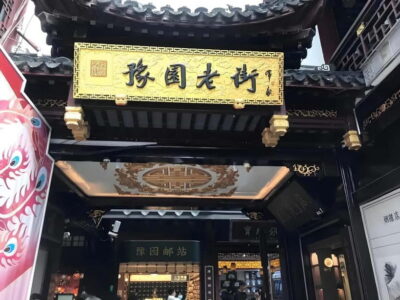

Where else this tour turns up