
Reviewed · DRINKING TOURS
Shanghai Mahjong Experience in Local Tea Bar
Tiles make better souvenirs than magnets.
This three-hour Shanghai Mahjong experience takes you into a local tea bar in the Former French Concession, where you learn the game from Jenny and local friends rather than from a standard sightseeing script. I like the real neighborhood setting and the chance to use China’s automatic Mahjong tables, which turn a traditional game into a very practical look at modern Chinese leisure. I also like that English translation and instruction sheets make the class friendly to complete beginners.
The main consideration is the price: $95 per person is a serious outlay for a three-hour activity, especially since tea, coffee, and other drinks cost extra. You are paying for private attention, a cultural lesson, and a social afternoon, not simply for access to a table.
In This Review
- Key Details Before You Book
- Three Hours in Shanghai’s Former French Concession
- Learning Mahjong Without Getting Lost
- Automatic Tables and the Modern Side of Mahjong
- Why the Tea Bar Setting Matters
- Mahjong’s Place in Chinese Life
- Playing With Jenny and Local Friends
- A Useful Follow-Up Walk Near Tianzifang
- Is $95 a Fair Price?
- Who Will Enjoy This Most?
- Practical Details That Affect Your Afternoon
- Should You Book the Shanghai Mahjong Experience?
- FAQ
- Where does the Shanghai Mahjong experience begin?
- How long does the experience last?
- Is the experience suitable for complete beginners?
- Is English translation available?
- Do I get to use an automatic Mahjong table?
- Are tea and other drinks included?
- Is this a private activity?
- Can I explore Tianzifang after the class?
- What is the cancellation policy?
Key Details Before You Book
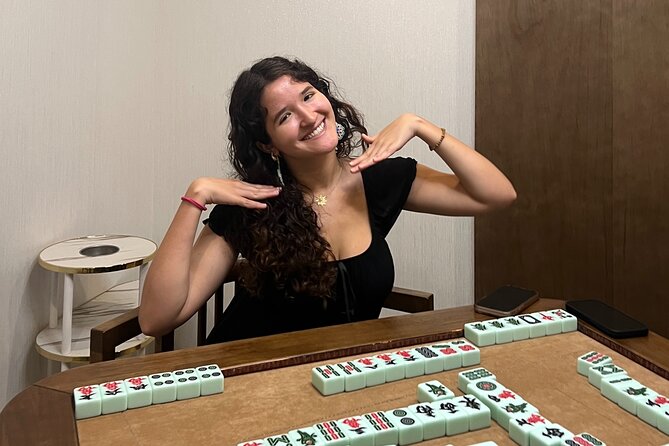
- You learn in a local tea bar: The setting gives the class a more everyday feel than a hotel meeting room or large tour venue.
- Jenny teaches with English support: An instructor and translator help you follow the rules, tactics, and cultural background.
- Automatic Mahjong tables are part of the lesson: You get to see the machines commonly used for casual and competitive play in China.
- Beginners are welcome: No previous Mahjong experience is required, and handouts help you keep track of the rules.
- The meeting point is central: Start at 327 Shan Xi Nan Lu in Huangpu District, near public transportation and the Former French Concession.
- Tianzifang is nearby: After the class, you can continue exploring the neighborhood on your own.
Three Hours in Shanghai’s Former French Concession
The experience begins at 327 Shan Xi Nan Lu, Huangpu District. The address places you in central Shanghai, near public transportation and within the broader Former French Concession area. Check the exact route before setting out, since Shanghai addresses can be easier to locate with a map app than by simply showing the street name to a taxi driver.
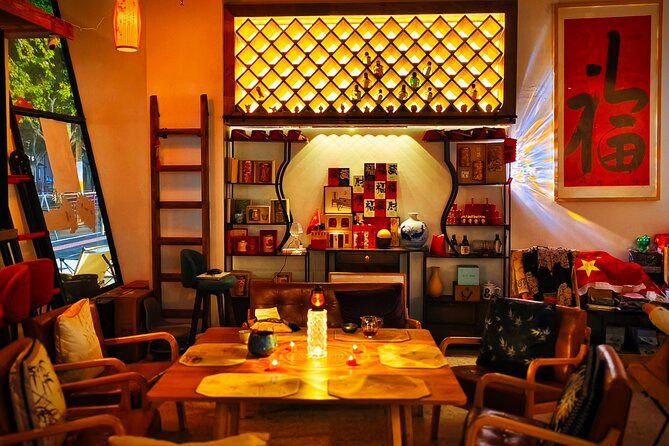
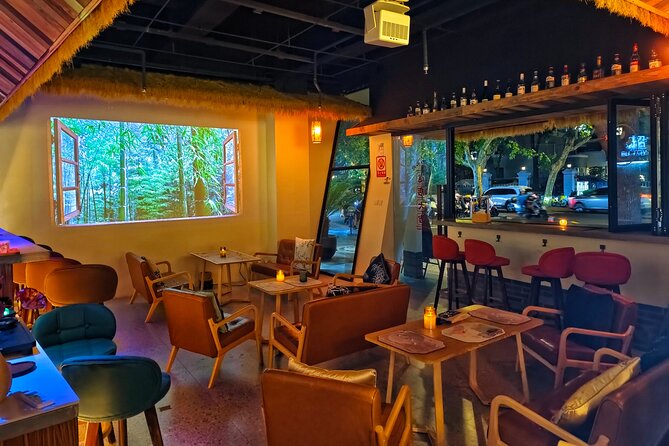
From there, you enter a local Chinese tea bar. This is an important part of the experience. Mahjong makes more sense when you see it in a social setting, surrounded by tea-house atmosphere, rather than treating it as a set of abstract rules on a printed page.
The venue is described as a real local neighborhood tea bar, not a purpose-built attraction. That means the setting should feel informal and lived-in. It also means you should not expect a polished show with staged performances or a long list of sightseeing stops. The point is to sit down, learn, play, and talk.
The full activity lasts about three hours. That is enough time to introduce the game, explain its place in Chinese life, practice with the tiles, and play several hands with help nearby. Mahjong has many rules and regional styles, so three hours will not turn you into an expert. It should, however, give you a working grasp of the basic structure and the confidence to recognize what is happening at a table.
A few more to weigh up in Shanghai
- 4-Hour Shanghai Pub Crawl (bars & nightclub hopping)
★ 4.8 · 190 reviews - Shanghai bar hopping tour in the former french concession
★ 5.0 · 43 reviews - Shanghai Authentic Dinner and Night River Cruise with Rooftop Bar Hopping Option
★ 5.0 · 37 reviews
Learning Mahjong Without Getting Lost
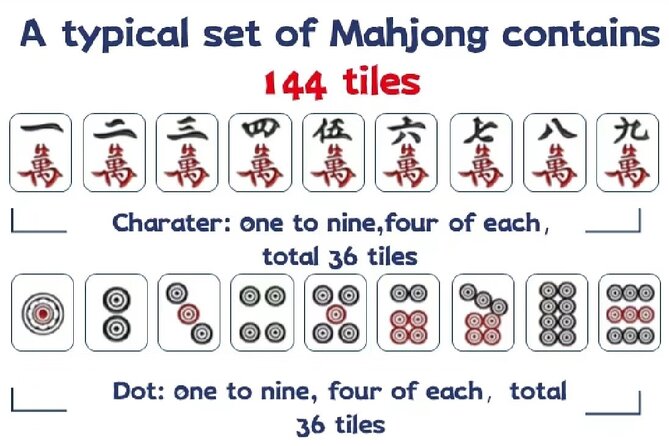
Mahjong can look intimidating at first. Four players sit around a square table, tiles are arranged and discarded quickly, and familiar-looking symbols do not always reveal what they mean. The lesson is designed to remove that first barrier.
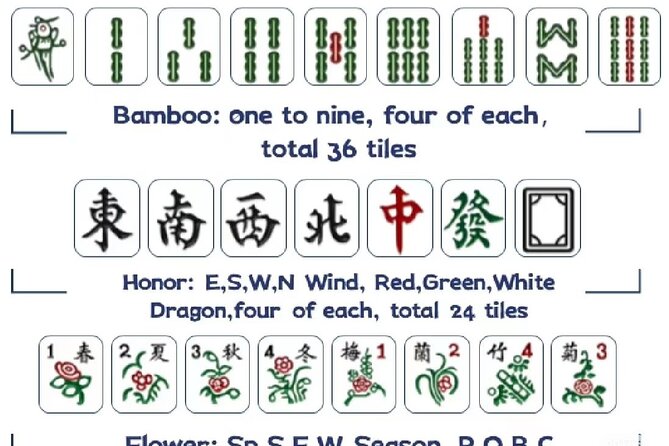
You start with the basics. The instructor explains the tiles, the aim of the game, the flow of a hand, and the main rules. The class also covers simple strategies and techniques, so you are not only memorizing procedures. You begin to understand why players draw, discard, collect sets, and watch the table.
The English translator matters here. A literal explanation of Mahjong can leave beginners confused, especially when a single word has a special meaning within the game. With professional English support, you can ask questions as they come up and follow the cultural explanations instead of spending the whole afternoon trying to decode instructions.
Jenny is named as the instructor in the available accounts, and her local friends help create the social side of the class. The tone appears patient and welcoming. One participant described an afternoon lesson in light rain, followed by time in a cozy tea house. That detail says something useful about the mood: this is suited to a relaxed afternoon, not to anyone looking for a fast, high-energy activity.
Instruction sheets are also available. I would keep yours close during the first hands. A printed guide is useful because Mahjong has enough terms and patterns to make a single spoken explanation hard to remember. The handout lets you check the rules while the game continues.
Automatic Tables and the Modern Side of Mahjong
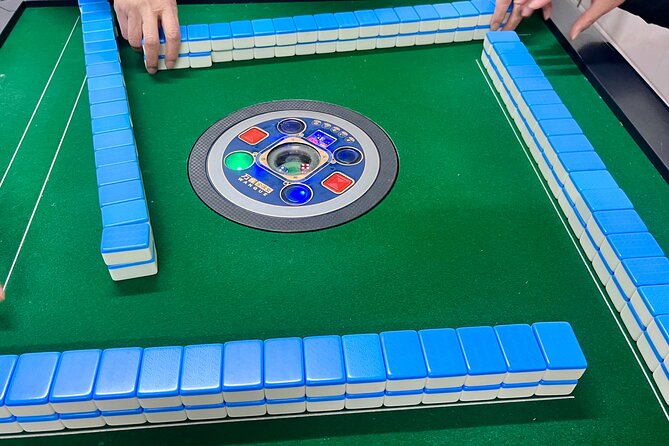
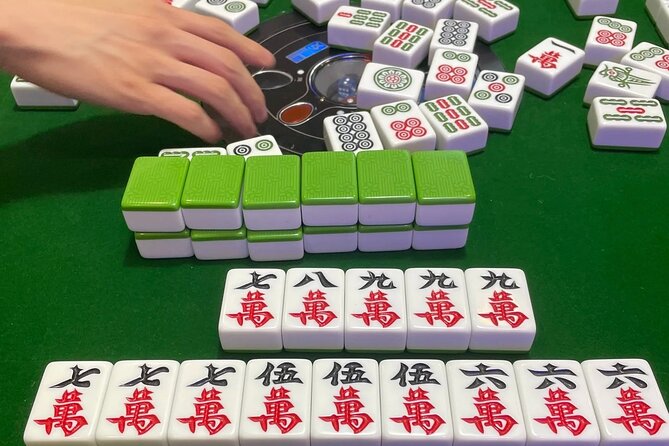
The electronic Mahjong table is one of the most interesting parts of the class. You do not simply play with a traditional set of tiles scattered across a table. You also see the automatic machine commonly used in China for casual and competitive games.
These tables handle the work of mixing and preparing the tiles. For a beginner, that makes the game easier to watch because you can focus on decisions rather than on the physical process of setting everything up. It also gives you a small but useful look at how a traditional pastime fits into present-day Chinese life.
The automatic table is not just a novelty. It helps explain why Mahjong remains practical as a social activity. The game has old roots, but the equipment used around the table can be modern and efficient. That mix of old rules, new machinery, tea, conversation, and friendly competition is part of what makes the experience more than a basic board-game lesson.
You should still expect a learning curve. Mahjong is not a game you fully absorb in a few minutes. The instructor will guide you through the play, and the class is intended for all levels, but you may need reminders as you go. That is normal. The value comes from playing with help, not from pretending you will master every scoring detail immediately.
Why the Tea Bar Setting Matters
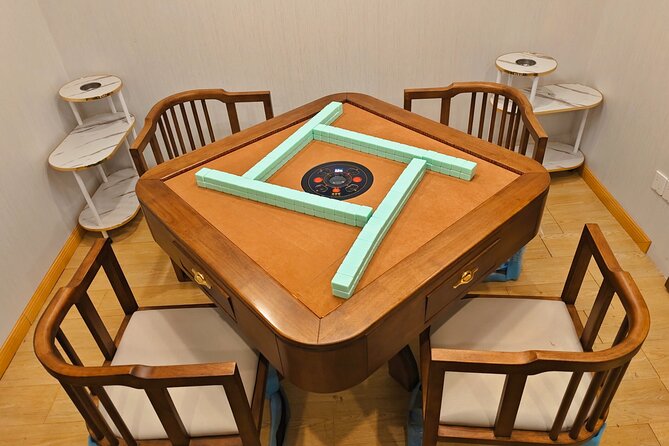
The tea bar gives the class its strongest cultural connection. Chinese tea houses and Mahjong rooms are tied to everyday social life, where people meet, talk, relax, and play. Sitting at a table in that kind of setting lets you see the game as a shared habit rather than a museum piece.
Tea itself is not included in the price. Coffee, other drinks, and alcoholic beverages are also excluded, so budget for anything you order at the venue. This is worth noting because the word tea bar may lead you to assume that a drink is part of the package. It is not.
That extra cost is minor compared with the tour price, but the distinction matters when you calculate the total. You are paying $95 for the instruction, translation, use of the electronic table, and the private group format. Your food and drinks are separate.
The tea-house setting may also suit people who want a quieter cultural activity. Shanghai can fill a day with towers, shopping streets, and crowded landmarks. Mahjong offers a change of pace. You sit down, listen, and take part in a pastime that has a social purpose.
A completely different sort of day out:
- Authentic Local Food Tour in Central Shanghai
★ 5.0 · 1,382 reviews - Zhujiajiao Water Town and Shanghai City Private Day Tour
★ 5.0 · 1,016 reviews - Private Shanghai Full Day City Tour with Old and New Highlights
★ 5.0 · 995 reviews - Shanghai: Hop-on Hop-off Bus Ticket and Optional Attractions
★ 3.4 · 692 reviews
Mahjong’s Place in Chinese Life
The class explains Mahjong’s origins and its role in modern Chinese society. This context is valuable because the game is easy to reduce to a set of colorful tiles. In China, it remains one of the best-known ways for people to spend leisure time together.
You learn why the game has lasted and how it has changed over time. The lesson connects the rules to social habits, which helps the activity feel grounded. You are not only asking which tile to discard. You are also seeing how conversation, ritual, competition, and relaxation meet around the table.
The cultural discussion should appeal to you if you like understanding how local life works. It is also a good choice if you have already seen Shanghai’s major sights and want an afternoon with a more personal scale.
Still, keep your expectations sensible. The experience offers an introduction, not an academic seminar on every regional form of Mahjong. The details provided promise instruction in the game’s history and cultural meaning, but the central focus remains hands-on play.
Playing With Jenny and Local Friends
After the explanation, you begin playing with the instructor and local participants. This is where the class becomes useful. Rules make more sense when you have to draw a tile, decide what to keep, and watch what the other players discard.
Jenny and her friends are described as friendly and experienced. That combination is important. A highly skilled player is not always a good teacher, but the accounts of this class point to patient instruction and clear help in English.
You may also find that local players reveal small habits that a textbook cannot explain. The pace of play, the way players arrange tiles, and the social rhythm around the table all become easier to understand when you are sitting with people who play the game regularly.
The group format is private, so only your own party participates. That gives you a more focused setting than a large public class. It also means the experience is best for a small group that wants to learn together. Group discounts are available, which may improve the value if you are booking with friends or family.
The private format has a tradeoff. You will not meet a large mix of other international participants. If you want a big social event, this may feel too contained. If you prefer to ask questions freely and learn at your own pace, the private arrangement is a plus.
A Useful Follow-Up Walk Near Tianzifang
The class ends back at the meeting point. It does not include a guided sightseeing walk afterward, but Tianzifang is nearby and you can continue exploring the Former French Concession once the Mahjong session is over.
This makes the activity easy to pair with an afternoon in the area. You could schedule the class before or after a walk through the neighborhood, depending on the start time. The experience itself does not promise a full tour of Tianzifang, so treat that as your own add-on rather than part of the paid itinerary.
I like this pairing because the two activities show different sides of Shanghai. A walk gives you streets and architecture. Mahjong gives you a seat at a table and a better sense of how people spend time together. Leave enough room in your schedule so you are not rushing from one to the other.
Is $95 a Fair Price?
At $95 per person, this is not a budget activity. You can find cheaper ways to watch or play games, and Mahjong sets are widely available. The price makes more sense if you value instruction, translation, the private group setting, and access to an automatic table in a local tea bar.
You are also paying for ease. A beginner does not need to research Mahjong rules, find a local teacher, explain language needs, or figure out how to join a game. The experience puts those pieces together in one three-hour session.
The value is strongest for visitors who want a cultural activity with direct participation. It is weaker for someone who already knows Mahjong well, someone mainly looking for tea, or someone comparing the experience with a low-cost casual game at a shop.
Group discounts can help. If you are traveling with several friends, the private format and reduced group rate may make the price easier to justify. Ask for the current group price before booking, since the exact discount is not specified.
Who Will Enjoy This Most?
I would recommend this for first-time Mahjong players, couples, small groups of friends, and anyone interested in ordinary social life in Shanghai. It is also a good fit for people attending a conference who want something different from a restaurant meal or standard city tour.
You do not need prior knowledge. You do need patience and a willingness to sit through an explanation before the game starts. Mahjong rewards attention, so this is not ideal if you want an activity you can follow casually while taking photos.
The class also suits visitors who value English support. You can learn the rules and ask questions without worrying that a language gap will leave you behind.
Families may enjoy it if everyone is comfortable with a three-hour seated lesson. The activity is described as suitable for most participants, but no specific child age policy is provided. If you are booking for children, confirm that directly before paying.
Practical Details That Affect Your Afternoon
Confirmation arrives at booking, and mobile tickets are available. The activity is near public transportation, which is useful in Shanghai’s dense central districts.
Plan to arrive at the stated meeting point, 327 Shan Xi Nan Lu, rather than assuming the class begins at a famous landmark. The activity ends at that same point. Drinks are not included, and neither are alcoholic beverages, coffee, or tea.
The tour offers free cancellation if you cancel at least 24 hours before the local start time. Cancellations made less than 24 hours in advance are not refunded, and changes within that period are not accepted. That policy is reasonable, but it means you should settle your Shanghai schedule before booking.
Should You Book the Shanghai Mahjong Experience?
Book it if you want a personal, social introduction to Chinese culture and you are happy to pay for a private lesson rather than a sightseeing checklist. The local tea bar, English instruction, automatic table, and patient guidance from Jenny give the afternoon a clear purpose.
Skip it if you already play Mahjong confidently, if you want drinks included, or if $95 feels too high for a three-hour activity. The class is not designed to cover a long list of Shanghai sights.
For the right person, this is a memorable way to spend an afternoon. You learn a game, meet local people, and leave with a better understanding of how leisure can work in Shanghai. Add a walk around the Former French Concession and nearby Tianzifang, and you have a well-shaped half-day with both street life and table culture.
FAQ
Where does the Shanghai Mahjong experience begin?
It begins at 327 Shan Xi Nan Lu, Huang Pu Qu, Shanghai, China, 200031.
How long does the experience last?
The activity lasts approximately three hours.
Is the experience suitable for complete beginners?
Yes. No previous Mahjong knowledge is required, and instruction is provided for all levels.
Is English translation available?
Yes. A professional English guide or translator explains the rules, strategies, techniques, and cultural context.
Do I get to use an automatic Mahjong table?
Yes. Use of an electronic Mahjong table is included in the experience.
Are tea and other drinks included?
No. Tea, coffee, other drinks, and alcoholic beverages are not included.
Is this a private activity?
Yes. Only your own group participates.
Can I explore Tianzifang after the class?
Yes. Tianzifang is nearby, and you can take a walk around the Former French Concession after the activity. The walk is not described as part of the guided tour.
What is the cancellation policy?
You can cancel for a full refund if you do so at least 24 hours before the experience start time. Cancellations and changes made less than 24 hours before the start are not accepted for a refund.
Just added in Shanghai
- Zhujiajiao Water Village: Private Tour from Shanghai★ 4.9 · 43 reviews
- Zhujiajiao with Private Customized Shanghai City Highlights★ 5.0 · 14 reviews
- Zhujiajiao & Shanghai:Private Day Tour Water Town to Skyline★ 5.0 · 12 reviews
- Zhujiajiao Water Town Private Tour with Night River Cruise★ 5.0 · 9 reviews
- Zhujiajiao & Shanghai:Small Group Tour Water Town to Skyline★ 5.0 · 4 reviews
- Yu Garden Shanghai Entry Tickets Booking And Trip★ 3.6 · 9 reviews
- Water Town Zhujiajiao Shanghai: Boat Ride,Sights,Bites&Sips★ 5.0 · 7 reviews
- shanghai Disney tour★ 5.0 · 12 reviews
Drinking Tours, compared.
Beijing Hutong Walking Food and Beer Tour at Hidden Restaurants
Read our review →
Hidden Gems Guided Food Tour with Beer and Tastings
Read our review →
4-Hour Shanghai Pub Crawl (bars & nightclub hopping)
Read our review →
Authentic Old Beijing Hutong Food and Beer Private Tour
Read our review →
Shanghai bar hopping tour in the former french concession
Read our review →

Shanghai Authentic Dinner and Night River Cruise with Rooftop Bar Hopping Option
Read our review →
Secret Noodle and Wonton in Shanghai Alleyways with Local Beer
Read our review →Where else this tour turns up