
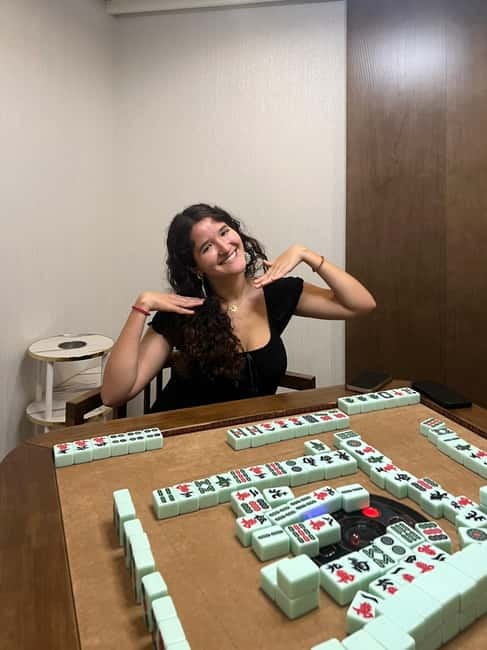
Reviewed · SHANGHAI TOURS
Shanghai Mahjong Experience: Discover Art of Chinese Mahjong
Mahjong opens a window into Shanghai home life. This three-hour private lesson pairs hands-on play with a professional master and an English translator, so you learn both the rules and the social meaning behind the tiles. I especially like the traditional tea-house setting and the chance to try China’s automatic Mahjong tables. The main drawback is simple: Mahjong is not an instant game, and three hours may feel short if you want to master its many rules.
The $112 price is fair for a private group with instruction, translation, and local cultural context, though food, drinks, and transport cost extra. If you have already seen Shanghai’s grand sights, this offers a quieter afternoon near the Former French Concession and Tianzifang.
In This Review
- Key points at a glance
- Why Mahjong makes a better cultural lesson than a museum label
- Arriving at Chinese Tea & Bar near Tianzifang
- The first lesson: tiles, rules, and how a round works
- Playing with a professional Mahjong master
- Seeing the automatic Mahjong machines in action
- Tea, conversation, and the family role of Mahjong
- What the private format adds
- Is $112 per person good value?
- Timing, transport, and practical planning
- Who should book this Mahjong lesson?
- Should you book the Shanghai Mahjong Experience?
- FAQ
- Where does the Shanghai Mahjong Experience meet?
- How long does the Mahjong experience last?
- Is the activity suitable for beginners?
- Is an English guide included?
- Is this a private group experience?
- Will I play Mahjong with a professional?
- Can I use an automatic Mahjong machine?
- Are food and drinks included?
- Is transportation included?
Key points at a glance
- Learn beside a Mahjong master: You receive personal instruction in the rules, strategy, and basic techniques, with no previous experience required.
- Play on automatic Mahjong machines: You can see how modern Chinese tables shuffle and reset the tiles, a useful glimpse into everyday and competitive play.
- Meet Chinese culture around a tea table: The setting connects Mahjong with family gatherings, celebrations, and relaxed social time.
- Use a private English translator: You can ask questions freely and follow the cultural explanations without relying on guesswork.
- Expect a three-hour private session: The format gives you room to learn and play, but the game itself has enough rules to keep your brain busy.
- Meet in a central Shanghai neighborhood: The meeting point is at No. 327 Shan Xi Nan Road, at Chinese Tea & Bar, near the Former French Concession and Tianzifang.
Why Mahjong makes a better cultural lesson than a museum label
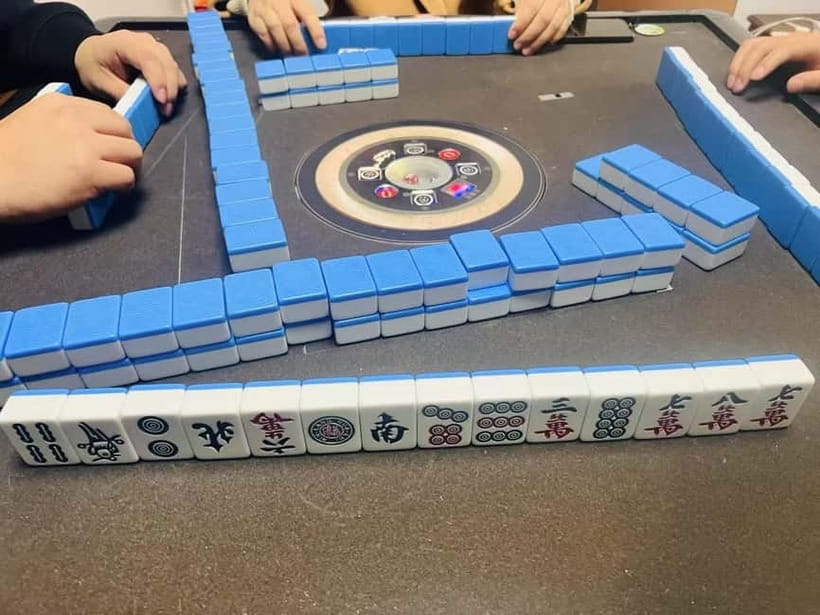
Mahjong is easy to recognize, yet difficult to understand from the outside. You see four people seated around a table, hear tiles clicking, and perhaps assume it is simply a Chinese version of a familiar card game. The reality is more layered. The game uses tiles, patterns, decisions, memory, and a fair amount of table etiquette.
This experience gives you a way into that world without asking you to arrive already prepared. The instructor explains the basic rules first, then helps you apply them while you play. That order matters. Mahjong makes more sense when you handle the tiles and see a round develop instead of trying to remember a long list of rules from a lecture.
I like that the lesson is not limited to winning hands. You also learn why Mahjong matters in Chinese society. It has been part of Chinese life for generations, with roots commonly associated with the Qing Dynasty. Families play during gatherings, celebrations, and ordinary social visits. The table becomes a place to talk, laugh, concentrate, and spend time together.
That social role is perhaps the most useful thing to carry away. You are not only learning a game. You are learning one of the ways people connect across generations in China.
A few more to weigh up in Shanghai
- Authentic Local Food Tour in Central Shanghai
★ 5.0 · 1,382 reviews - Zhujiajiao Water Town and Shanghai City Private Day Tour
★ 5.0 · 1,016 reviews - Private Shanghai Full Day City Tour with Old and New Highlights
★ 5.0 · 995 reviews
Arriving at Chinese Tea & Bar near Tianzifang
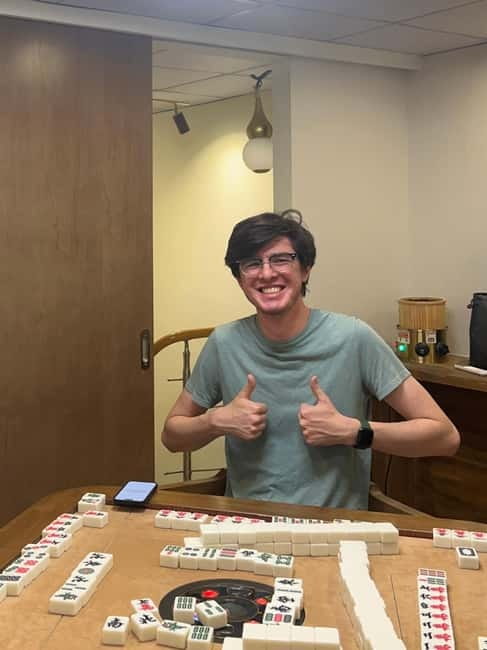
The listed meeting point is No. 327 Shan Xi Nan Road, at Chinese Tea & Bar. It is in the Former French Concession area and close to Tianzifang, a handy location if you are already exploring this part of Shanghai.
A second meeting reference is Jia Shan Road Exit No. 2 of Metro Lines 9 and 12. Since both locations are provided, confirm the exact meeting point and time before setting out. That small check can save you from standing at one address while your guide waits at the other.
The tea-house setting is one of the strongest parts of the experience. A traditional tea service gives the session a calm, local feel, rather than making it resemble a formal classroom. Tea and Mahjong naturally belong together in the social setting described here, and the atmosphere helps explain why the game works so well at family gatherings.
Drinks and food are not included in the price. You should treat the tea-house setting as part of the location and mood, not as a full meal stop. If you want food or extra drinks, budget for them separately.
The first lesson: tiles, rules, and how a round works
The instructor begins with the basics, making this suitable for someone who has never touched a Mahjong tile. You learn how the tiles are organized, what players are trying to build, and how a round moves from one decision to the next.
Mahjong can feel complicated at first. There are different tile groups, changing combinations, and rules that vary by region and style of play. The information provided for this experience does not promise a complete mastery of every regional version, and you should not expect to become a tournament player in one afternoon.
What you can expect is a practical foundation. The master can show you what to look for, explain the purpose of each move, and correct confusion as it comes up. That is far more useful than reading a rule sheet alone.
The English translator adds real value here. Mahjong terms and scoring ideas can be difficult to follow when explained through a basic translation app. With a private translator, you can ask why a move works, what a tile means, or how a particular choice changes your chances.
I would recommend listening for the cultural explanations as carefully as the gaming instructions. You may forget a scoring detail later, but you are likely to remember how the game fits into Chinese family life.
Playing with a professional Mahjong master
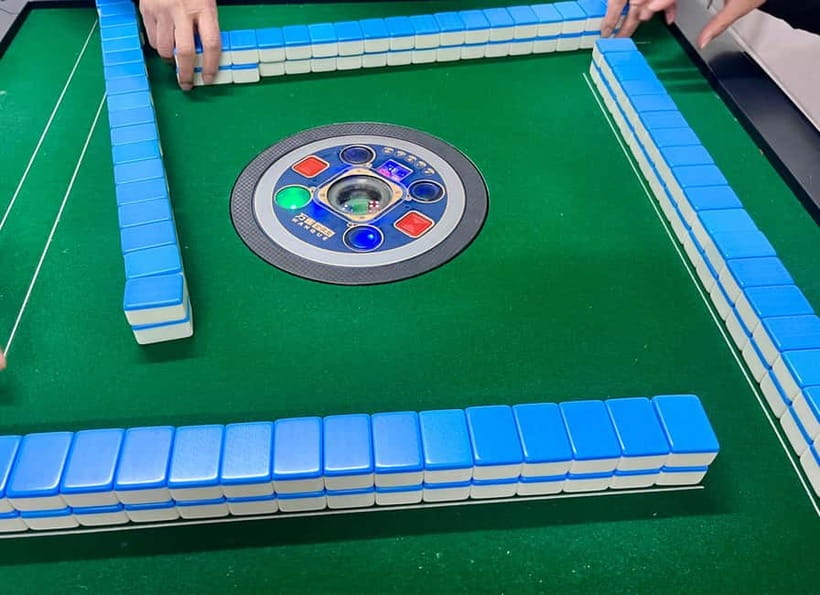
After the introduction, you get to play with a professional Mahjong master. This is the moment when the lesson becomes active. You stop watching the tiles as mysterious objects and begin to see possible combinations and decisions.
The master can guide you through the pace of a round and explain choices as they happen. For a beginner, that support is important. Mahjong requires you to track your own hand while watching what other players discard. It is a memory exercise, a strategy game, and a lesson in patience all at once.
One useful feature is the chance to learn without the pressure of competing against experienced friends. A private group lets the instructor focus on your questions and adjust the explanation to your progress. The activity is also suitable for people who want to improve existing skills, not only complete beginners.
Still, keep your expectations sensible. The game has many rules, and a single three-hour session cannot cover every possible variation. You may finish with a good grasp of the basic flow while still needing more practice before playing confidently with a Chinese family or a competitive group.
That is not a weakness in the experience. It is simply the nature of Mahjong. Think of the lesson as your first solid step, not a final exam.
A completely different sort of day out:
- Shanghai: Hop-on Hop-off Bus Ticket and Optional Attractions
★ 3.4 · 692 reviews - Shanghai Private Tour: Zhujiajiao Water Town and Boat Ride
★ 5.0 · 661 reviews - Eat Like A Local: Shanghai Night Food Tour
★ 5.0 · 616 reviews - Huangpu Night Cruise: Cozy Vibe & Modern Shanghai Glow
★ 4.3 · 520 reviews
Seeing the automatic Mahjong machines in action
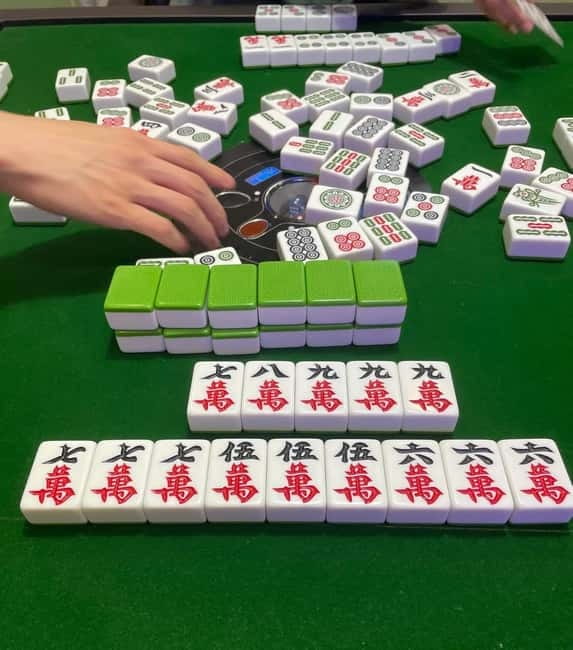
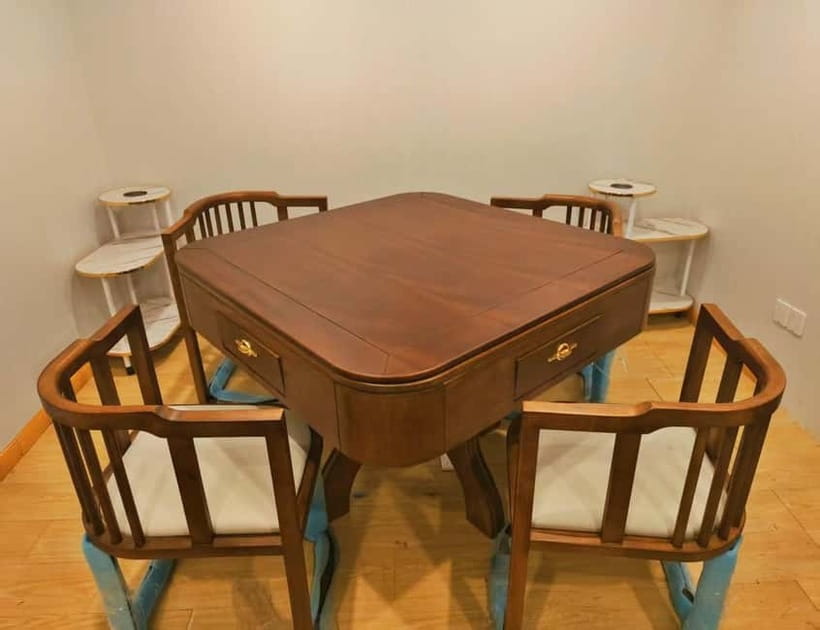
The automatic Mahjong machines are a particularly interesting part of the session. These tables are commonly used in casual and competitive play in China. They handle the work of collecting, shuffling, and preparing the tiles, which keeps the game moving and reduces the time spent resetting the table by hand.
For you, the machine adds a modern contrast to the older social tradition. Mahjong may have long roots, but the way people play it continues to change. The automatic table shows how a traditional pastime fits comfortably into present-day life.
Do not expect the machine itself to make the rules easier. It only handles the physical setup. You still need to understand the tiles, watch the table, and make decisions. That is part of the fun. The machine provides a neat technical detail, while the human interaction remains the heart of the game.
If you enjoy seeing how ordinary technology shapes daily life, this may be one of the most memorable details. It is not a major attraction on its own, but it gives the session a clear connection to the way Mahjong is played now.
Tea, conversation, and the family role of Mahjong
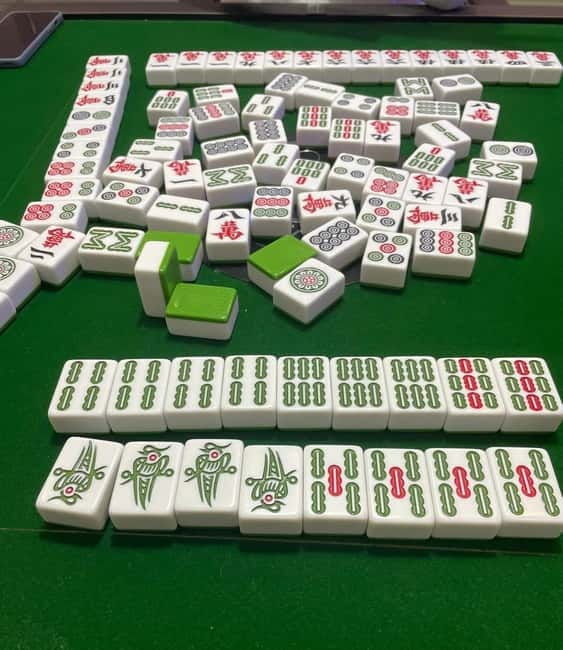
The experience explains why Mahjong is often linked with family gatherings. It is a shared activity that allows several people to sit together for an extended time. The game creates a reason to talk, watch, tease, concentrate, and return for another round.
That social function helps explain its staying power. Mahjong is not only about mental competition. It can also provide a relaxed setting for people who might otherwise have little reason to sit together. Older and younger family members can share the same table, even if they approach the game at different levels.
The tea-house setting supports this idea. Tea served in a traditional Chinese fashion, a welcoming atmosphere, and local people around the game can make the lesson feel connected to daily life. The setting is not just decoration. It helps you understand the habit of gathering around a table.
You should also pay attention to the game’s mental demands. Mahjong calls on concentration, memory, pattern recognition, and strategic thinking. The activity is often described as a form of mental exercise, though you should view those benefits as a pleasant side effect rather than a medical claim.
The bigger point is that the game keeps your mind active while giving you time with other people. That combination is one reason it remains popular across generations.
What the private format adds
This is a private group experience, and that changes the tone. You are not placed into a large sightseeing group with a fixed speech and limited time for questions. You can ask for a rule to be repeated, pause over a difficult point, or spend more time practicing a move that has not clicked yet.
The English translator is especially helpful in a private format. You are not sharing every question with a crowd, and the conversation can stay focused on your group’s level.
Private does not mean effortless. You still need to concentrate, and you may find that the first part feels more like study than entertainment. The reward comes once the tiles begin to make sense and you can take part in a real round.
The format suits couples, families, and small groups of friends who want to learn together. It also works for solo visitors if the private booking arrangements support their group size, though the available information does not specify a minimum or maximum number of participants.
Is $112 per person good value?
At $112 per person, this is not a cheap way to fill an hour in Shanghai. It is a specialist cultural activity, and the price reflects the private format, a professional instructor, and an English translator.
I think the value is strongest if you place importance on personal attention. You are paying for help with a game that is difficult to learn casually, plus explanations of its place in Chinese society. The chance to play with a Mahjong master is more useful than simply watching a demonstration.
The value is weaker if you only want a quick introduction or a photo opportunity. You will need to concentrate, and Mahjong rewards patience. Food, drinks, and transport are not included, so the final cost may be higher if you request pickup or drop-off or order refreshments at the tea house.
For someone who has already visited the Bund, walked through the Former French Concession, and seen Shanghai’s major landmarks, this offers a different kind of afternoon. It gives you a skill and a cultural reference you can carry into later conversations.
Timing, transport, and practical planning
The session lasts three hours, with start times based on availability. That is long enough to cover the basics and play, but you should allow extra time around the appointment for getting to the meeting point.
Pickup and drop-off can be arranged for an additional charge if needed. Otherwise, plan your own transport to Shan Xi Nan Road or the Jia Shan Road Metro Exit No. 2 meeting point. Since the activity is in central Shanghai, checking the exact address in advance is sensible.
The experience is wheelchair accessible. English is the listed tour language, and the activity includes a live English guide and translator.
Cancellation is free up to 24 hours before the start time for a full refund. You can also reserve now and pay later, which helps if your Shanghai schedule is still changing.
Wear whatever is comfortable for sitting and concentrating. No special equipment or previous knowledge is required. The most important preparation is mental: arrive ready to ask questions and accept that the first few rounds may feel confusing.
Who should book this Mahjong lesson?
I would choose this experience if you want contact with everyday Chinese culture rather than another sightseeing stop. It is a good fit for curious first-time visitors, couples seeking a quieter activity, and families who enjoy learning games together.
It also suits anyone interested in tea culture, social customs, or traditional games. The automatic tables add a modern detail, while the lesson connects the game to family life and community gatherings.
You may want to skip it if you dislike tabletop games, find rules frustrating, or have only a short stop in Shanghai. Three hours is a meaningful commitment, and the game asks you to pay attention.
The experience has received a perfect 5 rating from three verified bookings, with particular praise for the tea-house atmosphere, friendly local welcome, enthusiastic teaching, and the unusual chance to learn Mahjong in Shanghai. Those strengths match the design of the activity: it is personal, social, and more distinctive than a standard city tour.
Should you book the Shanghai Mahjong Experience?
Book it if you want to understand a Chinese pastime from the inside, not simply take a photograph of it. The combination of a professional master, private English translation, traditional tea-house setting, and automatic Mahjong machines gives you several angles on the game.
I would especially recommend it after you have seen Shanghai’s major sights and want something slower and more local in feel. Just budget for extra food, drinks, or transport, and arrive knowing that Mahjong takes time to learn.
For a hands-on cultural lesson with a touch of friendly mental strain, $112 is a reasonable price. You may not leave as a master, but you should leave knowing why this game has remained part of Chinese social life for so long.
FAQ
Where does the Shanghai Mahjong Experience meet?
The main meeting point is No. 327 Shan Xi Nan Road at Chinese Tea & Bar. Another listed meeting location is Jia Shan Road Exit No. 2 of Metro Lines 9 and 12. Confirm the exact point before the activity.
How long does the Mahjong experience last?
The experience lasts three hours.
Is the activity suitable for beginners?
Yes. No previous Mahjong knowledge is needed. You only need an open mind and a willingness to learn.
Is an English guide included?
Yes. The activity includes a live English guide and a professional English translator.
Is this a private group experience?
Yes. The group type is private.
Will I play Mahjong with a professional?
Yes. The experience includes hands-on play with a professional Mahjong master.
Can I use an automatic Mahjong machine?
Yes. You will have the chance to experience China’s automatic Mahjong machines, which are used in casual and competitive play.
Are food and drinks included?
No. Food and drinks are not included.
Is transportation included?
No. Transportation is not included. Pickup and drop-off can be arranged on request for an additional cost.
Just added in Shanghai
- Suzhou Private Guided Day Trip from Shanghai by Bullet Train★ 5.0 · 46 reviews
- Suzhou and Zhujiajiao Private Guided Day Trip from Shanghai★ 5.0 · 27 reviews
- Shanghai: Zhujiajiao Water Town with Calligraphy Experience★ 5.0 · 17 reviews
- Shanghai:Wing Chun Kung Fu in Shanghai’s Beautiful Park★ 5.0 · 2 reviews
- Shanghai:Old Town, Yu Garden, Zhujiajiao Water Town Bus Tour★ 4.7 · 16 reviews
- Shanghai: Yu/Yuyuan Garden Entry Ticket–E ticket★ 4.4 · 24 reviews
- Shanghai: Yuyuan, City God Temple Old City Tour-Tip Based★ 5.0 · 10 reviews
- Shanghai: Zhujiajiao Water Town Private Tour with Boat Ride★ 5.0 · 2 reviews
Shanghai Tours, compared.

Authentic Local Food Tour in Central Shanghai
Read our review →
Zhujiajiao Water Town and Shanghai City Private Day Tour
Read our review →
Private Shanghai Full Day City Tour with Old and New Highlights
Read our review →
Hop-on Hop-off Bus Ticket and Optional Attractions
Read our review →
Shanghai Private Tour: Zhujiajiao Water Town and Boat Ride
Read our review →

Huangpu Night Cruise: Cozy Vibe & Modern Shanghai Glow
Read our review →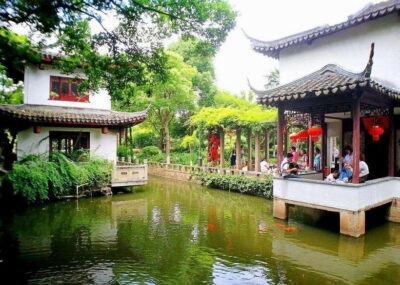
Where else this tour turns up