
Reviewed · SHANGHAI TOURS
Shanghai: Dragon Beard Candy Making with a Chef
Sugar turns into silk here. This two-hour Shanghai workshop gives you a close look at Dragon Beard Candy, an old Chinese confection once linked with royalty, while letting you make your own. I like the blend of Chinese pastry tradition and French technique, and I like that the Shanghai-born instructor, Luc, adds local tips beyond the kitchen. The main point to consider is that stretching the candy takes patience and careful handwork, so this is more than a quick tasting.
The class costs $38 per person, which feels fair for the instruction, ingredients, equipment, extra pastries, recipe, and hands-on time. It is especially appealing if you want a cultural activity that is tasty, practical, and easy to fit into a Shanghai day. The 4.8 rating from six reviews reflects strong praise for Luc’s clear English, friendly manner, and ability to explain each step.
In This Review
- Key points at a glance
- Why Dragon Beard Candy makes a good Shanghai activity
- Meeting Luc, the Shanghai pastry chef
- The opening story about a royal confection
- Watching molten sugar become fine strands
- Your turn: stretching and folding the sugar dough
- Peanuts, sesame, and coconut complete the candy
- What you take home from the two-hour class
- How the price compares with the experience
- Who will enjoy this workshop most
- Timing, meeting point, and booking flexibility
- Should you book Dragon Beard Candy Making with a Chef?
- FAQ
- How much does the Dragon Beard Candy class cost?
- How long does the workshop last?
- What language is the class taught in?
- Where does the class meet?
- What is included in the price?
- Can I cancel the booking for a refund?
- Is the workshop wheelchair accessible?
Key points at a glance
- A 2,000-year-old sweet: You hear how Dragon Beard Candy developed from a royal delicacy into a traditional Chinese treat.
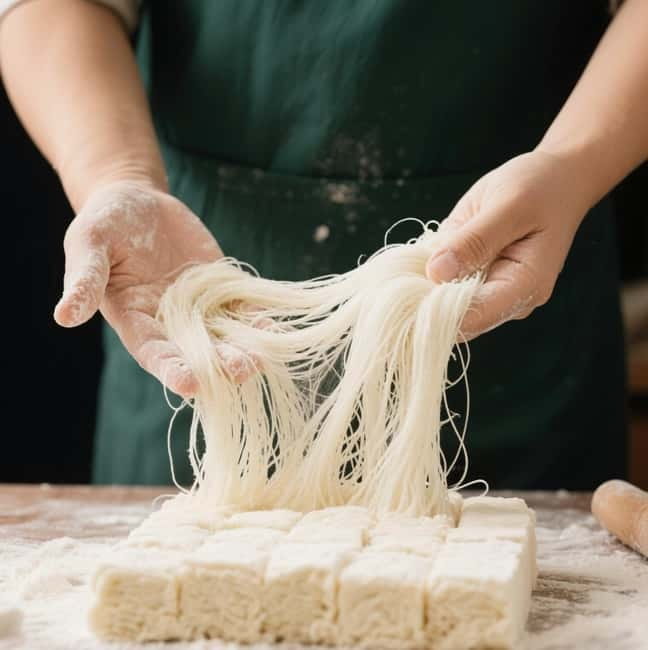
- 10,000 folds by hand: The central task is stretching and folding sugar dough until it becomes hair-thin strands.
- Chinese and French pastry skills: The chef combines traditional Chinese methods with training from Le Cordon Bleu.
- A personal, local lesson: Luc was born and raised in Shanghai and can offer suggestions for places to visit.
- Plenty to take home: You make candy during class and receive extra pastries, a recipe, and optional photos.
- Easy booking terms: The class is taught in English, lasts two hours, is wheelchair accessible, and allows cancellation up to 24 hours before the start for a full refund.
Why Dragon Beard Candy makes a good Shanghai activity
Shanghai has no shortage of food experiences, but many are built around eating. This one asks you to work with the food yourself. That makes the finished sweet more memorable, even if your first batch looks less than perfect.
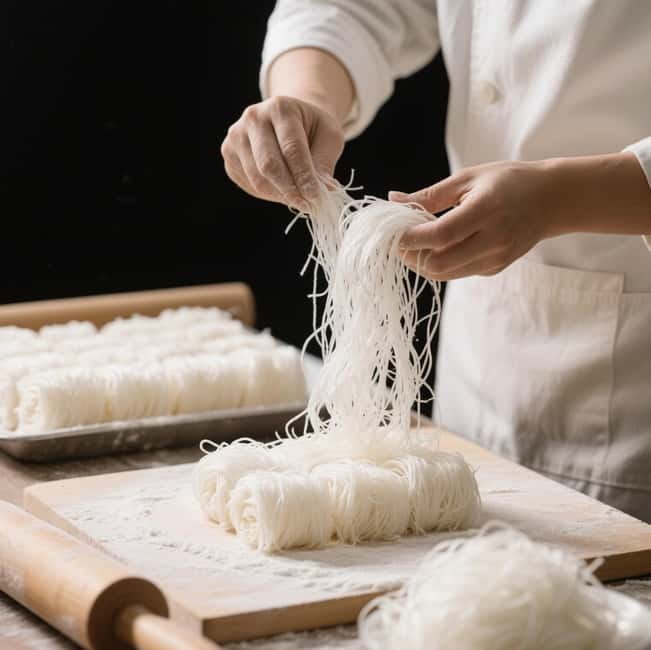
Dragon Beard Candy is made from a sugar mixture that gets stretched and folded again and again. The repeated motion creates thousands of fine strands, giving the candy its unusual appearance. The strands are wrapped around crushed peanuts, sesame, and coconut, creating a soft, lightly chewy sweet with a nutty center.
The class also gives you a small piece of Chinese food history. You begin with a short story about the candy’s 2,000-year past and its connection to Chinese royalty. That context matters because the activity is not simply a modern cooking demonstration. You are learning how a traditional confection is made and why it has remained part of Chinese pastry culture.
I like this format for a first visit to Shanghai because it offers a direct connection to local food without requiring a full-day commitment. Two hours is enough time to learn, make several pieces, and leave with something edible. You also avoid the passive feeling that can come with watching someone else cook while you stand nearby.
A few more to weigh up in Shanghai
- Authentic Local Food Tour in Central Shanghai
★ 5.0 · 1,382 reviews - Zhujiajiao Water Town and Shanghai City Private Day Tour
★ 5.0 · 1,016 reviews - Private Shanghai Full Day City Tour with Old and New Highlights
★ 5.0 · 995 reviews
Meeting Luc, the Shanghai pastry chef
The instructor brings two useful types of experience to the class. Luc is Shanghai-born and raised, so he can provide local suggestions alongside the pastry lesson. He also has formal training in both Chinese pastry and classical French patisserie from Le Cordon Bleu.
That combination gives the class a clear point of difference. Traditional Dragon Beard Candy depends on touch, timing, and repeated movement. French pastry training adds a strong focus on precision and technique. You get both sides in one lesson: the cultural background of the sweet and the disciplined pastry methods needed to handle the sugar.
English is the teaching language. The strongest praise in the available feedback focuses on Luc’s communication. One person specifically noted that he explained the steps well and answered questions, while another praised his clear English and friendly approach. That is important in a class where small instructions matter. If the sugar is too warm, too cool, or handled incorrectly, the texture can change.
The tone also appears encouraging rather than formal. You should expect guidance through the process, not a test of your existing baking skills. You do not need professional pastry shoes, and the class provides the equipment. Still, comfortable clothing and a willingness to keep working with the dough will help.
The opening story about a royal confection
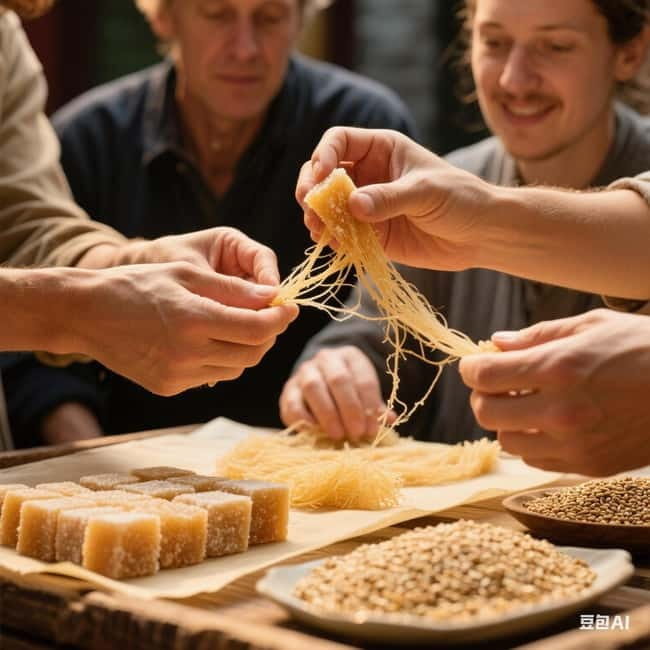
The class begins with a short storytelling session about Dragon Beard Candy. The key idea is simple: this sweet has been made for roughly 2,000 years and was once considered special enough for Chinese royalty.
That introduction gives the hands-on work some meaning. Without it, stretching sugar into fine threads could feel like a novelty activity. With the story, you understand that each movement connects to an older Chinese pastry tradition.
I appreciate that the history is kept brief. You are not spending half the class listening to a lecture. The story sets the scene, then the instructor moves quickly to the demonstration and the work itself. If you prefer food activities that combine background with action, this pacing should suit you.
The royal connection is also a useful detail to remember when you eat the candy later. The finished pieces may look delicate, but they come from a method that depends on strength and control. That contrast is part of the fun.
Watching molten sugar become fine strands
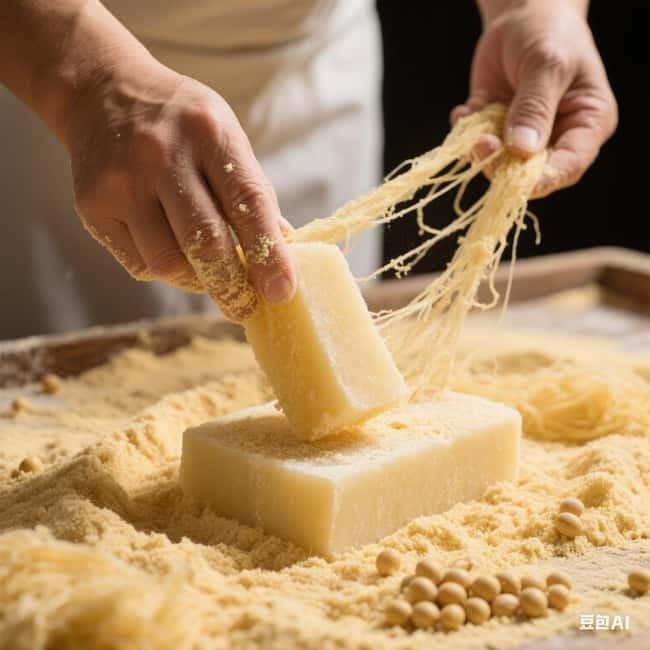
Next comes the live demonstration. You watch the chef transform molten sugar into strands that resemble a dragon’s beard. This is the moment when the technique becomes easier to understand.
From a distance, the candy may look simple. In practice, the process involves handling sugar dough at the right stage and using repeated stretching and folding to create the thin threads. The demonstration lets you see the rhythm before you try it yourself.
Pay attention to the shape of the dough and the way the chef pulls it. The process is not just about force. It is about steady movement and control. A rushed attempt could make the strands uneven, while careful handling helps produce the delicate texture that gives the candy its name.
This demonstration also helps set a realistic expectation. You are not likely to produce perfect strands on your first try without guidance. That is not a flaw in the class. The skill is the main reason to take it in person rather than simply buying the candy from a shop.
A completely different sort of day out:
- Shanghai: Hop-on Hop-off Bus Ticket and Optional Attractions
★ 3.4 · 692 reviews - Shanghai Private Tour: Zhujiajiao Water Town and Boat Ride
★ 5.0 · 661 reviews - Eat Like A Local: Shanghai Night Food Tour
★ 5.0 · 616 reviews - Huangpu Night Cruise: Cozy Vibe & Modern Shanghai Glow
★ 4.3 · 520 reviews
Your turn: stretching and folding the sugar dough
After watching, you work with the sugar dough yourself. Under Luc’s direction, you stretch and fold it more than 10,000 times to create strands as fine as hair.
That number sounds dramatic, but it explains why the candy takes skill. You are not making one simple pull and calling it finished. The dough passes through repeated loops of stretching and folding until the texture changes and the strands become extremely fine.
This is the most hands-on part of the experience, and it is also where patience matters most. The work can be repetitive. If you want a fast activity with instant results, this may feel slow. If you enjoy learning a craft through repetition, you will likely find it satisfying.
I like that the technique leaves room for a real sense of achievement. You can see the material change under your hands. The candy begins as a solid sugar dough and ends as a mass of fine threads. That physical transformation is more interesting than simply being handed a finished sample.
The instructor’s role is especially useful here. Luc can correct your movements, answer questions, and help you understand why the dough needs to be handled in a particular way. The feedback is not just about making attractive candy. It teaches you how the technique works.
Peanuts, sesame, and coconut complete the candy
Once the sugar has been pulled into fine strands, you wrap it around a filling of crushed peanuts, sesame, and coconut. These ingredients give the candy a mix of textures and flavors.
The filling provides contrast to the delicate sugar exterior. Peanuts bring a roasted, crumbly note. Sesame adds another nutty layer, while coconut gives the mixture a softer sweetness. Together, they keep the candy from tasting like plain sugar.
This part should be easier than the stretching, but it still matters. The filling has to sit inside the fine strands without tearing them apart. You get to see how the final candy is assembled rather than only learning the most famous part of the process.
The recipe is included so you can try to recreate the candy at home. That is a useful addition, though you should keep your expectations sensible. Sugar work can be sensitive to temperature and handling, and a home kitchen may not have the same equipment used in class. Still, the recipe gives you a starting point and helps extend the experience beyond the two-hour session.
What you take home from the two-hour class
You leave with the Dragon Beard Candy you make during the class, along with additional pastries. Free drinking water is provided, and photos of your baking experience are available as an optional extra feature.
The take-home food improves the value of the $38 price. You are paying for more than a demonstration or a single bite. You receive ingredients, equipment, personal instruction, finished treats, and a recipe.
The extra pastries are also practical if you are sharing the experience with someone who wants to taste the result but does not plan to eat every piece immediately. Still, the playful warning that resisting the urge to eat everything before getting home may be difficult is probably fair. Freshly made sweets are not known for surviving long around hungry people.
Optional photos can help record the activity, but you should not treat them as the main reason to book. The strongest part of the class is the making itself. The photos are a nice addition if you want a record of the process.
How the price compares with the experience
At $38 per person, the class offers solid value for a short Shanghai activity. The price covers two hours of instruction, all high-end ingredients, baking equipment, additional pastries, drinking water, and a recipe for home use.
The personal teaching is the most important part of the value. Dragon Beard Candy is difficult to understand from written instructions alone. Watching the technique, trying it yourself, and receiving corrections makes the fee more reasonable than simply purchasing a box of candy.
You also get a cultural explanation and local contact. Luc’s Shanghai background means the class can include suggestions for places to visit, as one attendee noted. That does not turn the workshop into a sightseeing tour, but it can help you plan the rest of your time in the city.
The price may feel less attractive if you are interested only in tasting the sweet. You can likely enjoy the flavor without taking a class. Book this for the craft, the story, and the chance to make the candy yourself.
Who will enjoy this workshop most
I would recommend this class to visitors who like food with a cultural story behind it. It is also a good fit for couples, families, solo visitors, and anyone looking for an activity that does not depend on a long walking route or outdoor weather.
You should enjoy it if you like:
- Hands-on cooking rather than a simple food tasting
- Traditional Chinese sweets
- Learning from an English-speaking instructor
- Small pastry techniques that require patience
- Taking food and a recipe home
- Meeting a local chef who can suggest places in Shanghai
It may be less suitable if you dislike repetitive handwork or want a broad introduction to Shanghai cuisine. This class focuses on one confection, not dumplings, noodles, stir-frying, or a full Chinese meal.
The workshop is wheelchair accessible, which makes it easier for more people to consider. The available information does not specify the exact class size, so I would not assume a private lesson or a large group. The instructor-led, step-by-step format should still give you structured help during the main task.
Timing, meeting point, and booking flexibility
The activity lasts two hours and is held at Makerhub on the fourth floor. Check the available starting times before booking, since the schedule may affect how well it fits with other plans.
Allow enough time to reach the meeting point and find the correct floor. The location is listed as 4th floor, Makerhub, so keeping that wording available on your phone should help when you arrive.
The class is taught in English. You can cancel up to 24 hours in advance for a full refund, and the reserve-now, pay-later option lets you hold a spot without paying today. Those terms are useful when your Shanghai schedule is still changing.
Should you book Dragon Beard Candy Making with a Chef?
Book it if you want a focused, hands-on Shanghai food experience rather than another sightseeing stop. The mix of royal food history, Chinese pastry tradition, French training, and local advice gives the class more substance than a basic sweet-making demonstration.
The strongest reasons to choose it are Luc’s clear English, encouraging instruction, and ability to explain both the technique and the local context. The 4.8 rating from six reviews supports that impression, with particular praise for the friendly teaching, useful answers, and tasty results.
Skip it if you want a full meal, a broad cooking course, or an activity with little repetition. The sugar-stretching stage takes time and care. For everyone else, $38 is a reasonable price for two hours of instruction, plenty of ingredients, extra pastries, and a traditional Chinese sweet you made with your own hands.
FAQ
How much does the Dragon Beard Candy class cost?
The experience costs $38 per person.
How long does the workshop last?
The class lasts two hours.
What language is the class taught in?
The instruction is provided in English.
Where does the class meet?
The meeting point is Makerhub on the fourth floor.
What is included in the price?
The price includes the two-hour hands-on workshop, ingredients, baking equipment, personalized instruction, step-by-step guidance, additional pastries to take home, drinking water, and a recipe. Photos are available as an optional part of the experience.
Can I cancel the booking for a refund?
Yes. You can cancel up to 24 hours in advance for a full refund.
Is the workshop wheelchair accessible?
Yes, the activity is wheelchair accessible.
Just added in Shanghai
- Suzhou Private Guided Day Trip from Shanghai by Bullet Train★ 5.0 · 46 reviews
- Suzhou and Zhujiajiao Private Guided Day Trip from Shanghai★ 5.0 · 27 reviews
- Shanghai: Zhujiajiao Water Town with Calligraphy Experience★ 5.0 · 17 reviews
- Shanghai:Wing Chun Kung Fu in Shanghai’s Beautiful Park★ 5.0 · 2 reviews
- Shanghai:Old Town, Yu Garden, Zhujiajiao Water Town Bus Tour★ 4.7 · 16 reviews
- Shanghai: Yu/Yuyuan Garden Entry Ticket–E ticket★ 4.4 · 24 reviews
- Shanghai: Yuyuan, City God Temple Old City Tour-Tip Based★ 5.0 · 10 reviews
- Shanghai: Zhujiajiao Water Town Private Tour with Boat Ride★ 5.0 · 2 reviews
Shanghai Tours, compared.
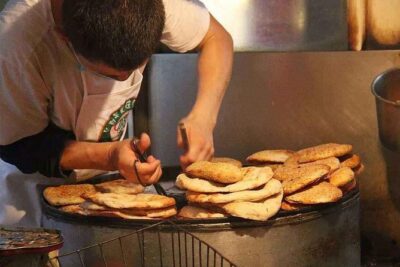
Authentic Local Food Tour in Central Shanghai
Read our review →
Zhujiajiao Water Town and Shanghai City Private Day Tour
Read our review →
Private Shanghai Full Day City Tour with Old and New Highlights
Read our review →
Hop-on Hop-off Bus Ticket and Optional Attractions
Read our review →
Shanghai Private Tour: Zhujiajiao Water Town and Boat Ride
Read our review →

Huangpu Night Cruise: Cozy Vibe & Modern Shanghai Glow
Read our review →
Where else this tour turns up