
Reviewed · SHOPPING TOURS
Private Shopping Experience with Insider
Shanghai rewards the curious shopper. This private market tour gives you a practical way to reach specialist markets, learn bargaining, and choose between a half-day or full-day plan. I especially like the flexible itinerary and the included hotel pickup, since you can focus on shopping instead of sorting out city transport.
I also like the tea tasting and the chance to mix shopping with local food. Guide Cindy has led a memorable Food & Fabric outing that included warm soy milk and dumplings at a small local shop. The main caution is that market quality varies, and some goods are copies that may cause problems when importing them into Europe or elsewhere.
In This Review
- Key points at a glance
- Why Shanghai markets make a better souvenir stop
- Starting at Shanghai Science and Technology Museum
- Fabric market: tailoring with room for comparison
- Tea market: three tastings and a calmer pause
- Off-brand market: lots of choice, uneven quality
- Antique market: curiosity needs caution
- Food breaks that make the day feel local
- Bargaining without losing your patience
- Half-day or full-day: choosing the right length
- Is the $128 price good value?
- Who should book this shopping tour?
- Booking, cancellation, and practical details
- Should you book it?
- FAQ
- How long does the private shopping experience last?
- How many markets can I visit?
- Which types of markets are available?
- Is hotel pickup included?
- Is food included in the price?
- Can I cancel for a full refund?
Key points at a glance
- Choose two or four markets: Build a half-day visit around two markets, or use the full day for four different shopping stops.
- Learn to bargain: Your private guide helps you handle prices, compare goods, and shop with more confidence.
- Tea tasting included: Sample three types of Chinese tea at the tea market.
- Hotel transfers save time: Pickup and drop-off are included, along with private transport.
- Food can be part of the fun: A previous outing with Cindy included warm soy milk and several types of dumplings at local spots.
- Bring comfortable shoes and patience: You will walk through markets, compare shops, and spend time negotiating.
Why Shanghai markets make a better souvenir stop
Shanghai has long been known for shopping, but the most useful experience is not always found in a polished mall. A market gives you the chance to compare fabric, tea, bags, footwear, handicrafts, pearls, and antiques in one trip.
That variety is the main appeal here. You are not locked into a single store or fixed shopping list. Instead, your guide helps shape the day around the markets that interest you most. If you want a tailored suit, you can spend more time at the fabric market. If tea matters more, you can give the tea market priority.
I like this approach because shopping in Shanghai can feel confusing when you do not know where to start. A private guide gives you a local point of reference. You can ask what an item is, compare quality, and get help with the basic rhythm of bargaining.
The tour is also private, so only your group participates. That matters when one person wants to look at silk while another wants tea or antiques. You do not have to follow the pace of a large group, and you can ask questions without holding up strangers.
More Shopping Tours in Shanghai
- Shanghai Day Tour to Zhujiajiao Water Town, Yu Garden, Bazaar, Bund
★ 5.0 · 162 reviews - Private Shanghai Shopping Tour with Local Shopping Guru
★ 5.0 · 68 reviews - Shanghai Night River Cruise and Light Tour with Yuyuan Bazaar
★ 5.0 · 11 reviews
Starting at Shanghai Science and Technology Museum
The listed meeting point is Shanghai Science and Technology Museum, where the market visit begins before moving between shopping areas. Hotel pickup and drop-off are included, so you should confirm your pickup details when booking and make sure the operator has the correct hotel information.
The transport is private and round trip. That is useful in a city where carrying purchases across several train or taxi rides can become a chore. You can also leave bulky items in the vehicle if the day’s arrangements allow it, though you should confirm this directly with the operator rather than assume it.
From this starting point, the shopping guide introduces the main market choices. The four recommended categories are fabric, tea, off-brand goods, and antiques. A half-day covers two markets, while a full-day allows four, depending on your preference and schedule.
The museum itself is best understood here as a practical starting point, not the central attraction. The experience is about the markets and the guidance you receive once shopping begins.
Fabric market: tailoring with room for comparison
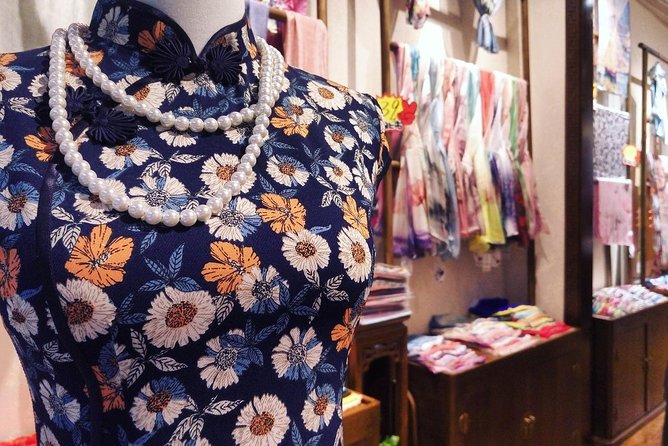
The fabric market is designed for custom clothing. It includes hundreds of tailor shops, with each shop focusing on different work. Some are better suited to suits and coats, while others specialize in silk or different types of garments.
This is where a guide can make a real difference. With so many shops close together, a first-time visitor may find it hard to judge which one fits a particular need. Your guide can help you explain what you want, compare materials, and understand the bargaining process.
I would allow extra time here if you are serious about ordering clothing. A quick visit may be enough to browse, but choosing fabric and discussing a garment takes more attention. You may need to make decisions about material, cut, and price, and the market’s many options can slow you down in a good way.
The tradeoff is that tailoring is not an instant souvenir. The tour information does not promise a particular completion time, fitting arrangement, or shipping service. Ask the shop and guide about those details before paying. Do not place an order based only on a low opening price.
A useful rule is to compare more than one shop before agreeing. Look closely at fabric weight, stitching, lining, and the way the tailor explains the work. Bargaining is part of the experience, but quality matters more than winning the last small reduction.
Tea market: three tastings and a calmer pause
The tea market offers a different pace from the clothing and bargain-goods stops. Tea from different parts of China is available, and the tour includes a tasting of three types.
That tasting is valuable even if you do not consider yourself a tea expert. You can compare flavors before buying, ask how each tea is prepared, and decide if the tea is something you truly want to carry home. It is much better than choosing a decorative tin without knowing what is inside.
I would treat the tasting as a buying lesson, not simply a free sample. Pay attention to the tea itself, the amount offered, and the explanation of how to brew it. Ask about packaging and storage if you plan to take it on a long journey.
The tea market may suit you best if you want a useful, lightweight souvenir. Tea is also easier to pack than clothing or larger handicrafts. Still, take your time with prices. Several varieties can look similar at first, and the guide’s help is useful when you are comparing value.
A completely different sort of day out:
- Authentic Local Food Tour in Central Shanghai
★ 5.0 · 1,382 reviews - Zhujiajiao Water Town and Shanghai City Private Day Tour
★ 5.0 · 1,016 reviews - Private Shanghai Full Day City Tour with Old and New Highlights
★ 5.0 · 995 reviews - Shanghai: Hop-on Hop-off Bus Ticket and Optional Attractions
★ 3.4 · 692 reviews
Off-brand market: lots of choice, uneven quality
The off-brand market covers a broad mix of goods, including textiles, footwear, pearls, bags, and handicrafts. It is likely to appeal to shoppers who enjoy browsing and bargaining more than those seeking one carefully selected product.
This kind of market can be entertaining because you never know what will appear at the next stall. You may find a small gift, an accessory, or a practical item that was not on your original list. The guide can help you ask questions and negotiate instead of accepting the first price.
The important caution is quality. Goods can vary widely, and branded-looking items may be copies. You should inspect stitching, zippers, soles, clasps, and fabric rather than judging an item by appearance alone.
There is also a legal concern. Copies of original products may not be legal to import into Europe. Rules differ by destination, so you should check the regulations that apply to your home country before buying. Your guide can help with bargaining, but you remain responsible for what you purchase and carry across a border.
I would keep this stop flexible. If the first shop does not appeal to you, move on rather than buying simply because the price seems low. A bargain is only useful if the item is legal, durable, and something you actually want.
Antique market: curiosity needs caution
The antique market is aimed at shoppers who enjoy hunting for older objects and unusual pieces. The selection may include items presented as antiques, but the tour information does not promise authentication or a certificate of age.
That makes this stop best for browsing unless you already know the subject well. Look at the workmanship, ask questions, and avoid assuming that an old-looking object is genuinely ancient. The phrase real antique should not replace independent checking.
If you are considering an expensive purchase, ask what documentation is available and what export rules apply. Do not rely on appearance or an urgent sales pitch. For most people, the antique market is more enjoyable as a place to look and learn than as a place to make a major investment.
This is also where the private format helps. You can tell the guide what interests you, spend a little time examining objects, and leave if the selection does not suit you. A large group would be less forgiving of that slower pace.
Food breaks that make the day feel local
Food is not officially included. Lunch, food, and drinks are extra, so you should budget for them. The tour can still include food stops if arranged as part of your private day.
A previous half-day Food & Fabric outing with guide Cindy included warm soy milk and a selection of dumplings at a small local shop. Warm soy milk may sound unusual if you have not tried it, but it was described as a surprisingly good start to the morning. That kind of stop adds a useful local touch to a shopping day.
The dumpling visit is another strong point. After spending time comparing fabric and prices, sitting down for several types of dumplings gives the day a change of pace. It also lets you try simple local food rather than spending the entire tour inside commercial shopping areas.
Do not assume those exact dishes or stops are guaranteed on every booking. The available experience is flexible, and food is not included in the stated price. Tell the operator in advance if food is a priority, then plan to pay separately.
Bargaining without losing your patience
The tour’s central lesson is bargaining. Shanghai markets often expect a negotiation, and your guide can show you how to approach prices with more confidence.
You do not need to treat every purchase like a contest. Start by comparing several shops, decide what the item is worth to you, and be prepared to walk away politely. If the price does not fall to a level you like, there will usually be another stall or shop to consider.
Your guide can help with communication, but you should still make the final choice. Inspect the item before paying. Check sizes, colors, materials, and any defects. Once you leave, correcting a mistake may be difficult.
A private tour also gives you more control over the tone of the shopping. You can bargain firmly if that is part of the fun, or ask your guide to help keep the process simple. If you dislike aggressive sales tactics, say so early.
Half-day or full-day: choosing the right length
The half-day option lasts about four hours and includes two specialist markets. It suits you if shopping is one part of a wider Shanghai schedule, or if you want a focused outing for fabric and tea.
The full-day option lasts about eight hours and gives you time for four markets. It is a better match if you want to compare tailoring, tea, off-brand goods, and antiques without rushing between them.
I would choose the half-day if you have a short stay, a fixed sightseeing plan, or only one clear shopping goal. Choose the full day if you enjoy browsing, want to include food, or need time to compare several tailors.
The itinerary is flexible, but the total duration is still substantial. You should wear comfortable walking shoes and expect a moderate amount of walking. The tour is near public transportation, though private transfers are included.
Is the $128 price good value?
At $128 per person, this is not the cheapest way to visit a Shanghai market. The price needs to be judged against what is included: a professional shopping guide, private transport, hotel pickup and drop-off, a private itinerary, and tea tasting.
For two people or a small group, the value improves because you share the private experience while keeping the attention of one guide. Group discounts are also listed, so larger private parties should check the final price before booking.
The strongest value comes from guidance, not from the goods themselves. You are paying for help with market choices, communication, bargaining, and transport. If you already know the markets and speak enough Chinese to negotiate comfortably, you may prefer to shop independently.
If you are new to Shanghai, want custom clothing, or feel uneasy about buying tea and market goods alone, the cost is easier to justify. The private format is especially useful when your group has different interests.
Who should book this shopping tour?
I would recommend it to first-time Shanghai visitors who want more than a mall and need help navigating local markets. It also fits couples, families, and small groups that want to set their own shopping pace.
It is a good choice for anyone interested in tailored clothing, Chinese tea, or the simple pleasure of browsing unusual goods. The food element may also appeal to you if you ask about adding local stops and are prepared to pay separately.
I would be more cautious if you want guaranteed antiques, fixed restaurant reservations, or a formal food tour. Those features are not promised. I would also think twice if you dislike bargaining or have no interest in shopping, since markets are the heart of the experience.
Children can participate, but they must be accompanied by an adult. Most people can take part, though the walking makes comfortable shoes a sensible choice.
Booking, cancellation, and practical details
Confirmation is provided when you book. Free cancellation is available if you cancel at least 24 hours before the experience starts, based on local time. Cancellations or changes made within 24 hours are not accepted and are not refunded.
The tour is offered with mobile ticketing, hotel pickup, private round-trip transfers, and group discounts. Food and lunch are not included, so carry a payment method for any meals or drinks you add during the day.
The available rating information is limited to two reviews and shows a score of 4, so I would treat the tour as promising but not fully proven. The clearest praise centers on the local food touches and guide Cindy’s handling of a Food & Fabric outing.
Should you book it?
Book this experience if you want a private shopping day with real bargaining, flexible market choices, and help getting around Shanghai. The tea tasting, tailor shops, and optional food stops give the day more character than a basic shopping transfer.
Skip it if you prefer fixed sightseeing, dislike negotiating, or are searching for guaranteed genuine antiques. At $128 per person, the tour makes the most sense when you use the guide’s advice, compare goods carefully, and take advantage of the private transport and flexible schedule.
FAQ
How long does the private shopping experience last?
You can choose a half-day tour of about four hours or a full-day tour of about eight hours.
How many markets can I visit?
The half-day option includes two specialist markets. The full-day option allows visits to four markets, depending on your preferences and schedule.
Which types of markets are available?
The recommended markets include fabric, tea, off-brand goods, and antiques. The fabric market focuses on tailor-made clothing, while the tea market offers Chinese tea from different parts of the country.
Is hotel pickup included?
Yes. Hotel pickup and drop-off are included, along with private round-trip transportation.
Is food included in the price?
No. Food, drinks, and lunch are not included. A previous Food & Fabric outing with Cindy included warm soy milk and dumplings, but you should confirm any food plans when booking and expect to pay separately.
Can I cancel for a full refund?
Yes, if you cancel at least 24 hours before the experience start time. Cancellations and changes made less than 24 hours before the start time are not accepted and are not refunded.
Just added in Shanghai
- Zhujiajiao Water Village: Private Tour from Shanghai★ 4.9 · 43 reviews
- Zhujiajiao with Private Customized Shanghai City Highlights★ 5.0 · 14 reviews
- Zhujiajiao & Shanghai:Private Day Tour Water Town to Skyline★ 5.0 · 12 reviews
- Zhujiajiao Water Town Private Tour with Night River Cruise★ 5.0 · 9 reviews
- Zhujiajiao & Shanghai:Small Group Tour Water Town to Skyline★ 5.0 · 4 reviews
- Yu Garden Shanghai Entry Tickets Booking And Trip★ 3.6 · 9 reviews
- Water Town Zhujiajiao Shanghai: Boat Ride,Sights,Bites&Sips★ 5.0 · 7 reviews
- shanghai Disney tour★ 5.0 · 12 reviews
Shopping Tours, compared.
Mini Group Xian Day Tour to Terracotta Army, City Wall, Pagoda and Muslim Bazaar
Read our review →
Half-Day Chengdu Cooking Class with a Local Market Visit
Read our review →
Shanghai Day Tour to Zhujiajiao Water Town, Yu Garden, Bazaar, Bund
Read our review →
Kowloon Street Market & Food Culture Walking Tour
Read our review →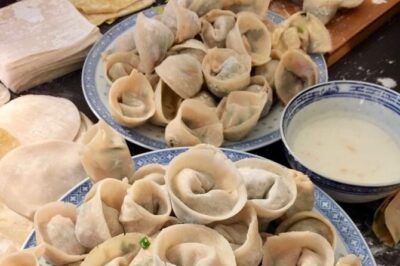
Organic Chinese Dumpling Class with Market Walk
Read our review →
Terracotta Army, Lunch, City Wall, Pagoda, Bazaar
Read our review →
Private Shanghai Shopping Tour with Local Shopping Guru
Read our review →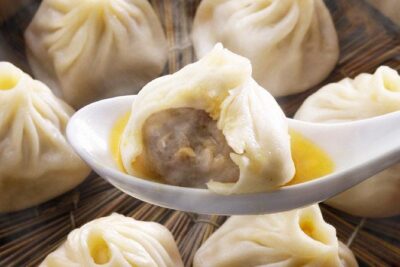
Organic Xiao Long Bao Soup Dumpling Class & Market Walk
Read our review →Where else this tour turns up