
Reviewed · MARKETS
Old Guangzhou Backstreet Alley Local Market Walking Private Tour
Guangzhou’s best stories hide off the main road. This private walking tour takes you through old neighborhoods, food and medicine markets, public parks, and local shopping streets, giving you a look at daily life beyond the city’s headline sights. I especially like the small-group format and the chance to move around by metro and bus instead of being sealed inside a tour vehicle.
I also like the way the route connects culture with ordinary life. You may see mahjong games, shuttlecock playing, Cantonese opera singing, neighborhood dancing, and people shopping for vegetables or herbs. The main drawback is the price: at $180 per person, this is a serious spend, especially since food, hotel drop-off, and any required attraction tickets are extra.
The tour can run from about three to ten hours, so it works best for visitors who want a flexible day with plenty of walking and conversation. Guide Damon receives particular praise for adjusting the day to match personal interests, adding useful local detail, and communicating clearly before the tour.
In This Review
- Key Points About This Guangzhou Walking Tour
- What This Tour Does Better Than a Standard Guangzhou Sightseeing Day
- Yong Qing Fang and the New Face of Old Neighborhoods
- XiGuan MinSuGuan and Cantonese Qilou Architecture
- Lychee Bay Scenic Area and Local Park Life
- Cantonese Opera Art Museum: Costumes, Makeup, and Music
- Shangxiajiu Pedestrian Street and Everyday Shopping
- Qingping Medicine Market and the Working Side of Guangzhou
- Public Transport Makes the Day More Local
- Is $180 Per Person Fair Value?
- Who Should Book This Experience?
- Final Verdict: A Strong Choice for Local Guangzhou
- FAQ
- How long does the Old Guangzhou Backstreet Alley tour last?
- Is hotel pickup included?
- Is this a private tour?
- Does the tour include public transportation?
- Are food and snacks included?
- Are entrance tickets included?
Key Points About This Guangzhou Walking Tour
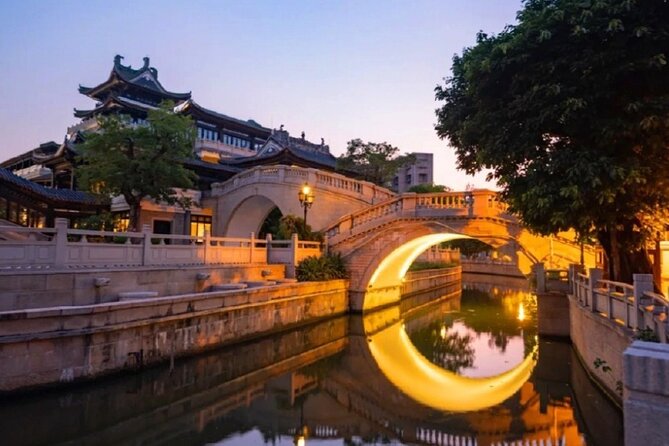
- Old neighborhood access: Walk through Yong Qing Fang, XiGuan residential streets, and other parts of old Guangzhou that feel more local than the city’s major sights.
- Six contrasting stops: The route combines restored lanes, traditional Qilou buildings, a public park, a Cantonese opera museum, a shopping street, and local markets.
- Private guidance: Only your group takes part, allowing the guide to adjust the pace and focus.
- Public transport included: Metro and bus costs are covered, giving you a practical look at how people get around Guangzhou.
- Culture in everyday form: Look for Cantonese opera singing, traditional instruments, mahjong, dancing, vegetables, herbs, spices, and ordinary neighborhood activity.
- Flexible duration: The experience may last about three hours or stretch toward ten, depending on the plan agreed for your group.
What This Tour Does Better Than a Standard Guangzhou Sightseeing Day
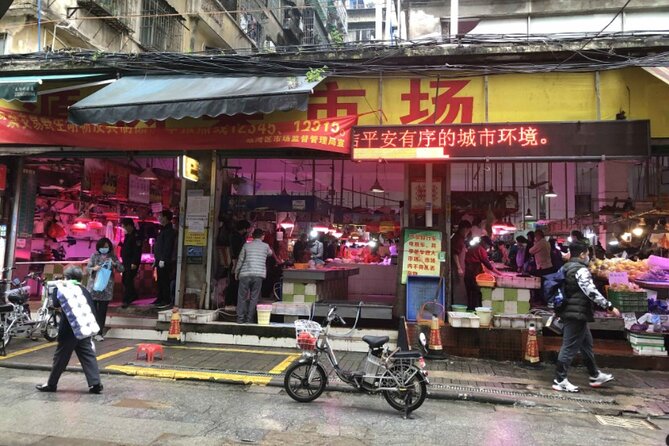
A standard city tour often moves from one famous building to another. This experience takes a different route. It asks you to notice doors, market stalls, small parks, shop signs, public games, and the way old buildings continue to serve modern residents.
That is the main value here. You are not simply looking at preserved architecture. You are watching old Guangzhou function as a living part of the city.
The private format matters. With no strangers in the group, you can stop to ask about a building, spend more time at a market, or move on when a particular stop does not interest you. The two available accounts of the tour describe Damon as easy to communicate with and good at shaping the day around individual interests. That flexibility is a real advantage over a fixed group route.
You should also expect a walking day, not a sightseeing bus day. Public transport costs are included, but you will still need to walk between sights, stations, shops, parks, and market areas. Comfortable shoes are more useful here than a polished outfit.
More Shopping Tours in Guangzhou
- Private Guangzhou Food Tour Michelin Restaurant&Local Food Market
★ 5.0 · 32 reviews - Translator Shopping Assistant and Business Tour Guide Service
★ 5.0 · 14 reviews - Flexible Private Guangzhou Shopping Tour with Local Shopping Guru
★ 5.0 · 9 reviews
Yong Qing Fang and the New Face of Old Neighborhoods
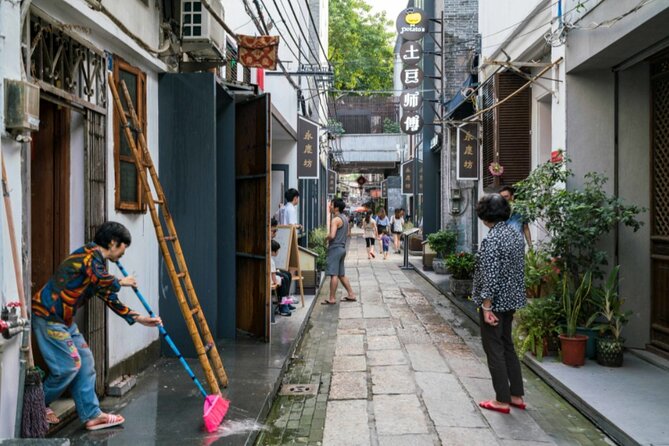
The first stop, Yong Qing Fang, shows how Guangzhou is updating older residential areas without wiping away every trace of the past. The idea is often described as micro modification: careful changes that add new shops and activity while keeping elements of the older neighborhood.
You can expect a mix of preserved buildings and newer commercial touches. This makes Yong Qing Fang a useful opening stop because it raises a question that runs through the whole tour: how does a large modern city keep older districts useful?
I like this stop for its balance. It is not presented as a frozen historic quarter. It is an old residential area that has been adjusted for current use. That gives you a more honest view of urban change.
The one caution is that this area has a stronger commercial side than some of the later stops. If you want only quiet lanes and untouched buildings, Yong Qing Fang may feel polished. Its purpose is to show the meeting point between preservation and business, not to recreate an old town exactly as it once was.
The planned time is about one hour, with no admission fee listed. That should give you enough time to walk through the area and ask questions without turning the stop into a rushed photo break.
XiGuan MinSuGuan and Cantonese Qilou Architecture
The next stop moves into a local neighborhood with traditional Cantonese Qilou buildings. These structures are known for combining residences with covered street-level spaces, creating a distinct urban style suited to both living and commerce.
You will also see large wooden sliding doors, once associated with better-off family homes. Details like these can be easy to miss when you pass through a neighborhood alone. A local guide can explain how the buildings were used and why certain architectural features mattered.
The scheduled visit is only about 30 minutes, so keep your expectations in check. This is a focused walk through a neighborhood, not a full architectural lecture or a long museum visit. The short timing may suit you if you want variety, though you might wish for more time if old buildings are your main interest.
This stop also helps you see the difference between a famous monument and a lived-in district. The architecture is important, but people still use the streets and buildings for everyday purposes. That mix gives the area more meaning than a row of empty facades.
Lychee Bay Scenic Area and Local Park Life
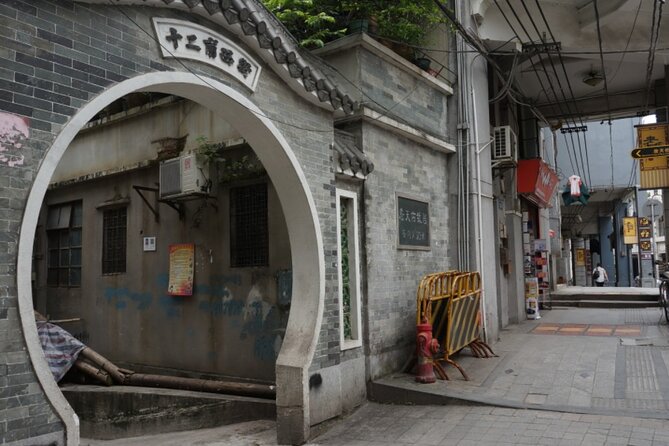
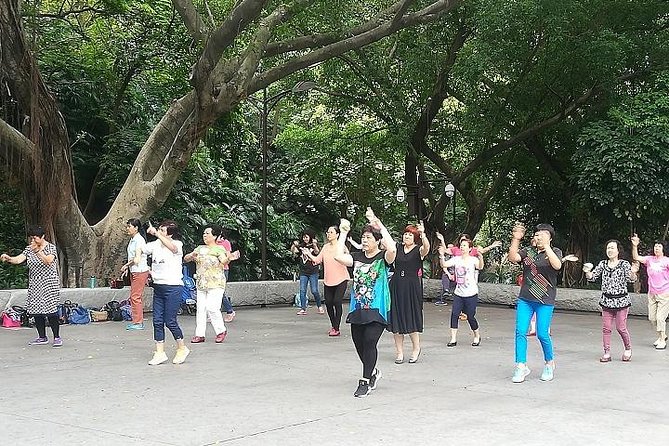
Lychee Bay Scenic Area provides a change of pace. It is a public park in old Guangzhou where local people gather to play traditional instruments, sing Cantonese opera, and spend time outdoors.
The appeal here is not a single grand attraction. It is the chance to watch social life unfold in a public space. You may see people using the park for music, performance, conversation, and leisure. The bridges and pavilions add a pleasant setting, but the people using the park are the real point.
I like this stop because it gives the tour a human rhythm. Markets show you what people buy. Residential streets show you where they live. The park shows you how they relax and spend time together.
The planned visit lasts about 30 minutes. That is enough for a look around, but it may feel brief if a performance or musical gathering catches your interest. Since activity in a public park can vary, you should treat the visit as a chance to observe local routines rather than a guaranteed scheduled show.
More Market Tours in Guangzhou:
- Private Guangzhou Business Tour to Visit Factory and Local Market
★ 5.0 · 3 reviews - Mini Group Xian Day Tour to Terracotta Army, City Wall, Pagoda and Muslim Bazaar
★ 5.0 · 1,320 reviews - Half-Day Chengdu Cooking Class with a Local Market Visit
★ 5.0 · 465 reviews - Shanghai Day Tour to Zhujiajiao Water Town, Yu Garden, Bazaar, Bund
★ 5.0 · 162 reviews
Cantonese Opera Art Museum: Costumes, Makeup, and Music
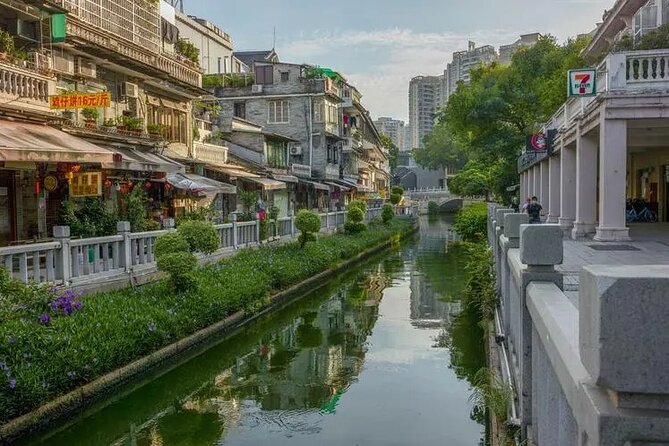
The Cantonese Opera Art Museum adds a cultural explanation to what you may see in the park. The museum covers costumes, facial makeup, traditional musical instruments, martial arts, and other parts of Cantonese opera.
This is one of the most useful stops for anyone unfamiliar with the art form. Cantonese opera is not just singing. It combines music, acting, movement, costume, makeup, and stylized combat. Seeing those parts presented together can help you understand the performances you might encounter elsewhere in Guangzhou.
The museum is blended into an attractive setting, according to the tour description, so the stop offers more than indoor displays. Still, the visit is planned for about 30 minutes. You will get an introduction, not a full study of opera traditions.
For me, the museum works best when paired with Lychee Bay. First you see local people practicing or enjoying Cantonese performance in a public setting. Then you get some background on the art itself. That pairing connects formal culture with ordinary city life.
The listed stops show no admission charge, but the tour terms note that attraction tickets, if needed, are not included for you or the guide. It is sensible to confirm the current ticket situation before the day begins.
Shangxiajiu Pedestrian Street and Everyday Shopping
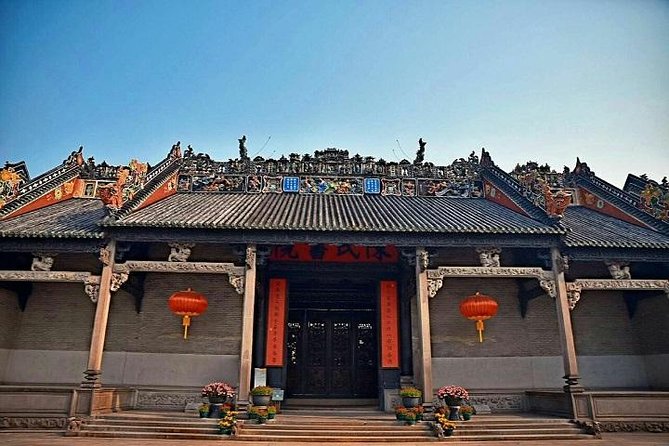
Shangxiajiu Pedestrian Street is described as a shopping street used by local people rather than a place aimed only at sightseeing. You can expect clothing, shoes, jewelry, snacks, street vendors, and typical Chinese decoration along the route.
This is a good place to watch how shopping fits into daily life. It is less about finding a single famous shop and more about seeing the mix of small businesses, food, clothing, and foot traffic that makes a neighborhood commercial street work.
The stop lasts around one hour. That gives you time to browse, ask about local products, and perhaps buy a snack if something catches your eye. Food is not included, so any tasting or purchases come from your own budget. The guide may help you understand what you are seeing, but you should not assume that food is part of the tour price.
A practical point: shopping streets can be noisy and crowded at times, even when they are not built mainly for international tourism. Stay close to your guide and keep your belongings secure. The private format should make it easier to pause at a shop or move through the street at your own pace.
Qingping Medicine Market and the Working Side of Guangzhou
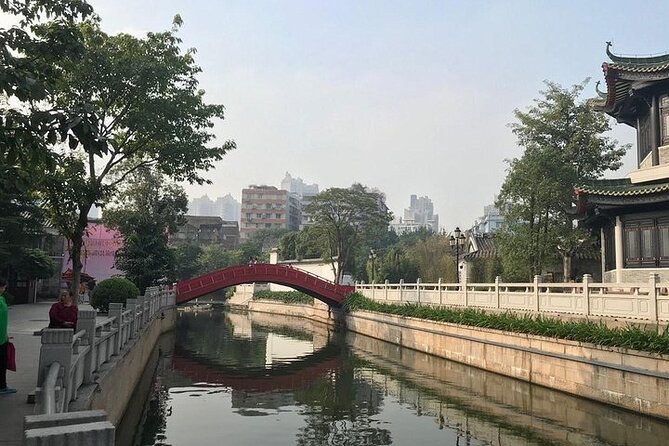
The final listed stop is Qingping Medicine Market, paired with a local grocery and vegetable market. This is where the tour most clearly turns toward the working side of the city.
You may see herbs, spices, vegetables, groceries, and the goods that support everyday cooking and traditional medicine. The variety matters because markets reveal what a city uses, values, and consumes in a way that a monument cannot.
Qingping is also one of Guangzhou’s wholesale markets. That means the experience may feel practical rather than decorative. You are looking at trade and supplies, not a display arranged for sightseeing.
The visit is planned for about 30 minutes. That is enough to walk through and get an overview, but not enough to study every stall or product. If markets are your top interest, tell Damon early. His ability to adjust the route is one of the strongest reasons to choose a private tour.
You should also be mindful of the setting. Grocery and medicine markets can have strong smells, unusual products, and narrow walking areas. That is part of the point, but it may not suit someone who prefers quiet museums and tidy viewpoints.
Public Transport Makes the Day More Local
Metro and bus tickets are included, and the guide escorts your group while you move around Guangzhou. That arrangement has two benefits. First, it keeps the tour connected to the city’s daily transport system. Second, it avoids the cost and distance limits of using a private vehicle for every short transfer.
You will need to be comfortable getting on and off public transport and walking through stations and streets. The description says the tour is near public transportation, and most people can take part, but it does not promise a step-free route or a vehicle for those who have trouble walking.
Hotel pickup is included. Hotel drop-off is not, so plan the end of your day. You may finish near a useful metro or shopping area, but the specific final arrangement should be confirmed with the guide.
The duration is listed as approximately three to ten hours. That is a very wide range, but it reflects the private nature of the experience. A short version could focus on the main stops. A longer version might allow more time for markets, meals, questions, or extra neighborhood walking. Food and snacks are optional and paid separately for both you and the guide if you choose to eat together.
Is $180 Per Person Fair Value?
At $180 per person, this tour is not a cheap introduction to Guangzhou. The price makes more sense if you value private attention, English guidance, hotel pickup, transport tickets, and a day shaped around your interests.
The price is easier to justify for a couple, family, or small group that wants a personal introduction to old Guangzhou. It is harder to justify if you mainly want to check off famous attractions, shop independently, or use the metro on your own.
The tour includes the guide, hotel pickup, and public transport costs. It does not include food, snacks, hotel drop-off, or attraction tickets if any are required. Those extra costs are not likely to transform the budget, but they should be part of your planning.
I would also consider the value of time. Guangzhou is a large city, and the guide can save you the effort of figuring out which old neighborhoods and markets to connect. If you have only one free day and want context along the way, that convenience has real worth.
Who Should Book This Experience?
I would recommend this tour to you if you want to see Guangzhou through neighborhoods rather than only through major attractions. It suits people who enjoy markets, architecture, public parks, local transport, and small observations of daily life.
It is also a good match if you have specific interests. Tell the guide if you care most about Cantonese opera, old buildings, food markets, shopping, or public life. The strongest feature of the tour is its ability to bend toward your priorities.
Families and small private groups may appreciate the flexible pace. So may first-time visitors who want an English-speaking guide to explain what they are seeing without joining a large coach group.
I would hesitate if you dislike walking, public transport, market smells, or unplanned street activity. I would also hesitate if your main goal is a polished sightseeing route with fixed times and guaranteed performances. The tour is about seeing real neighborhoods, and real neighborhoods can be untidy, noisy, or unpredictable.
Confirmation is provided within 48 hours, subject to availability. The experience is non-refundable and cannot be changed after booking, so check your schedule carefully before paying.
Final Verdict: A Strong Choice for Local Guangzhou
This is a thoughtful way to spend a day in Guangzhou if you want more than famous sights. The route links old buildings, public life, Cantonese opera, shopping, and markets into one clear picture of the city.
The best parts are the private format, the use of public transport, and the chance to adjust the day with Damon. The main weaknesses are the high per-person price, the extra cost of food and possible tickets, and the amount of walking involved.
Book it if authentic neighborhood life matters more to you than a long list of monuments. Skip it if you want a low-cost, fixed sightseeing route. For the right visitor, this tour offers something valuable: a guided look at how old Guangzhou still works today.
FAQ
How long does the Old Guangzhou Backstreet Alley tour last?
The experience lasts approximately three to ten hours. The private format allows the schedule and pace to be adjusted for your group.
Is hotel pickup included?
Yes. Hotel pickup is included, but hotel drop-off is not included.
Is this a private tour?
Yes. Only your group participates in the activity, and the tour is led by a local English-speaking guide.
Does the tour include public transportation?
Yes. Metro and bus costs are included. The guide escorts your group while you move around by public transport.
Are food and snacks included?
No. Local food or snacks are optional and are paid for separately by you and the guide if you choose to eat together.
Are entrance tickets included?
The listed stops have no admission fee shown, but any attraction tickets that are needed are not included for you or the guide.
More Walking Tours in Guangzhou
- 5-Hour Sai Kwan Walking Tour with Unique Food Tasting
★ 5.0 · 17 reviews - Guangzhou Walking Tour To Explore The Old Xiguan Area
★ 5.0 · 17 reviews - Beijing Hutong Walking Food and Beer Tour at Hidden Restaurants
★ 5.0 · 1,132 reviews - Private Beijing Walking Tour of the Forbidden City with 7 Options
★ 5.0 · 675 reviews
Just added in Guangzhou
- Big Buddha Mountain Martial Art Culture Countryside Private Tour★ 5.0 · 31 reviews
- Guangzhou travel shopping business customized tour★ 5.0 · 2 reviews
- Hong Kong One Day Private Tour from Guangzhou by Bullet Train★ 5.0 · 3 reviews
- Seven Star Crag and Dinghu Mountain private day tour from Guangzhou★ 5.0 · 5 reviews
- Seven Star Crags Karst Cave Mirror Lake Bird Islands Private Tour★ 5.0 · 30 reviews
- Private Tour to Gulong Canyon with Glass Bridge and Water Falls from Guangzhou★ 5.0 · 20 reviews
- Private Tour: Guangzhou City Sightseeing Including Yuexiu Park★ 3.5 · 3 reviews
- Guangzhou Self-Guided Tour with Private Car and Driver Service★ 5.0 · 2 reviews
Markets, compared.
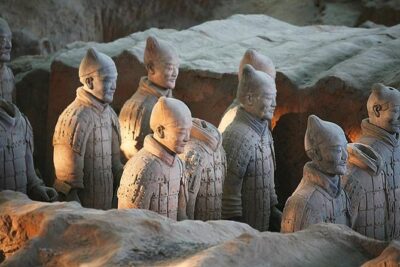
Mini Group Xian Day Tour to Terracotta Army, City Wall, Pagoda and Muslim Bazaar
Read our review →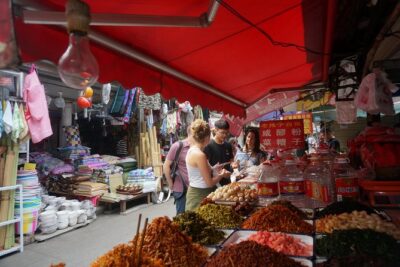
Half-Day Chengdu Cooking Class with a Local Market Visit
Read our review →
Shanghai Day Tour to Zhujiajiao Water Town, Yu Garden, Bazaar, Bund
Read our review →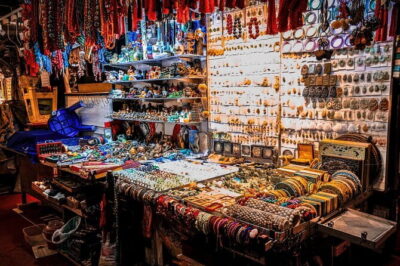
Kowloon Street Market & Food Culture Walking Tour
Read our review →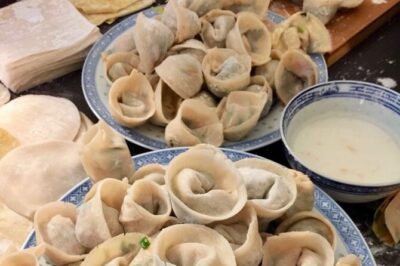
Organic Chinese Dumpling Class with Market Walk
Read our review →
Terracotta Army, Lunch, City Wall, Pagoda, Bazaar
Read our review →
Organic Xiao Long Bao Soup Dumpling Class & Market Walk
Read our review →
Lijiang Naxi Cuisine Cooking Class & Market Visit
Read our review →Where else this tour turns up