
Reviewed · HALF-DAY
Guangzhou: Textile Hub and Garment Factory Half-day Tour
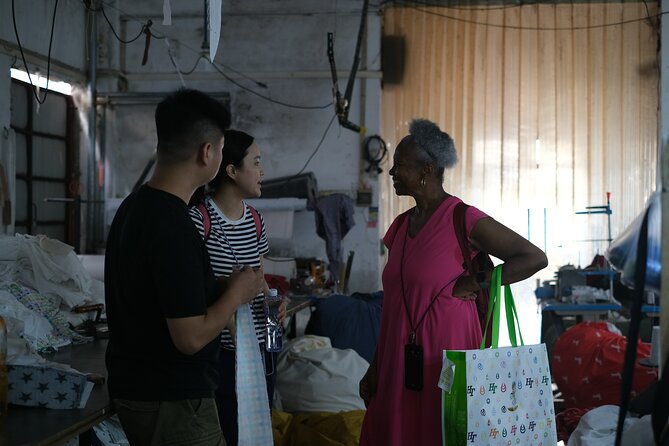
China Speed begins with a fabric stall. This Guangzhou tour shows how Zhongda Textile Hub links fabric sellers, workers, order takers, and garment makers into a fast-moving production system. I like the access to a working garment workshop and the chance to speak directly with people involved in orders. I also like that industry expert Cecilia explains the process rather than offering a standard sightseeing script.
The main drawback is the setting. Crowds, noise, and sudden changes are part of the experience, so this is not a calm walk through a polished showroom. The tour also lasts only about two and a half hours, which gives you a sharp introduction rather than enough time for serious sourcing or factory negotiations.
In This Review
- Key points to know before you go
- Why Zhongda Textile Hub matters
- Part one: one hour among fabric and accessory sellers
- Part two: one hour inside the urban village
- Part three: 30 minutes inside a garment workshop
- What makes the industry guide valuable
- The atmosphere: practical, crowded, and unpredictable
- Is $79 a fair price?
- Who will get the most from this experience?
- Booking, timing, and cancellation
- Should you book the Guangzhou textile tour?
- FAQ
- Where does the tour start?
- What time does the tour begin?
- How long does the experience last?
- Where does the tour end?
- Is transportation included?
- Is this a private tour?
- What happens if the weather is poor?
Key points to know before you go
- See the Zhongda textile cluster from the inside: Walk among fabric vendors, accessory sellers, and order takers in one of Guangzhou’s most concentrated textile areas.
- Connect markets with manufacturing: The tour explains how materials move from stalls to workers and workshops, helping you understand the speed behind small and fast orders.
- Enter an urban village: See the live-work environment behind the market and learn how flexible labor supports sudden changes in production.
- Visit a working garment workshop: Watch the final stage of production and learn how trust, coordination, and speed affect the finished product.
- Plan around a compact schedule: The tour starts at 10:00 a.m., runs for about 2 hours and 30 minutes, and returns to the meeting point.
- Know the atmosphere: This private activity suits sourcing professionals and curious industry-minded visitors more than anyone seeking a quiet, carefully controlled outing.
Why Zhongda Textile Hub matters
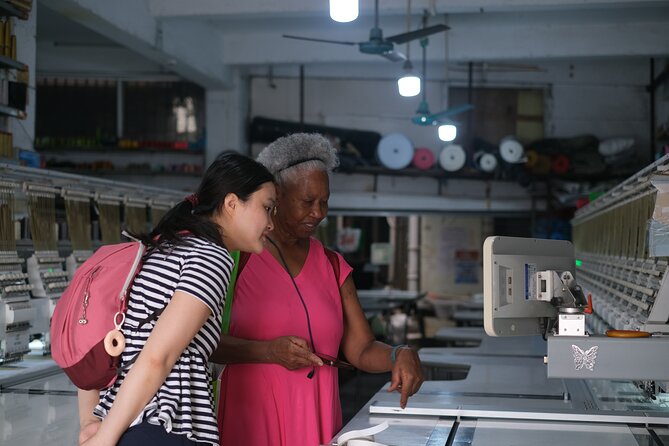
Guangzhou is a major manufacturing center, and Zhongda Textile Hub gives you a close view of how that system works at street level. This is not simply a fabric market where you browse colorful rolls and leave with a shopping bag. The point is to see the relationships connecting materials, labor, production, and orders.
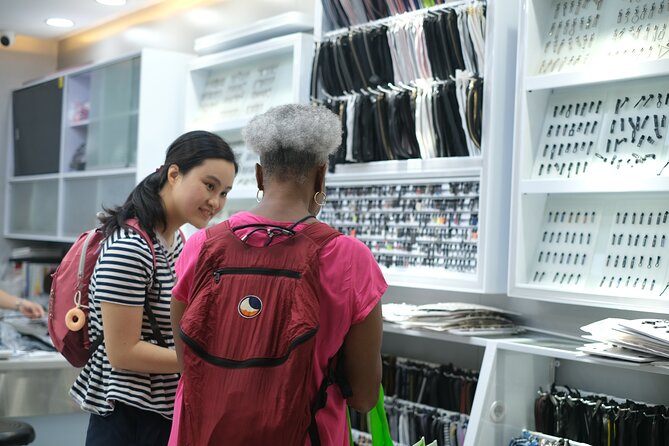
The market contains hundreds of fabric vendors and accessory sellers packed into a tight area. That density matters. A garment buyer does not need to search across a whole city for every part of a product. Fabric, trims, hardware, labor, and production contacts sit close together.
I find this useful because it explains China Speed in practical terms. Speed does not come only from large factories or advanced machines. It also comes from proximity. When people who handle different parts of production work near one another, they can respond quickly when an order changes.
The tour is aimed especially at people in fashion, manufacturing, supply chain, and retail. You do not need to be placing a large order to learn something, but you will get more from the experience if you already think about fabric quality, production timing, minimum orders, or supplier relationships.
A few more to weigh up in Guangzhou
- Guided Cycle Tour of Guangzhou
★ 5.0 · 164 reviews - Customised Private Guangzhou City Tour with Flexible Itinerary
★ 5.0 · 107 reviews - Gulong Gorge Skywalk Glass Bridge and Waterfall View Private Tour
★ 5.0 · 103 reviews
Part one: one hour among fabric and accessory sellers
The first hour takes place inside the Pearl River International Textile City Market, within the wider Zhongda textile area. Here, your guide helps you read the market as an industrial system instead of treating it as a shopping stop.
You can expect rows of stalls selling fabrics and related materials. The value is not only in seeing the products. It is in understanding how many small businesses operate beside one another and how that arrangement helps buyers compare options and move quickly.
An industry-focused guide can point out what a casual visitor might miss. You may learn how order takers connect buyers with production teams, how sellers fit into the larger chain, and why clusters like this can adjust faster than a single large company working alone.
Cecilia received especially strong praise for explaining textile manufacturing and answering questions about the process. That detail matters here. A guide who understands the trade can help translate a confusing market into something you can follow.
You should expect an active, crowded setting. The tour information specifically warns that conditions can be unpredictable. Stalls, people, and transactions create a working environment, not a museum display. Keep your attention on the guide and allow time for the group to pause while people work around you.
This section is most useful if you want to learn how sourcing begins. It can help you understand why a buyer may visit Guangzhou not just to inspect finished goods, but to find fabric and production connections in the same area.
The market visit is also a good reminder that speed has limits. Seeing many suppliers close together does not automatically mean every order will be simple. Quality, communication, and trust still matter, and the tour makes those links part of the story.
Part two: one hour inside the urban village
After the market, the group walks for a few minutes into the urban village behind it. This is one of the most distinctive parts of the experience because it moves you away from the commercial front and toward the human setting supporting it.
The urban village is described as a live-work area where thousands of people live and work. For a visitor interested in manufacturing, this helps explain how labor can adjust to changing demand. Workers are not shown as an abstract number in a supply chain. You see the setting where daily life and production exist close together.
That arrangement helps explain flexibility. Orders may change, deadlines may move, and production needs may rise or fall. A compact network of workers and small businesses can respond in ways that are different from a centralized factory system.
The walk also gives the tour a social side. You are not only looking at cloth and machines. You are seeing an urban environment shaped by work connected to the textile trade. The conditions may feel crowded or rough around the edges, so this part requires respect and awareness.
I would not treat the urban village as a photo stop. The useful question is how the area supports the market nearby. The short walk shows that the textile hub is more than a set of commercial buildings. It includes homes, workshops, workers, and informal connections.
There is also a practical limitation. The tour description does not promise extended conversations with residents or a detailed architectural visit. The purpose is to understand the labor system behind fast production. If you want a long cultural walk or a quiet neighborhood tour, this will feel too brief and too focused on manufacturing.
For buyers, though, this hour may be the clearest explanation of flexible labor in the whole experience. It shows why the phrase fast turnaround depends on people and place, not just equipment.
Part three: 30 minutes inside a garment workshop
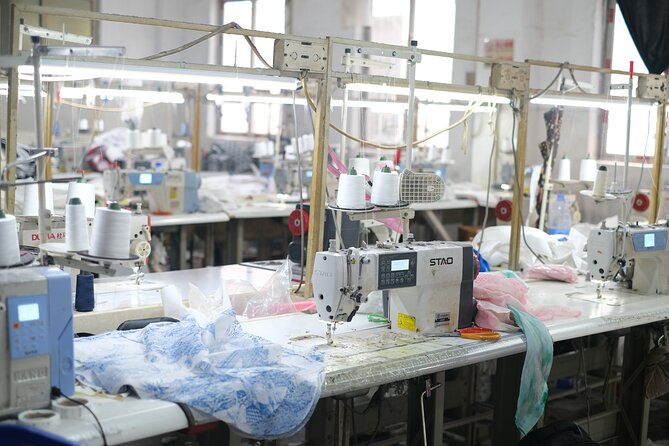
The final stop takes you into a working garment workshop. This is where the tour connects the market and the urban village to the finished product.
You can expect to see garment production in action and learn how a piece moves toward completion. The visit focuses on what the tour describes as invisible trust networks. These connections involve order takers, factory owners, workers, and buyers who must coordinate without one central authority directing every step.
That point is important for anyone who has only seen large, formal factories. The workshop visit presents a different model, one built around close relationships and rapid cooperation. A small production setting may be able to react quickly because decisions and communication remain close to the work.
The visit lasts about 30 minutes, so it is a compact look rather than a full technical inspection. You may not have time to examine every stage of sewing, finishing, quality control, or packing. The purpose is to understand the working relationship that makes rapid production possible.
I like the order of the three stops. You begin with materials, move into the setting that supports labor, and finish where garments are made. That sequence gives the tour a clear logic. You are not simply visiting three nearby places. You are following a chain from fabric to worker to finished clothing.
If you are considering a supplier relationship, keep your expectations realistic. This tour is an introduction to how the system functions, not a promise of a particular factory contract or production quote. You can ask questions and build contacts, but actual business decisions would require additional research and meetings.
A completely different sort of day out:
- Private Guangzhou Full Day City Tour with Old and New Highlights
★ 5.0 · 62 reviews - Reputable Private Guangzhou Tour Guide Service by Xaq
★ 5.0 · 60 reviews - Guangzhou Baiyun Airport Guangzhou Hotels:Private with Meet & Great Service
★ 5.0 · 50 reviews - Guangzhou Foodie Tour
★ 5.0 · 40 reviews
What makes the industry guide valuable
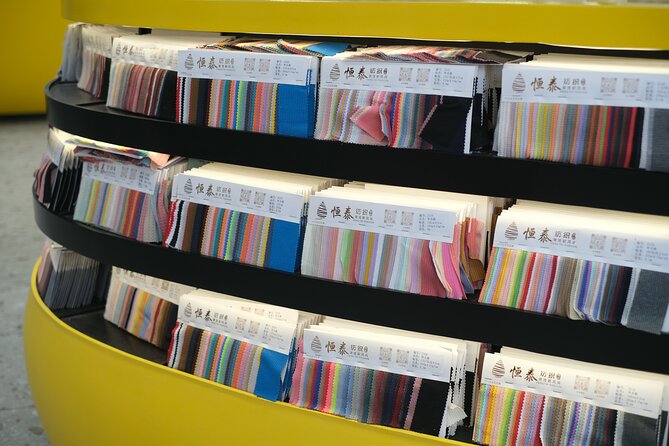
A regular city guide might tell you that Zhongda is a major textile area. An industry expert can explain why the market is arranged as it is and how the people inside it work together.
Cecilia is the guide named in the available feedback, and she was praised for offering detailed information about textile manufacturing, answering questions, and sharing practical insight. Those are the qualities that matter most on this particular tour.
You should use the guide actively. Ask about how materials connect to garment production, how order takers work with factories, and how small workshops respond to changing requests. The more specific your questions, the more useful the walk is likely to be.
The private format helps here. Only your group participates, so the conversation can stay focused on your interests. A sourcing professional can ask trade questions, while a general visitor can ask for a simpler explanation of the production chain.
Still, the private format does not make the surroundings private. You remain in a working market and workshop environment, with other people moving through the area. It gives you more control over the discussion, not a quiet or fully controlled setting.
The atmosphere: practical, crowded, and unpredictable
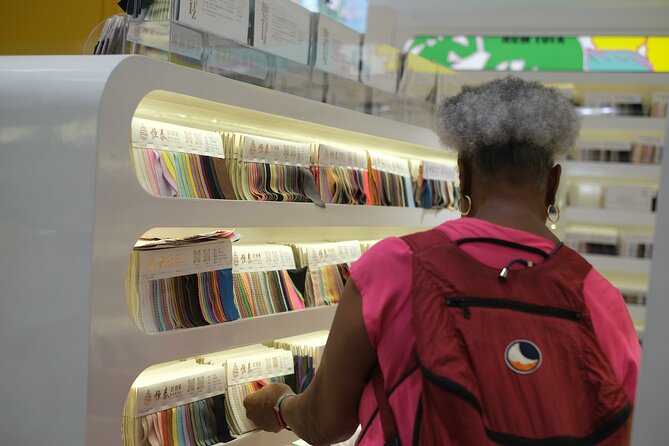
This tour asks you to accept a little disorder. The activity is specifically not recommended for people who prefer calm, structured conditions. That warning should guide your decision.
You will be moving through an active commercial area rather than a purpose-built visitor attraction. The market may feel tight, noisy, and fast. The urban village adds another layer of everyday activity. The workshop is a place of work, so the pace and access may change.
That is also the reason the experience can feel genuine. You are not watching a staged demonstration designed only for visitors. You are seeing businesses and workers in their normal setting, within the limits of a short private visit.
Wear practical clothing and shoes suitable for walking through crowded areas. The tour information does not list a special dress code or unusual physical requirements, and most people can participate, but comfort and awareness will help.
The route is near public transportation. Private transportation is not included, and the tour begins and ends at 462 Yi Jing Lu, Hai Zhu District, Guangzhou, Guangdong, postal code 510260. Check your route carefully before the 10:00 a.m. start, since a late arrival could reduce the time available for the three stops.
Is $79 a fair price?
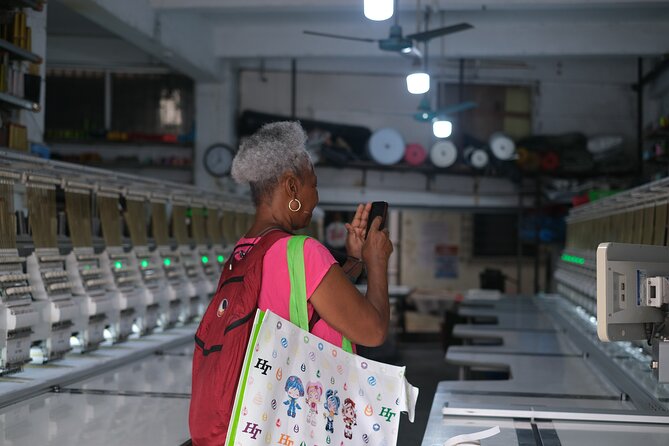
The tour costs $79 per person. Since the entrance fee is included and the activity is private, the price is easier to justify for a small professional group than for someone who simply wants to browse a fabric market.
You are paying for interpretation, access, and a planned connection between three parts of the production system. The market itself does not charge an admission fee, so the value depends on what the industry expert adds. If Cecilia or another guide helps you understand supplier relationships, labor flexibility, and workshop production, the cost can be worthwhile.
For a buyer, the tour may save time. A short introduction to the area can help you decide where to focus during later visits, fairs, or sourcing meetings. It may also give you a better vocabulary for asking questions.
For a casual tourist, the price may feel high for two and a half hours, especially since meals and private transportation are not included. You are not paying for a long sightseeing route or a polished attraction. You are paying for access to a working textile environment and an explanation of how it functions.
The best value comes when you treat the tour as an orientation session. It is less useful if you expect to leave with a finished garment, a confirmed order, or a full factory audit.
Who will get the most from this experience?
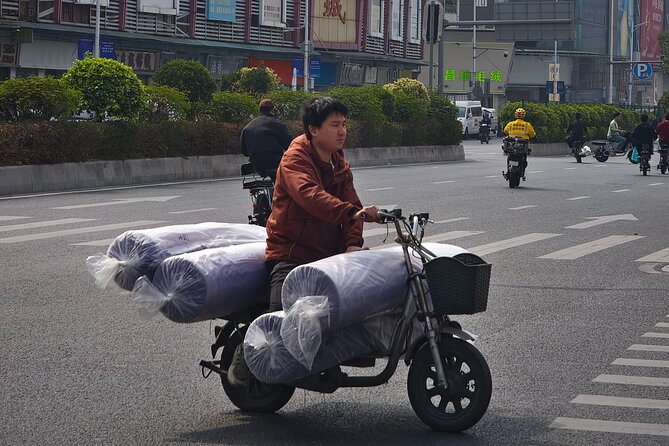
I would recommend this tour most strongly to:
- Fashion buyers who want to understand where fabrics and accessories fit into production.
- Retail and supply chain professionals studying fast, flexible manufacturing.
- Designers curious about how a garment moves from material selection to workshop production.
- Business visitors who have limited time in Guangzhou and want a focused introduction.
- General visitors who enjoy working environments and do not mind crowds or uncertainty.
You may want to skip it if you want peaceful streets, formal presentations, or a slow cultural tour. The experience is built around activity and access, not comfort.
It is also better for people who ask questions. The tour is short, and the guide cannot explain every part of Guangzhou’s textile trade in detail. Your own interests will shape how much you take away.
Booking, timing, and cancellation
The start time is 10:00 a.m., and the total duration is approximately 2 hours and 30 minutes. The route returns to the starting meeting point, which makes it easier to plan the rest of your day.
A mobile ticket is provided, and confirmation is received when you book. The activity is near public transportation, but you need to arrange your own way there because private transportation is not included. Meals are also not included.
You can cancel for a full refund up to 24 hours before the local start time. Changes made less than 24 hours ahead are not accepted, and the payment is not refunded for a late cancellation. The tour requires good weather, so poor conditions may lead to a different date or a full refund.
Should you book the Guangzhou textile tour?
Book it if you want a clear, direct look at how Guangzhou’s textile network works in real life. The strongest feature is the progression from fabric market to urban village to garment workshop, supported by an industry-focused guide such as Cecilia.
The tour is especially useful before a longer sourcing trip. It can help you understand the local system, prepare better questions, and recognize how close connections support fast orders. At $79, that orientation can be good value for professionals.
Skip it if you dislike crowds, unpredictable conditions, or working environments that are not arranged for visitors. This is a short, practical introduction, not a polished factory showcase.
For the right reader, it offers something more useful than a quick look at finished clothing: a working explanation of the people, places, and relationships behind Guangzhou’s fast-moving textile trade.
FAQ
Where does the tour start?
The tour starts at 462 Yi Jing Lu, Hai Zhu District, Guangzhou, Guangdong, China, postal code 510260.
What time does the tour begin?
The tour begins at 10:00 a.m.
How long does the experience last?
The experience lasts approximately 2 hours and 30 minutes.
Where does the tour end?
The activity ends back at the meeting point.
Is transportation included?
Private transportation is not included. The meeting point is near public transportation.
Is this a private tour?
Yes. Only your group participates in the activity.
What happens if the weather is poor?
The experience requires good weather. If poor weather causes a cancellation, you will be offered another date or a full refund.
Just added in Guangzhou
- Big Buddha Mountain Martial Art Culture Countryside Private Tour★ 5.0 · 31 reviews
- Guangzhou travel shopping business customized tour★ 5.0 · 2 reviews
- Hong Kong One Day Private Tour from Guangzhou by Bullet Train★ 5.0 · 3 reviews
- Seven Star Crag and Dinghu Mountain private day tour from Guangzhou★ 5.0 · 5 reviews
- Seven Star Crags Karst Cave Mirror Lake Bird Islands Private Tour★ 5.0 · 30 reviews
- Private Tour to Gulong Canyon with Glass Bridge and Water Falls from Guangzhou★ 5.0 · 20 reviews
- Private Tour: Guangzhou City Sightseeing Including Yuexiu Park★ 3.5 · 3 reviews
- Guangzhou Self-Guided Tour with Private Car and Driver Service★ 5.0 · 2 reviews
Half-Day, compared.
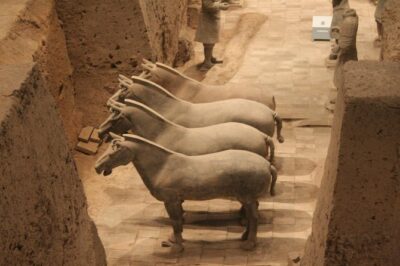
Half-Day Mini Group Xian Tour to Terracotta Warriors Museum
Read our review →
Half-Day Chengdu Cooking Class with a Local Market Visit
Read our review →
Private Half-Day Chengdu Panda Breeding Center Tour with Optional Volunteer
Read our review →
Half-Day Bike Tour of Shanghai Old Town with Food Tasting
Read our review →
Private Half-Day Tour of Xi’an Terracotta Warriors
Read our review →
Half-Day Private Zhujiajiao Water Town Tour with Boat Ride from Shanghai
Read our review →Where else this tour turns up