Reviewed · SHANGHAI TOURS
Afternoon Tea and Dessert Tour on the Huaihai Road in Shanghai
Tea and sweets reveal Shanghai’s softer side. I like this tour because it links three pleasures in one easy afternoon: mooncakes at two pastry shops, followed by a proper tea ceremony and a spread of Cantonese desserts. I also like the small-group format, capped at 10 people per booking, which gives the guide room to explain the teas and answer questions.
The main thing to consider is the price, $82 per person. That is more than you would spend simply buying a pastry and tea on your own, but the fee also covers the guide, tastings, the tea ceremony, and several desserts. You should also expect about three hours on foot, with no hotel pickup.
In This Review
- Five things to know before you book
- Why this food walk works in Shanghai
- Mooncakes on Huaihai Road
- The tea house ceremony near Xintiandi
- Cantonese desserts in the Former French Concession
- What the $82 price really covers
- Timing, walking, and practical details
- Who will enjoy this afternoon most
- Should you book the Huaihai Road tea tour?
- FAQ
- How long does the afternoon tea and dessert tour last?
- What time does the tour begin?
- Where does the tour start?
- Where does the tour finish?
- What foods are included?
- Which teas are included?
- Is hotel pickup included?
- How large is the group?
- Can I cancel for a refund?
Five things to know before you book
- Mooncakes come first: You visit two pastry shops on Huaihai Road and sample both savory and sweet styles of this famous Chinese pastry.
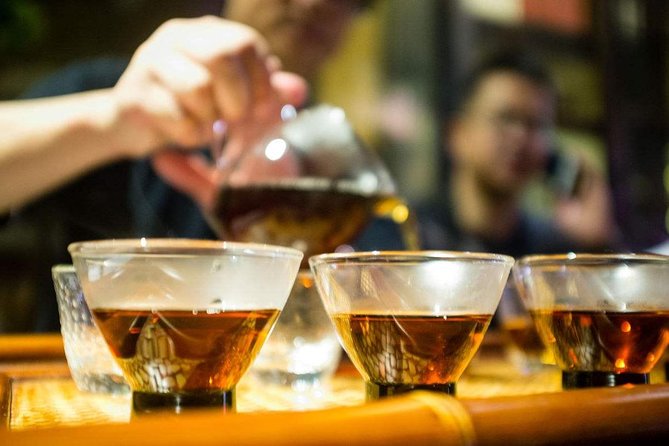
- The tea ceremony is the heart of the tour: You taste pu-erh, ginseng oolong, jasmine tea, and Fujian black tea while learning how water temperature, cups, and rinsing affect the drink.
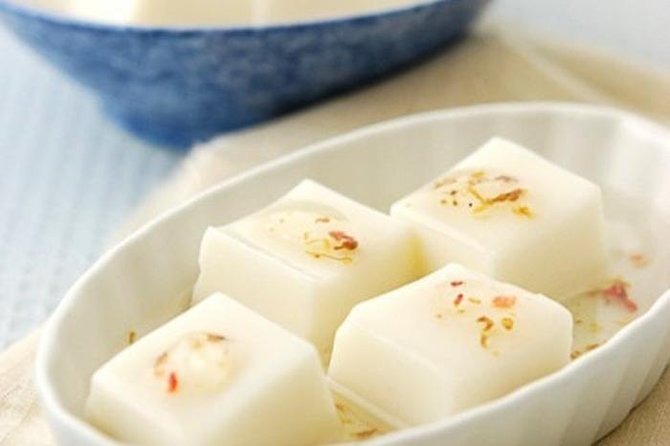
- Dessert goes well beyond cake: The final stop includes milk pudding with purple sticky rice, jellied mousse cake, papaya, mango purée, and almond tofu.
- The route covers three central areas: The afternoon begins on Huaihai Road, continues near Xintiandi, and finishes in the Former French Concession.
- The pace is gentle but not stationary: The tour lasts about three hours, with 45 minutes at the pastry shops, one hour at the tea house, and 45 minutes at the dessert restaurant.
- Guide quality matters here: Jim is specifically praised for his passion and clear explanations, while another small group enjoyed watching a tea master prepare several teas.
Why this food walk works in Shanghai
Shanghai has plenty of grand sights, but a short food tour can tell you things a landmark cannot. Tea and sweets offer a window into daily customs, family traditions, and regional tastes without asking you to spend half a day inside a museum.
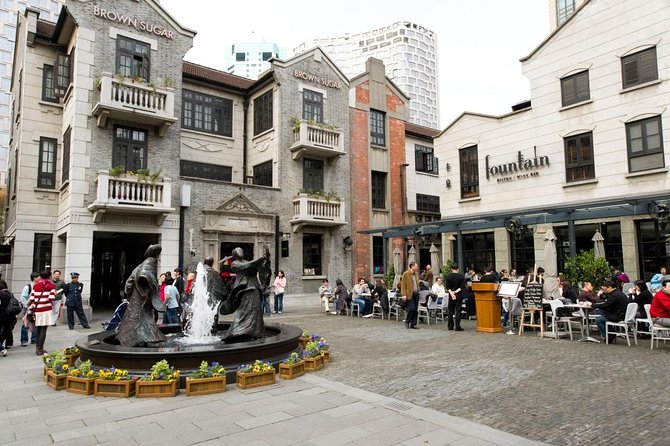
This experience stays in central Shanghai, using Huaihai Road as its opening scene. The road is known for shopping and food, so you get a sense of the city while moving between stops. The route then shifts toward Xintiandi and the Former French Concession, two areas that make a convenient setting for a relaxed afternoon.
The tour is not a full meal in the usual sense. It is a series of tastings, and the emphasis is on learning what you are eating and drinking. I like that balance. You are not simply handed a plate of sweets and sent on your way.
The afternoon starts at 2:00pm at 333 Huai Hai Zhong Lu in Huangpu District. From there, you walk with your guide and small group. Wear comfortable shoes, since the experience operates in all weather and includes several walking sections.
A few more to weigh up in Shanghai
- Authentic Local Food Tour in Central Shanghai
★ 5.0 · 1,382 reviews - Zhujiajiao Water Town and Shanghai City Private Day Tour
★ 5.0 · 1,016 reviews - Private Shanghai Full Day City Tour with Old and New Highlights
★ 5.0 · 995 reviews
Mooncakes on Huaihai Road
The first food stop takes about 45 minutes and includes two local pastry shops. This is a useful way to begin because mooncakes are more than a seasonal snack. Their round shape traditionally represents family reunion, and they are especially associated with the Mid-Autumn Festival.
You sample different fillings, including savory and sweet varieties. The pastry shell is usually compact and rich, so a few small samples can go a long way. The guide also explains how mooncakes are commonly served with tea, which prepares you for the next part of the afternoon.
The two-shop format is a real advantage. One bakery can give you a single view of the pastry, while two stops let you compare styles and fillings. You may find that one mooncake is soft and sweet, while another has a more savory profile. The point is not to identify one universal version, because there is no single mooncake experience.
This stop suits curious eaters who want context with their food. If you are only looking for a large lunch, though, the samples may not be enough. The tour is built around tasting several items rather than eating one substantial dish.
The area itself adds interest. Huaihai Road is a commercial street, so the walk between food stops helps you connect the pastries with modern Shanghai life. You are not tucked away in a cooking classroom. You are moving through one of the city’s central shopping and food districts.
The tea house ceremony near Xintiandi
The middle stop lasts about an hour and is the most distinctive part of the experience. At a tea house near the dessert shops, you sit down for a traditional tea ceremony and taste several varieties from China.
The selection includes pu-erh, ginseng oolong, jasmine tea, and jasmine and black tea from Fujian. That gives you a useful range of flavors and styles. Pu-erh can be earthy, oolong can be fragrant and layered, and jasmine tea brings a floral note. Fujian black tea provides another point of comparison.
The guide explains tea-drinking etiquette and the purpose of different cups. You also learn why water temperature changes depending on the tea. That detail matters. Tea is not simply a matter of pouring boiling water over dry leaves and waiting. Preparation changes the taste, and the ceremony gives you a chance to notice those differences.
One especially useful part of the experience is learning about rinsing and refilling. A small group of two people had the chance to watch a tea master prepare several kinds of tea, with flavors developing through repeated rinses and refills. That kind of demonstration can make the lesson easier to remember than a standard spoken explanation.
The tour also touches on tea’s long history in China and its growing popularity in the West during the 1800s. The historical detail is brief, but it gives the ritual some context. You begin to see the ceremony as a social custom, not just a polished way to serve a drink.
I would give this section the most weight when deciding if the tour suits you. If you already know a great deal about tea, some of the introduction may feel basic. If you are new to Chinese tea, the chance to taste several types while learning correct preparation is likely worth the time.
Guide quality is important here. Jim receives special praise for being passionate and informative, and for showing people experiences they might not have arranged on their own. Since the tea ceremony is the educational center of the tour, a guide who can explain the ritual clearly makes a real difference.
Cantonese desserts in the Former French Concession
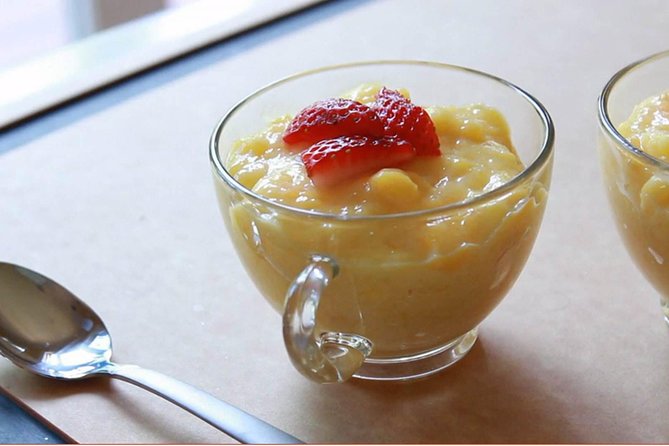
The final stop takes about 45 minutes at a Cantonese dessert restaurant. After the warm, fragrant teas, the mood changes to cool sweets and smooth textures.
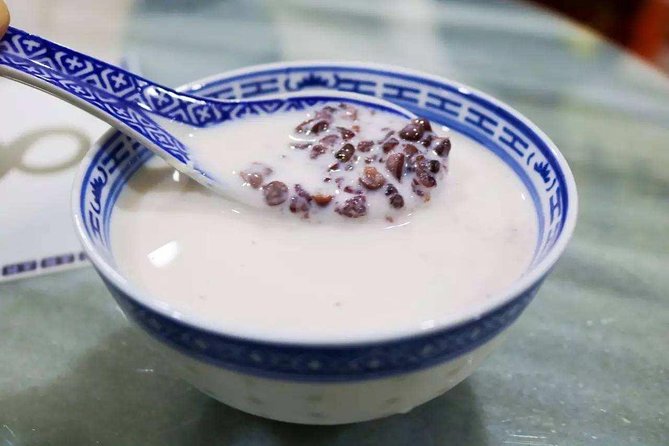
The tasting includes milk pudding with purple sticky rice, jellied mousse cake, papaya, mango purée, and almond tofu. These desserts give you more variety than a typical Western afternoon tea. You get creamy, fruity, jellied, and lightly chewy textures in the same sitting.
The milk pudding with purple sticky rice brings together a soft dairy base and sticky rice with a stronger texture. Mango purée offers a bright fruit flavor, while almond tofu is delicate and mild. Papaya adds another fresh element, and the mousse cake provides a more familiar cake-like finish.
I like this ending because it does not repeat the pastry stop. Mooncakes are dense and tied to a particular festival, while Cantonese desserts tend to be cooler, softer, and lighter. The contrast keeps the three-hour route from feeling like one long parade of similar sweets.
Still, anyone with a very sweet tooth should know that the tour is not designed around enormous portions. You taste a range of desserts rather than ordering a full dessert course for yourself. That is ideal for sampling, but less useful if you want one large signature dish.
The tour ends in the Former French Concession, in the Xuhui District area. Hotel drop-off is not included, so you will need to continue from there on your own. The end point is near public transportation, which makes it practical for continuing an evening in Shanghai.
A completely different sort of day out:
- Shanghai: Hop-on Hop-off Bus Ticket and Optional Attractions
★ 3.4 · 692 reviews - Shanghai Private Tour: Zhujiajiao Water Town and Boat Ride
★ 5.0 · 661 reviews - Eat Like A Local: Shanghai Night Food Tour
★ 5.0 · 616 reviews - Huangpu Night Cruise: Cozy Vibe & Modern Shanghai Glow
★ 4.3 · 520 reviews
What the $82 price really covers
At $82 per person, this is a guided tasting experience rather than a simple snack crawl. The price includes a local guide, mooncake tastings, the tea ceremony, afternoon tea, and the Cantonese desserts.
The value depends on how much explanation you want. If you are happy choosing pastries, tea, and sweets independently, you could spend less by visiting shops on your own. You would also need to find the locations, decide what to order, and work out the customs of tea preparation without assistance.
The tour earns its price through structure and access to several experiences in one afternoon. You move from pastry shops to a tea house and then to a dessert restaurant, with the guide connecting the foods to Chinese customs. That is useful in a city where menus may not always explain the difference between regional tea types or dessert textures.
The small group also helps. The advertised group size is 10 people or fewer, although the activity information gives a maximum of 15 participants overall. Ask about the expected group size if having a very intimate tea lesson is essential to you.
The published rating is five stars, with 100 percent recommending the experience, based on 19 ratings. Positive comments place the strongest emphasis on the guides, the tea instruction, and the chance to sample many sweets in a relaxed setting. Those are the parts I would use to justify the cost, rather than the amount of food alone.
Timing, walking, and practical details
The tour begins at 2:00pm and lasts roughly three hours. The schedule is well suited to a day when you want a late afternoon activity but still plan dinner afterward. Since the food comes in several tasting stops, you should not expect a full replacement for an evening meal.
You meet at 333 Huai Hai Zhong Lu in central Shanghai. The tour ends in the Former French Concession, not back at the starting point. Build that one-way route into your plans, especially if you have a timed reservation elsewhere.
Comfortable walking shoes are important. The tour operates in all weather, and the information specifically advises dressing appropriately. Rain or heat could affect how pleasant the walking sections feel, even though the tasting stops are indoors.
Children must be accompanied by an adult, and children under three can join free. Most people can participate, and service animals are allowed. If you have dietary requirements, provide them when booking, but do not assume every request can be accommodated unless the provider confirms it.
The tour is a mobile-ticket experience, and confirmation is issued at booking. Cancellation is free when made at least 24 hours before the 2:00pm start time. Changes or cancellations inside that 24-hour window are not accepted for a refund.
Who will enjoy this afternoon most
I would recommend this experience to you if you enjoy food with a cultural explanation attached. It is a good fit for first-time visitors to Shanghai who want an easy introduction to Chinese tea, or for returning visitors who have already seen the major sights and want a slower afternoon.
It also suits couples and small groups who prefer conversation and tasting over a large organized excursion. The tea ceremony benefits from a smaller setting, particularly if the guide or tea master demonstrates preparation and answers questions.
Families can join, provided children are accompanied by adults. The sweet focus may appeal to younger children, although the tea discussion and walking pace may be better suited to older children.
You may want to skip it if you dislike tea, avoid sweet foods, or need a substantial meal. The tour includes several tasting portions, but it is not a restaurant-hopping dinner. It may also be a poor match if you want hotel pickup, a private vehicle, or a tour that finishes where it begins.
Should you book the Huaihai Road tea tour?
Book it if you want a calm, well-organized introduction to Shanghai’s tea customs and traditional sweets. The strongest reasons are the tea ceremony, the range of desserts, and the chance to compare mooncakes at two pastry shops rather than buying one at random.
I would be especially inclined to book if Jim is leading your departure, since his clear enthusiasm and teaching style are a recurring strength. Even without a private group, the small format should give you more interaction than a large city tour.
At $82, the value is best for someone who cares about explanation and variety. If your priority is simply finding the cheapest mooncake or dessert, explore on your own. If you want to understand what is in front of you while walking through central Shanghai, this is a strong three-hour choice.
FAQ
How long does the afternoon tea and dessert tour last?
The tour lasts approximately three hours.
What time does the tour begin?
The tour begins at 2:00pm.
Where does the tour start?
The meeting point is 333 Huai Hai Zhong Lu, Huangpu District, Shanghai, China, 200021.
Where does the tour finish?
The tour ends in the Former French Concession in Xuhui District, Shanghai.
What foods are included?
The experience includes mooncake tastings at two pastry shops and Cantonese desserts such as milk pudding with purple sticky rice, jellied mousse cake, papaya, mango purée, and almond tofu.
Which teas are included?
The tea tasting can include pu-erh, ginseng oolong, jasmine tea, and jasmine and black tea from Fujian.
Is hotel pickup included?
No. Hotel pickup and drop-off are not included.
How large is the group?
The booking information states a maximum of 10 people per booking. The activity information also lists a maximum of 15 participants overall.
Can I cancel for a refund?
Yes. You can cancel at least 24 hours before the local start time for a full refund. Cancellations or changes made less than 24 hours before the start time are not accepted for a refund.
Just added in Shanghai
- Zhujiajiao with Private Customized Shanghai City Highlights★ 5.0 · 14 reviews
- Zhujiajiao Water Village: Private Tour from Shanghai★ 4.9 · 43 reviews
- Zhujiajiao & Shanghai:Private Day Tour Water Town to Skyline★ 5.0 · 12 reviews
- Zhujiajiao Water Town Private Tour with Night River Cruise★ 5.0 · 9 reviews
- Zhujiajiao & Shanghai:Small Group Tour Water Town to Skyline★ 5.0 · 4 reviews
- Yu Garden Shanghai Entry Tickets Booking And Trip★ 3.6 · 9 reviews
- Water Town Zhujiajiao Shanghai: Boat Ride,Sights,Bites&Sips★ 5.0 · 7 reviews
- shanghai Disney tour★ 5.0 · 12 reviews
Shanghai Tours, compared.
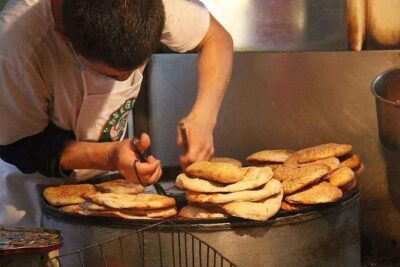
Authentic Local Food Tour in Central Shanghai
Read our review →
Zhujiajiao Water Town and Shanghai City Private Day Tour
Read our review →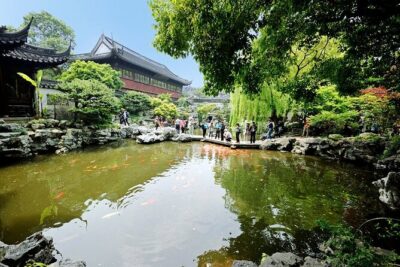
Private Shanghai Full Day City Tour with Old and New Highlights
Read our review →
Hop-on Hop-off Bus Ticket and Optional Attractions
Read our review →
Shanghai Private Tour: Zhujiajiao Water Town and Boat Ride
Read our review →

Huangpu Night Cruise: Cozy Vibe & Modern Shanghai Glow
Read our review →