
Reviewed · 3-HOUR EXPERIENCES
3-Hour Private Tour to Jewish Ghetto and Shanghai Bund
History can hide in ordinary streets. This private Shanghai tour links the Jewish Refugees Museum, former refugee neighborhoods, and the Bund’s grand Jewish-built landmarks. I like the clear three-part route and the way private transport saves time between districts. I also like that guides such as Mason, Sunny, Lea, Annie, and Aron have been praised for explaining the story in plain, engaging English.
The main trade-off is the tour’s short length. With about 80 minutes at the museum, an hour in the former Jewish quarter, and 50 minutes at the Bund, you get a strong introduction rather than a slow, highly detailed study. Downtown pickup is included, but hotels outside the central area, airports, Disney resorts, and cruise ports require a separate meeting arrangement or added fee.
In This Review
- Key points to know before booking
- Why this Jewish Shanghai tour is worth your time
- Starting at the Jewish Refugees Museum
- Walking through the former Jewish quarter
- Reading Jewish influence along the Bund
- How the private format changes the experience
- Is $90 per person good value?
- What guides add to the visit
- Practical advice for a smoother visit
- Who should book this tour?
- FAQ
- How long does the tour last?
- What locations are included?
- Is museum admission included?
- Is hotel pickup available?
- What if my hotel is outside downtown?
- Is transportation included between stops?
- Is hotel drop-off included?
- Can I choose a morning or afternoon departure?
- Is the tour private?
- What is the cancellation policy?
Key points to know before booking
- The Jewish Refugees Museum is the tour’s emotional center, with photographs, films, documents, and personal belongings connected to Shanghai’s wartime refugee community.
- The old neighborhood is still lived-in, so you see stone-gate houses and narrow lanes as part of a real residential district, not a polished historical set.
- The Bund adds a second story, showing how British-Jewish business families shaped some of Shanghai’s best-known Art Deco buildings.
- Private transport keeps the schedule practical, especially when moving between the museum area and the Bund.
- Guide quality matters here, and named guides including Mason, Sunny, Lea, Annie, and Aron have received especially warm praise for their clarity and patience.
- The $90 price buys a private experience, but the value is strongest for couples, families, and small groups who want personal explanation rather than a large coach tour.
Why this Jewish Shanghai tour is worth your time
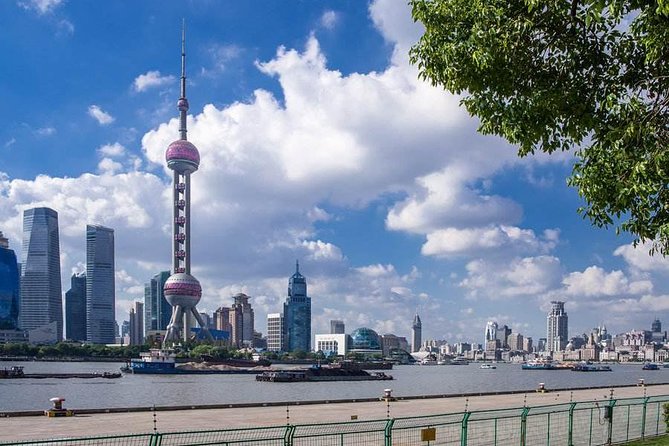
Shanghai is often introduced through skyscrapers, shopping streets, and the Bund skyline. This tour gives you a different route into the city, one shaped by migration, war, refuge, commerce, and ordinary domestic life.
The Jewish community in Shanghai was not a single group with one background. The tour focuses especially on European Jews who arrived during the 1930s and 1940s, including refugees escaping persecution and war. Your guide connects their arrival with the wider story of Shanghai, helping you see why this port city became a place of refuge.
That connection is the tour’s real strength. You are not simply looking at an old synagogue or a line of grand buildings. You are following how people arrived, where they lived, how organizations helped them, and how their presence became part of Shanghai’s urban story.
I would choose this tour early in a Shanghai visit if the subject interests you. It gives context to neighborhoods and buildings you might otherwise pass without noticing.
A few more to weigh up in Shanghai
- Authentic Local Food Tour in Central Shanghai
★ 5.0 · 1,382 reviews - Zhujiajiao Water Town and Shanghai City Private Day Tour
★ 5.0 · 1,016 reviews - Private Shanghai Full Day City Tour with Old and New Highlights
★ 5.0 · 995 reviews
Starting at the Jewish Refugees Museum
The tour begins with pickup from your Shanghai city hotel lobby, followed by a transfer to the Jewish Refugees Museum, located at the historic Ohel Moishe Synagogue. Admission is included, and you have roughly 80 minutes here.
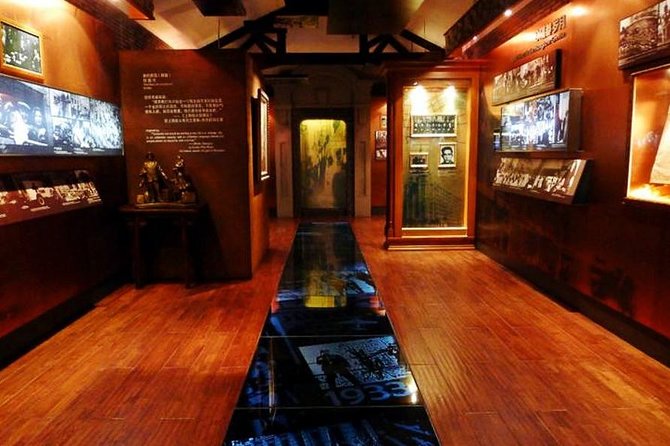
This is the most important stop. The museum uses photographs, films, documents, and personal items to put faces and details to a difficult period. The material helps explain not only who came to Shanghai, but also what daily life looked like for people rebuilding their lives far from home.
Several guides are praised for giving the museum visit a clear structure. Lea is noted for explaining the story in chronological order, which is useful because the subject spans migration before the Second World War, wartime refuge, and the later fate of the community. Sunny has been praised for explaining both the wartime movement of European Jews and the longer story of Jewish settlement in China.
Mason’s approach appears especially suited to people who prefer time to look carefully. He has been praised for allowing visitors to examine photographs and objects at their own pace while adding context when needed. That matters in a museum where a quick list of dates would miss the human side of the story.
You should allow yourself to pause. Names, family records, and personal artifacts can carry more weight than the larger historical displays. One person on the tour even found the name of a family friend among the refugees listed in the museum, a reminder that this subject can become unexpectedly personal.
The museum is well maintained and approachable, even if you are not a specialist in Jewish or Chinese history. One Spanish-speaking participant noted that the guide worked hard to make the English explanation clear. Still, the tour is conducted in English, so you should be comfortable following spoken explanations.
Walking through the former Jewish quarter
After the museum, you spend about an hour in the old Jewish neighborhood. The route includes the former Jewish park, the old JDC center, stone-gate houses, and local back streets.
This is where the tour becomes more physical and immediate. Museum displays tell you what happened. The neighborhood shows you the kind of setting where people lived it.
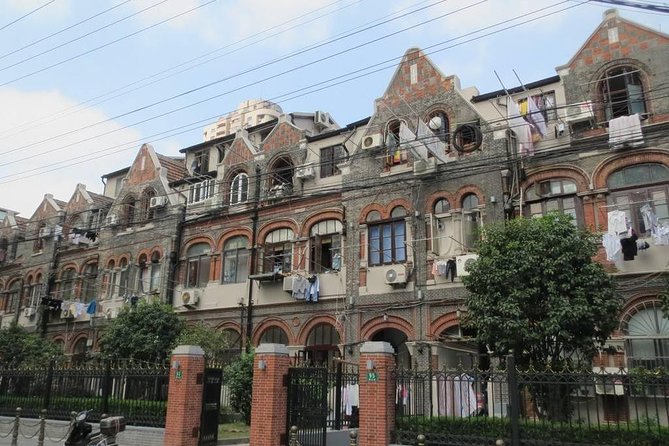
The stone-gate houses, known locally as shikumen, are an important visual contrast with other old Shanghai districts. The tour points out how these homes once housed thousands of refugees and Jewish residents. Their lanes and shared spaces help you picture crowded urban life rather than an isolated religious quarter.
The area is not presented as a fully restored historic district. You are walking through an existing neighborhood, and that is part of its value. The buildings are connected to present-day Shanghai, not sealed away from it.
One particularly memorable detail from the tour is the chance to see the former living quarters of a Jewish refugee. The family connected with the home still lives there today. This offers a rare link between the refugee story and ordinary housing conditions in Shanghai now.
You should be respectful in this section. People live in these buildings, and the narrow lanes are not a museum display. Keep your voice low, follow your guide’s instructions, and avoid treating private doorways as photo props.
The old district may be the most rewarding stop for anyone interested in architecture. A guide can point out how this part of Shanghai differs from more traditionally Chinese neighborhoods. The contrast makes the city’s layered past easier to read.
Reading Jewish influence along the Bund
The final stop lasts about 50 minutes and takes you to the Bund, Shanghai’s famous waterfront promenade. Here the focus shifts from refuge and neighborhood life to finance, commerce, and architecture.
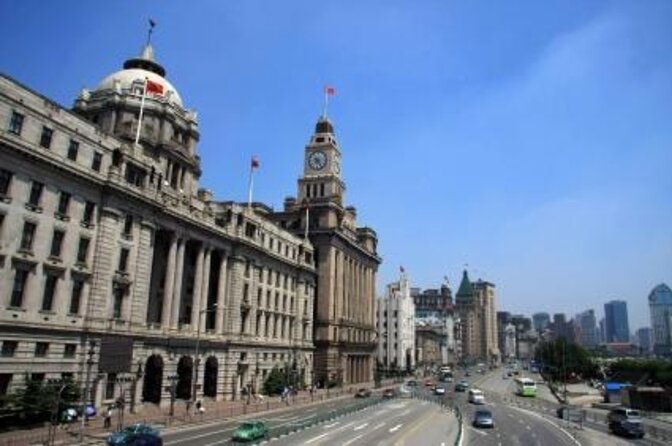
You visit the area around the Peace Hotel, associated with the Sassoon family, one of the prominent British-Jewish families connected with Shanghai’s commercial development. The building’s Art Deco design gives the guide a clear starting point for explaining the role of foreign business communities in the city.
The Bund can feel familiar if you have already seen its postcard views. This tour gives those façades more meaning. Instead of looking only at the skyline across the Huangpu River, you consider the people and firms behind the historic buildings on the waterfront.
The Bund stop is also a useful balance to the museum. The first half of the tour centers on refugees, hardship, and survival. The Bund shows another side of Jewish life in Shanghai, including wealth, investment, and international business. You get a broader picture of a community that was never defined by one experience alone.
Your guide may also add observations about Shanghai culture while you walk. One account particularly valued the chance to connect the Bund’s foreign-built architecture with the city’s wider story.
Do not expect a long architectural survey. Fifty minutes is enough to appreciate the Peace Hotel and the main waterfront setting, but not enough for an exhaustive tour of every Bund building. If you want a full architectural walk, you would need more time on your own.
A completely different sort of day out:
- Shanghai: Hop-on Hop-off Bus Ticket and Optional Attractions
★ 3.4 · 692 reviews - Shanghai Private Tour: Zhujiajiao Water Town and Boat Ride
★ 5.0 · 661 reviews - Eat Like A Local: Shanghai Night Food Tour
★ 5.0 · 616 reviews - Huangpu Night Cruise: Cozy Vibe & Modern Shanghai Glow
★ 4.3 · 520 reviews
How the private format changes the experience
This is a private tour, so only your group participates. That changes the pace in useful ways. You can ask a question about a family name, stop longer at a photograph, or request a clearer explanation without holding up a bus full of people.
The tour is designed for groups of one to four people using a local premium Uber. Groups larger than four are provided with an air-conditioned minivan. This is not luxury transport in the grand sense, but it is a practical way to connect two separated areas of Shanghai without arranging taxis yourself.
Hotel pickup is offered for hotels in downtown Shanghai. If your hotel is in areas such as Jiading, Songjiang, Qingpu, Jinqiao, or Chuansha in Pudong, pickup is not included. You can instead receive instructions for meeting downtown.
Hotel drop-off is not included. That detail matters because you should plan what comes next, especially if you have dinner reservations, a train departure, or an evening activity. The tour ends at the final stop, and you will need to arrange your onward transport.
Morning and afternoon departures are available. I would choose based on your wider day rather than assuming one departure is always better. The museum is the fixed heart of the visit, while the Bund works well as a later city stop.
Is $90 per person good value?
At $90 per person, this is not the cheapest way to see the Jewish Refugees Museum. You are paying for a private guide, included museum admission, hotel pickup within the downtown area, and transport between the main locations.
For one person, the price may feel high compared with visiting the museum independently. You would lose the guide’s chronology, neighborhood interpretation, and Bund connection, but you would spend less. The value improves when two or more people share the private service.
For couples and families, I think the price is reasonable if the subject is a real priority. The tour saves you from piecing together several locations across Shanghai and gives you a person who can explain why they belong together.
Group discounts are available, though the exact reduction is not specified. Larger parties also receive minivan transport, which can make the arrangement more convenient than coordinating separate rides.
The strongest value is educational rather than sightseeing-based. If you only want major Shanghai landmarks, the Jewish theme may not justify the cost. If you want a focused story that most standard city tours skip, the private format earns its price.
What guides add to the visit
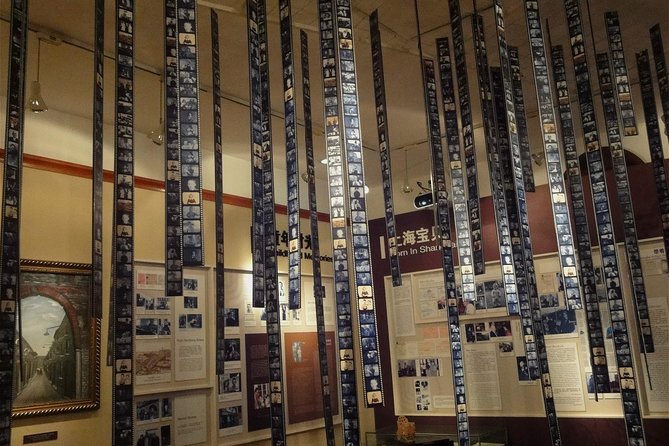
This tour depends heavily on the person leading it. A weak explanation would reduce the museum to captions and the Bund to pretty façades. The available guide feedback points to a strong record from several named guides.
Mason is repeatedly praised for clear explanations, a comfortable pace, and strong familiarity with the museum. He also appears flexible about letting people examine the exhibits without rushing.
Sunny is described as especially effective at explaining the connection between Jewish refugee migration and Chinese support during the war. Lea is praised for a well-ordered account, while Annie is noted for an engaging approach to both the Jewish quarter and the Bund.
Aron is described as prepared, kind, and detailed when explaining Jewish history in Shanghai. Ruby is praised for making the city tour fun and enjoyable.
You cannot request a specific guide based on the information provided, so I would focus on the operator’s ability to match a professional English-speaking guide to your group. The 99 percent recommendation rate and 5.0 rating from 69 reviews suggest a reliable service, though any private tour can still vary with the individual guide and the day’s conditions.
Practical advice for a smoother visit
Wear shoes suitable for walking on older neighborhood streets. The tour includes back lanes and outdoor stops, and it operates in all weather, so dress for the forecast.
Bring water and keep your schedule flexible. The stated duration is about two and a half to three hours, but traffic, museum pace, and questions can affect the exact timing.
If you have a family connection to Shanghai’s Jewish community, prepare names or dates before you go. The museum’s records and personal material may be more meaningful when you know what to look for.
Children must be accompanied by an adult. Most people can participate, and the route is near public transportation, but the listing does not provide detailed accessibility information. If anyone in your group has mobility needs, ask the operator before booking.
Confirmation is sent within 48 hours, subject to availability. Free cancellation is available when you cancel at least 24 hours before the local start time. Changes or cancellations inside that window are not accepted for a refund.
Who should book this tour?
I would recommend it to history-minded visitors, people with Jewish family connections, architecture fans, and anyone who wants a side of Shanghai beyond the usual skyline stops.
It also suits first-time visitors who prefer a private introduction. The guide can connect the museum, residential lanes, and Bund buildings in one sitting, giving you a useful framework for later independent exploring.
I would think twice if you have only a short stop in Shanghai and want to focus on the city’s headline attractions. The tour is specialized, and its subject takes up most of your sightseeing window.
Book this tour if you want the stories behind the buildings, not only photographs of them. The museum is the key reason to go, while the former neighborhood and Bund make the visit feel like a complete city lesson rather than a single museum appointment.
FAQ
How long does the tour last?
The experience lasts approximately two hours and 30 minutes to three hours.
What locations are included?
The tour visits the Jewish Refugees Museum at Ohel Moishe Synagogue, the former Jewish neighborhood, and the Bund, including the area around the Peace Hotel.
Is museum admission included?
Yes. Admission to the Jewish Refugees Museum and the Jewish ghetto area is included.
Is hotel pickup available?
Yes, pickup is available from hotels located in downtown Shanghai.
What if my hotel is outside downtown?
The guide can provide instructions for meeting at a downtown location. Pickup is not included for several outlying areas, including Jiading, Songjiang, Qingpu, Jinqiao, and Chuansha in Pudong.
Is transportation included between stops?
Yes. Groups of one to four people travel by local premium Uber. Groups larger than four receive an air-conditioned minivan.
Is hotel drop-off included?
No. Hotel drop-off is not included.
Can I choose a morning or afternoon departure?
Yes. The tour offers flexible morning and afternoon departure choices.
Is the tour private?
Yes. Only your group participates in the activity.
What is the cancellation policy?
You can cancel for a full refund up to 24 hours before the experience start time. Cancellations or changes made less than 24 hours before the start are not accepted for a refund.
Just added in Shanghai
- Suzhou Private Guided Day Trip from Shanghai by Bullet Train★ 5.0 · 46 reviews
- Suzhou and Zhujiajiao Private Guided Day Trip from Shanghai★ 5.0 · 27 reviews
- Shanghai: Zhujiajiao Water Town with Calligraphy Experience★ 5.0 · 17 reviews
- Shanghai:Wing Chun Kung Fu in Shanghai’s Beautiful Park★ 5.0 · 2 reviews
- Shanghai:Old Town, Yu Garden, Zhujiajiao Water Town Bus Tour★ 4.7 · 16 reviews
- Shanghai: Yu/Yuyuan Garden Entry Ticket–E ticket★ 4.4 · 24 reviews
- Shanghai: Yuyuan, City God Temple Old City Tour-Tip Based★ 5.0 · 10 reviews
- Shanghai: Zhujiajiao Water Town Private Tour with Boat Ride★ 5.0 · 2 reviews
3-Hour Experiences, compared.

3-Hour Private Night Tour: Beijing Foodie Experience
Read our review →
3-Hour Shanghai Yu Garden &Old Town Private Tour with Tea Tasting
Read our review →

3-hour Morning/Afternoon Tea Tasting on Maliandao Street & Dimsum
Read our review →
3-Hour Private Tour: Amazing Beijing City Highlights
Read our review →
Summer Palace 3 Hours Guided Tour with Entry Ticket
Read our review →Where else this tour turns up